Panel Work That Needs Accuracy Every Time
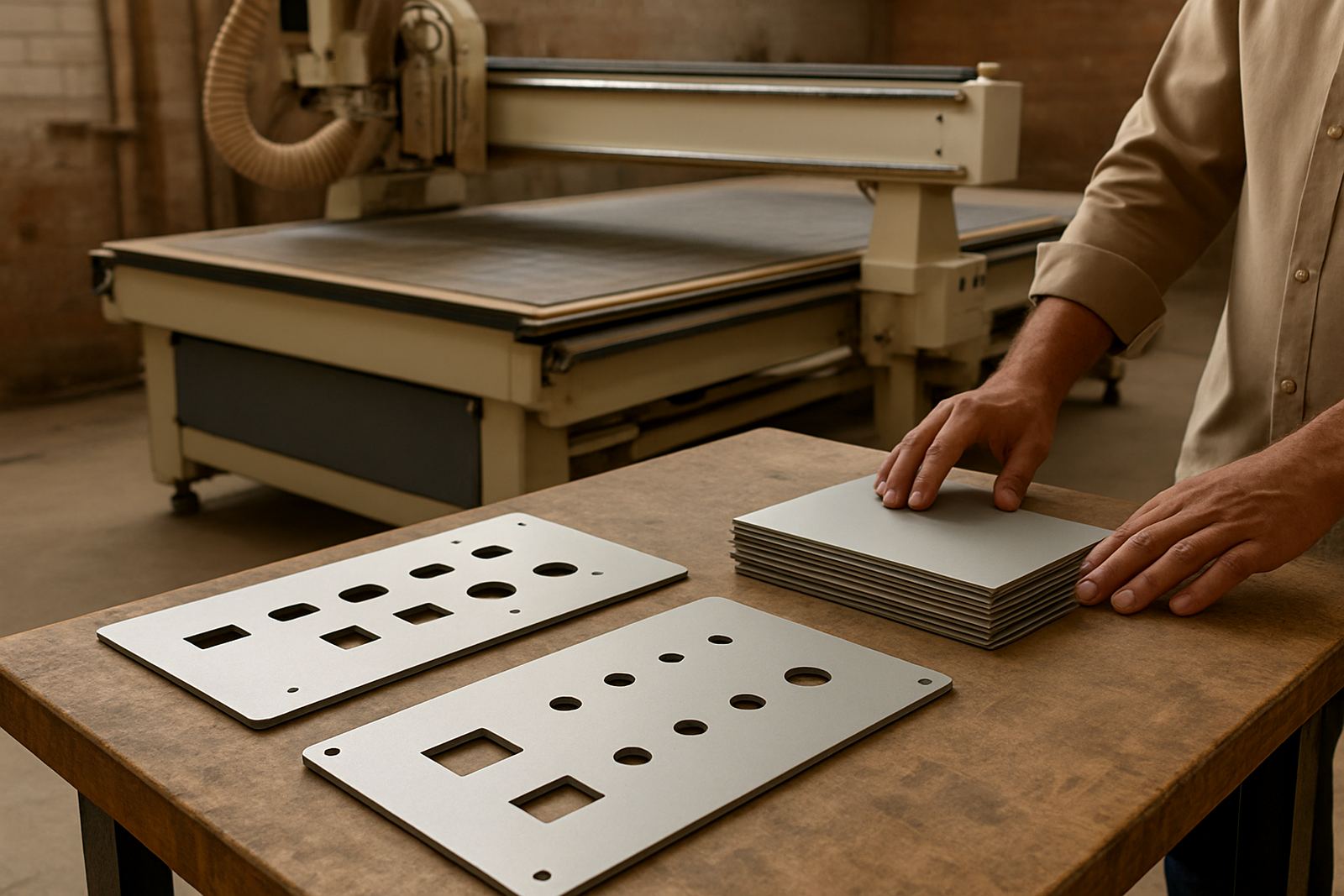
Instrument panels usually mix cut-outs, pockets, drilled holes and engraved legends in one job. That means the machine has to hold position well, keep corners crisp and finish edges clean enough for fitting switches, metres and displays without hand filing. For fabrication teams in Johannesburg, Germiston, Pretoria and further afield, the biggest issue is not just cutting a panel once, it is cutting the same panel twenty or fifty times with the same fit.
MultiCAM routers are used for aluminium composite, acrylic, PVC, polycarbonate, phenolic board and light gauge aluminium, depending on the application. For control rooms, plant monitoring boards, machine control faces and custom switch panels, the aim is simple: make the opening right the first time and keep the engraving legible after cleaning and handling.
- Clean cut-outs for switches, indicator lights and displays
- Repeat hole patterns across many identical panels
- Engraved text, symbols and numbering that stay readable
- Controlled nesting to reduce scrap from costly sheet stock
Typical Machine Setups For Panel Shops
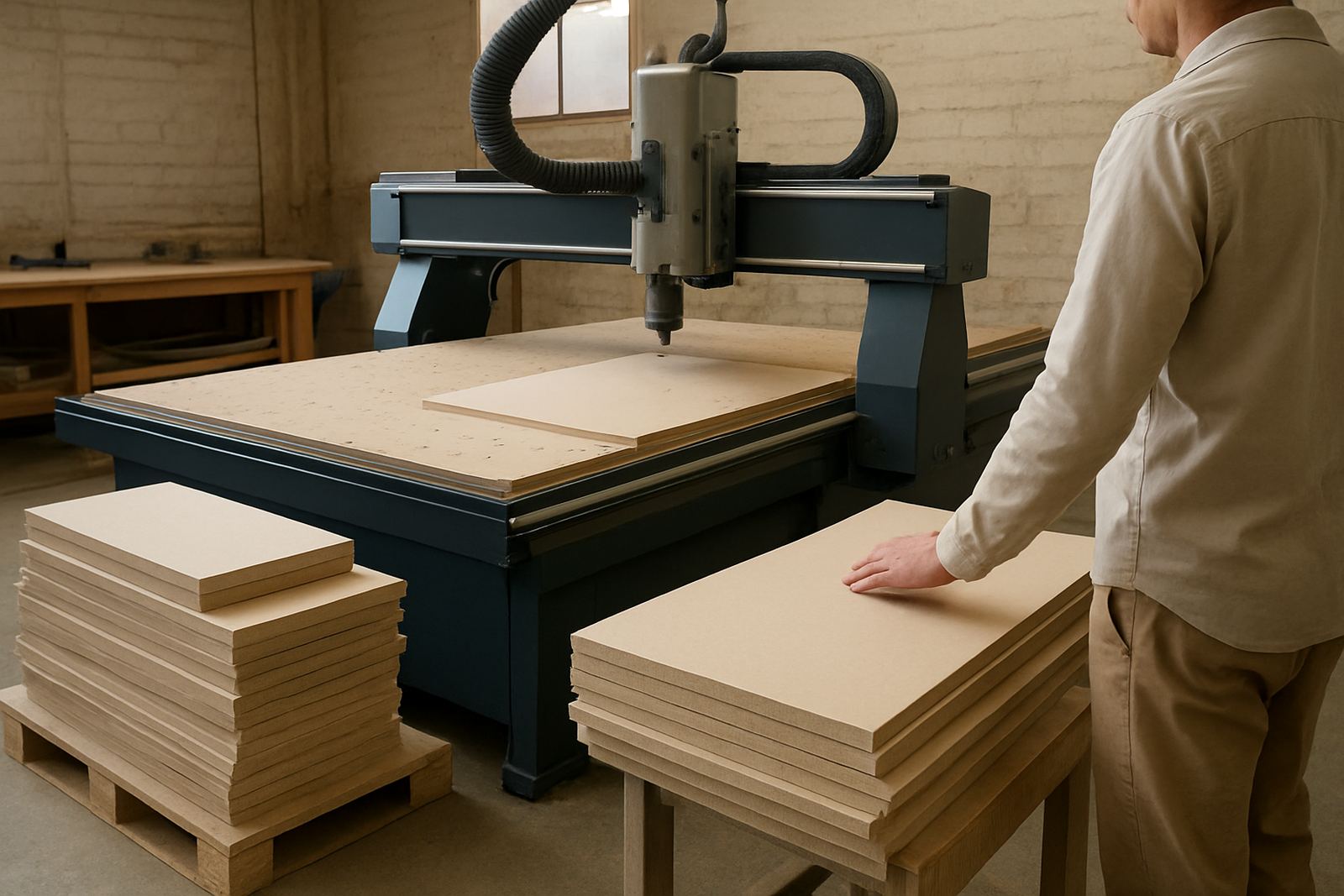
A good panel shop does not always need the largest router in the room. The right choice depends on sheet size, production volume and the material mix. Smaller workshops often start with an entry router and a proper vacuum table. Larger plants look at faster spindles, tool changing, better dust extraction and safer loading for bigger sheets. In humid coastal areas like Durban North and Cape Town North, vacuum stability and material storage matter a lot because warped board and damp sheets can affect cut quality.
For instrument panels, the common setup includes a flat table, a suitable spindle, dust control and a controller that is easy for operators to learn. If the work includes aluminium front plates or thick plastics, tooling needs to be selected carefully so the finish stays clean and chatter is kept down. For teams running day shifts and load-shedding interruptions, controller backup routines and restart habits are worth sorting out early.
- Entry router with vacuum table for lower volume panel work
- Production router with automatic tool change for mixed jobs
- Dust extraction and table sealing for plastics and board
- Power protection and clean shutdown procedure for outages
MultiCAM also advises on operator-friendly setup so the machine is not over-specified for the shop or under-specified for the work.
Layout Planning Before The First Sheet Is Loaded
Good panel routing starts at the drawing stage. Hole sizes, mounting centres, engraving depth and sheet grain all need to be checked before the program goes to the machine. If a panel will be installed into a cabinet, rack or enclosure, the cut list should reflect the real fitting allowance, not just the CAD number on screen. A 0.2 mm or 0.5 mm difference can be enough to affect a tight push fit on plastic or painted aluminium.
Plan the nesting with maintenance in mind too. Keep common tool sizes together, leave room for tabs where needed, and decide which edges will be visible after installation. If a panel has a brushed or coated face, make sure the spoilboard and holding method do not mark it. For repeat production, save machine settings, tool offsets and backup files so the next run is not starting from scratch.
- Confirm the final hole sizes against the actual components
- Allow for engraving depth that remains visible after finishing
- Use nested layouts that reduce offcut waste without crowding parts
- Store controller backups and tool records for repeat jobs
Common Mistakes That Cost Time And Sheet Material
The most common mistake is treating panel work like general cutting. Instrument panels need tighter process control because the parts must fit around hardware, not just look neat on the bench. Another issue is poor dust control on plastics, which can leave edge melt or dirty cut faces. If the tooling is blunt, the operator will often slow the feed too much and the finish gets worse instead of better.
Another problem is ignoring vacuum leakage. Small leaks on the table can lift thin sheets, especially around empty areas in nested layouts. On busy sites in Germiston or Midrand, this leads to random movement and wasted parts. Maintenance plans should include spindle service, vacuum leak checks and dust system balancing so the machine keeps producing instead of stopping for avoidable faults.
- Using the wrong tool for acrylic, PVC or aluminium plate
- Leaving too little holding area around small panel sections
- Skipping test cuts before a full production batch
- Running without clean extraction and then chasing edge defects
For many shops the real cost is not the machine rate, it is the time lost remaking a panel that should have fitted first time.
Budget Ranges For South African Panel Production
Budget depends on panel size, material range and how much automation the shop needs. A basic entry router for light panel work can start around R350,000 to R650,000, depending on table size, spindle configuration and dust handling. Mid-range production machines for regular instrument panel output often sit between R700,000 and R1.5 million. Higher output cells with better automation, stronger vacuum systems and operator assistance can move beyond that.
It also helps to budget for tooling, extraction, training and relocation. A low purchase price can become expensive if the table is under-sized or the operator needs too much hand finishing. MultiCAM supplies practical guidance on machine selection, tooling setup and commissioning so the workshop can match the machine to the actual job list. Installation and support are handled from Germiston with service coverage across South Africa, including Johannesburg East, Midrand Service, Pretoria East, Durban North and Cape Town North.
For panel makers, the goal is steady output and fewer rejects. That usually means choosing the machine that fits the parts, not the one that looks biggest on paper.
What MultiCAM Can Set Up For Panel Makers
MultiCAM works with fabricators, sign shops and furniture makers who need a practical CNC setup rather than theory. For instrument panels, that can include machine installation, commissioning, preventive maintenance, spindle service, machine relocation and operator training. If the shop is moving into cleaner repeat production, the team can also help with controller backups, tooling setup and dust system balancing.
The aim is to keep the process clear from sheet loading to finished part. Panel makers want straight answers on cutter choice, hold-down method, cut sequence and expected finish. That is the sort of guidance the Germiston base provides, with support from Marius Johannes van der Merwe and the team including Lerato Nkosi, Stefan Naude, Lesedi Ntanzi, Farieda Adams, Mpho Mtshali and Chantel Naidoo.
If your workshop is cutting instrument panels and needs cleaner openings, better nesting and more predictable turnaround, MultiCAM can help you plan the right setup for South African conditions.