Pattern work that must stay true from one piece to the next
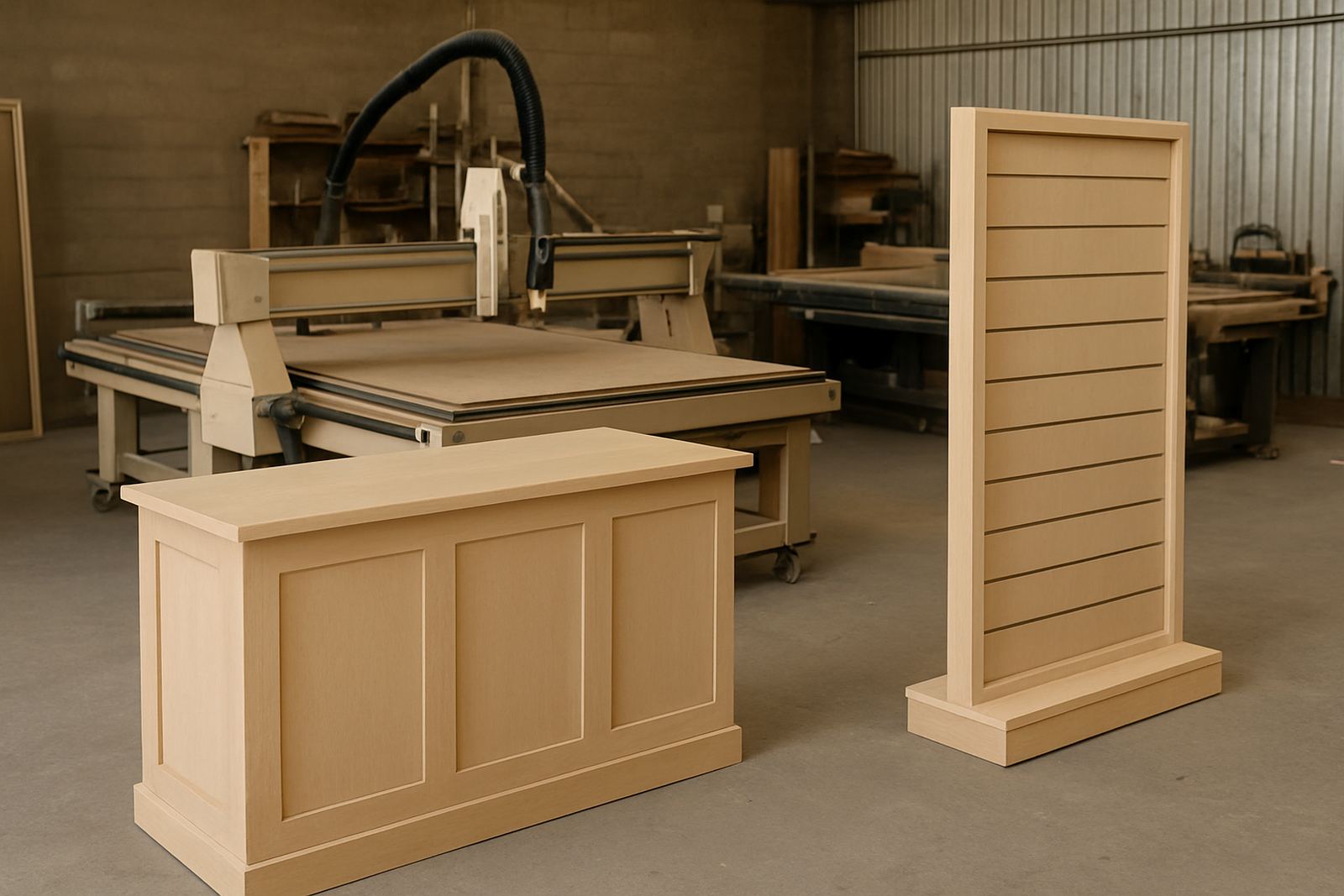
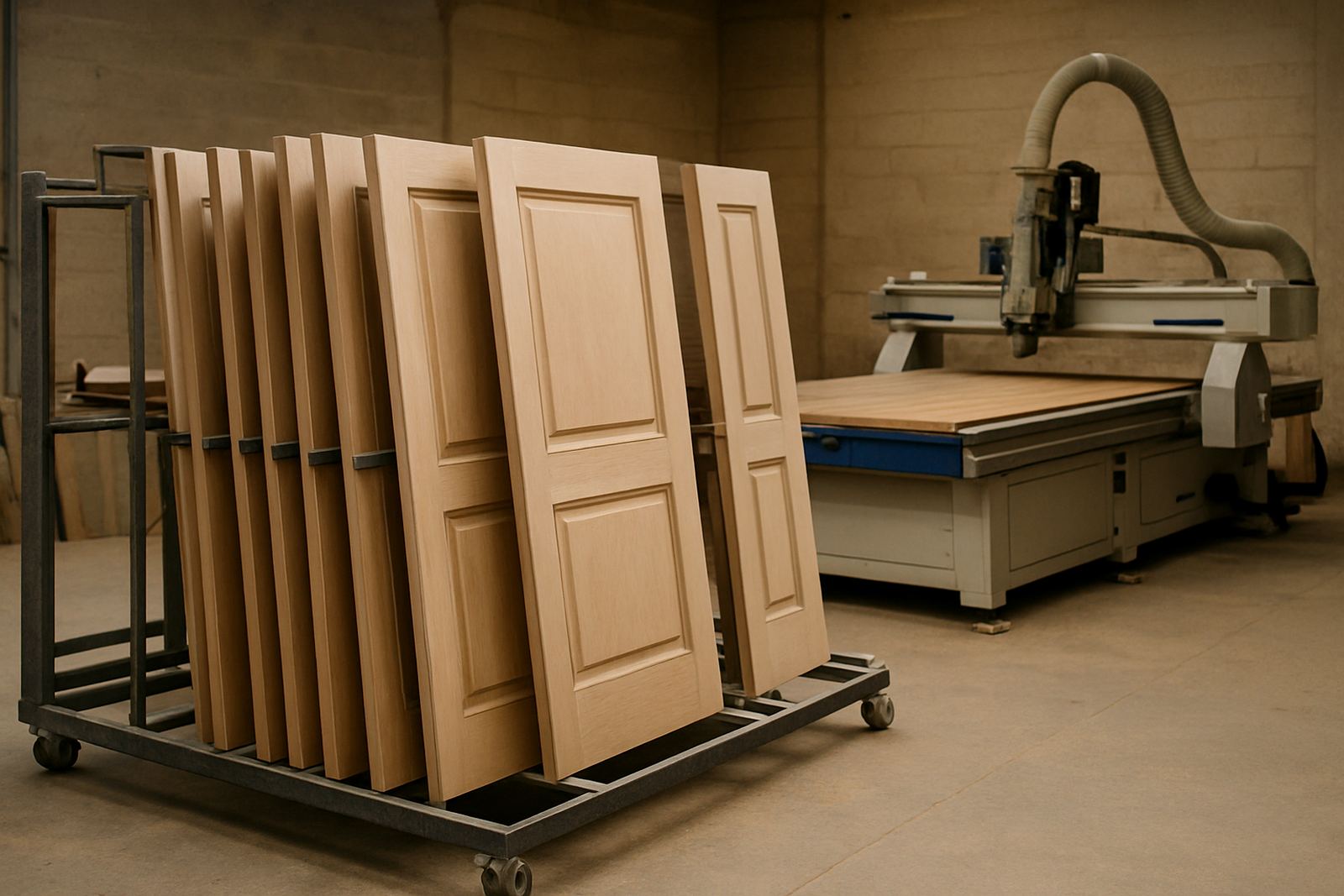
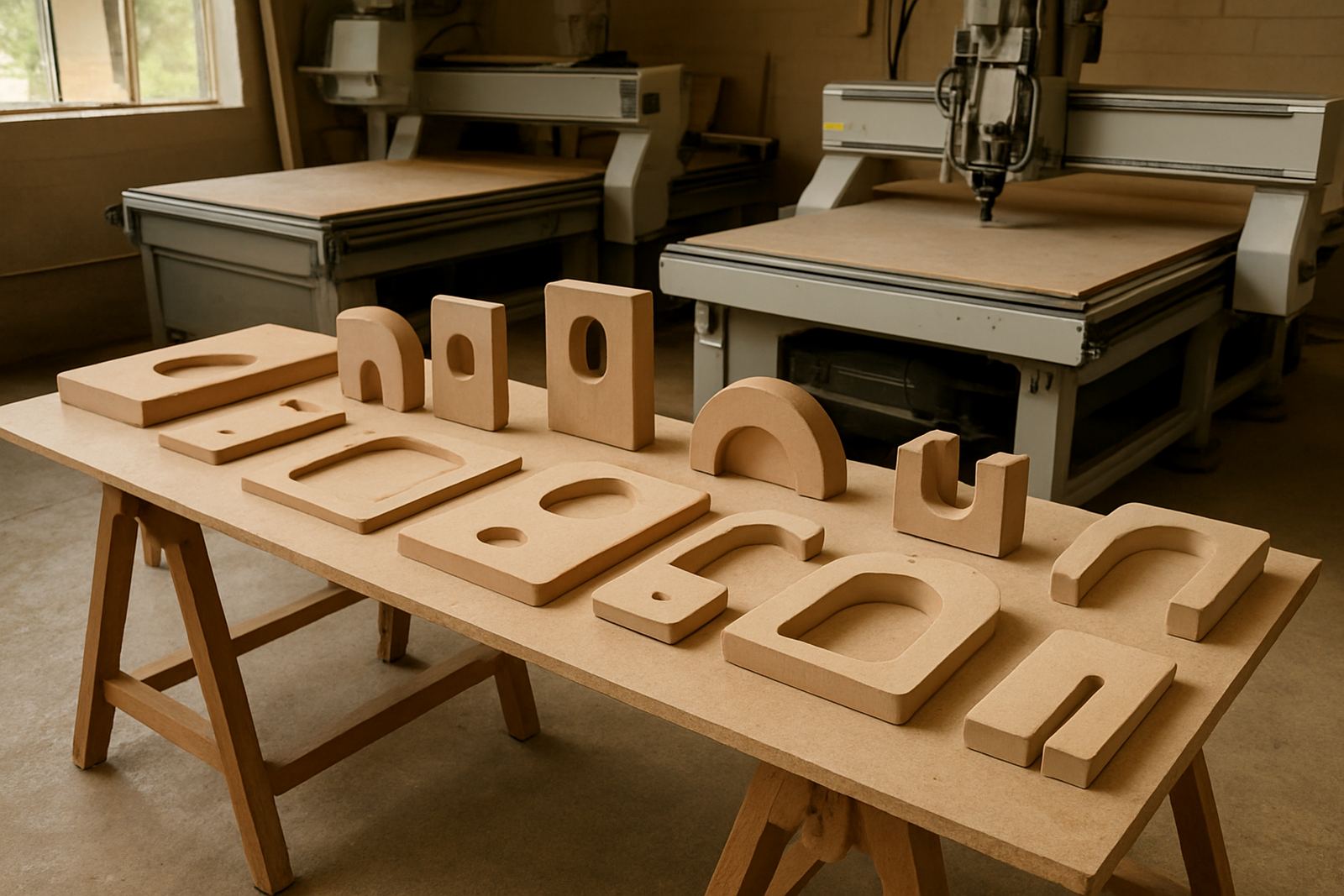
Pattern making is unforgiving. If a profile is off by even a few millimetres, every copied part carries that error forward. In a South African workshop that may be cutting board, foam, MDF, tooling board or similar material, the machine has to hold size, repeat corners cleanly and stay consistent through a full shift. That is why many pattern shops move from hand shaping to CNC cutting when volumes rise or clients start asking for tighter fitment.
MultiCAM supplies routers for this kind of work, from entry machines for smaller pattern rooms to larger systems for repeat production. The goal is simple: give the operator a clear workflow, keep the cut predictable, and reduce rework from broken edges, poor clamping or tool chatter. With the right setup, a pattern maker can go from sketch to finished form more quickly and with better control over the final part.
Typical machine set-up for board and foam stock
Pattern shops usually need a flat table, dependable vacuum hold-down and tooling that suits the material. Board stock often needs a cleaner cutting edge, while foam can need higher feed rates and a different cutter geometry. For larger sheets, table size matters because a shop that is constantly trimming material to fit loses time and accuracy. In Johannesburg and the wider Gauteng area, many teams also need dust extraction that can cope with long runs and dry indoor air in winter.
- CNC router with a working area matched to common sheet sizes
- Vacuum table or zoned hold-down for light and medium density stock
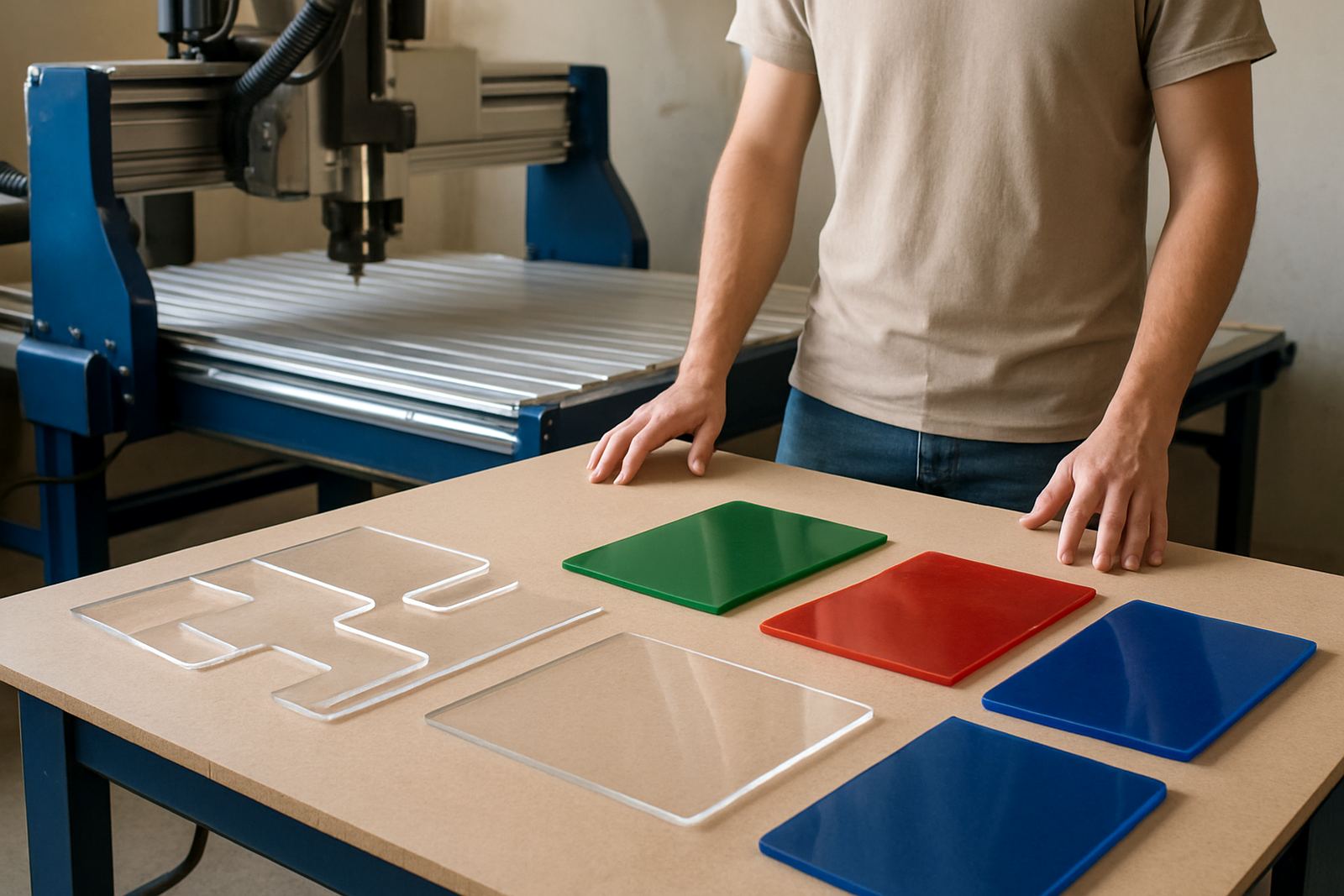
- Suitable cutters for board, foam and plastics
- Dust extraction and hose routing that do not block operator movement
- Controller with simple file loading and repeat part recall
Where the shop also handles occasional soft metal work, the cutting setup must be checked carefully so the same machine is not overloaded. Tool selection, spindle speed and table condition all matter. A good installation balances speed with finish quality, and that balance changes from one material to the next.
Layout planning for tight workshops and busy production floors
Pattern rooms are often squeezed between storage, finishing and dispatch. Before a machine is installed, it helps to plan the full path from raw stock to finished pattern. That includes sheet loading, operator access, vacuum lines, dust extraction, tool storage and enough room for the finished part to be lifted clear without damage. If the table is too close to a wall or racking, daily handling becomes awkward and slower than it should be.
Power quality also needs attention. Load-shedding, voltage dips and generator changeover can interrupt a job if the system is not protected properly. A controller backup, stable power supply and sensible start-up routine are practical safeguards. For coastal sites such as Durban North or Cape Town North, humidity and corrosion control should be considered as well, especially where foam dust and moisture can collect around rails, cables and moving parts.
- Leave space for sheet loading on at least one long side
- Keep the dust extractor accessible for bag or filter checks
- Separate finished patterns from incoming stock to avoid mix-ups
- Allow room for the service technician to reach the spindle and gantry
Common mistakes that cost time and material
The most common problem is choosing a machine only on sheet size, then discovering that vacuum strength, tooling or controller layout does not suit the actual job mix. Another mistake is treating foam and board the same. A cutter that leaves a neat edge in one material may tear or polish badly in another. Shops also lose time when offsets are not checked, because a small setup error can repeat across every copy pattern.
We also see poor dust system balancing. If extraction is too weak the table gets clogged and cut quality drops. If it is too aggressive on a lightweight part, the work can shift and spoil the run. Operator training helps here because the team needs to understand feeds, speeds, hold-down and safe restart steps after a break in power. Even a good router will underperform if the setup is rushed or the toolpath is not reviewed before cutting.
Budget ranges for pattern making CNC work
Budget depends on size, automation and the amount of support needed at installation. A smaller entry router for basic pattern production can start around R350 000 to R650 000, depending on table size and options. Mid-range machines with better vacuum, more stable frames and stronger production features often sit between R700 000 and R1.4 million. Larger production cells, or systems that include advanced loading and tighter workflow control, can move beyond R1.5 million.
It is worth budgeting for the full workshop picture, not only the machine. Tooling, dust extraction, commissioning, operator training and a first round of maintenance should all be part of the plan. For many businesses, the total setup cost is lower than the expense of repeated manual rework. The numbers also become easier to justify when a shop is running regular production instead of one-off jobs.
Support across Germiston, Gauteng and beyond
MultiCAM is based in Germiston and supports pattern shops across South Africa, including Johannesburg East, Midrand Service, Pretoria East, Durban North and Cape Town North. The team handles machine installation, commissioning, preventive maintenance, spindle service, vacuum leak checks, controller backups, operator training, tooling setup, machine relocation and dust system balancing. That mix is useful for pattern makers who need one supplier to stay involved after the machine is on the floor.
For day to day questions, the team can help with machine selection and practical setup notes before the order is placed. That means the workshop can match the machine to the actual job list, not only the wish list. If your work includes repeated patterns, mould boards or foam templates, a proper site discussion often saves money before the first cut is made.
Use our contact form to discuss the right machine size, table option and tooling plan for your pattern work.