Built for display work that changes every week
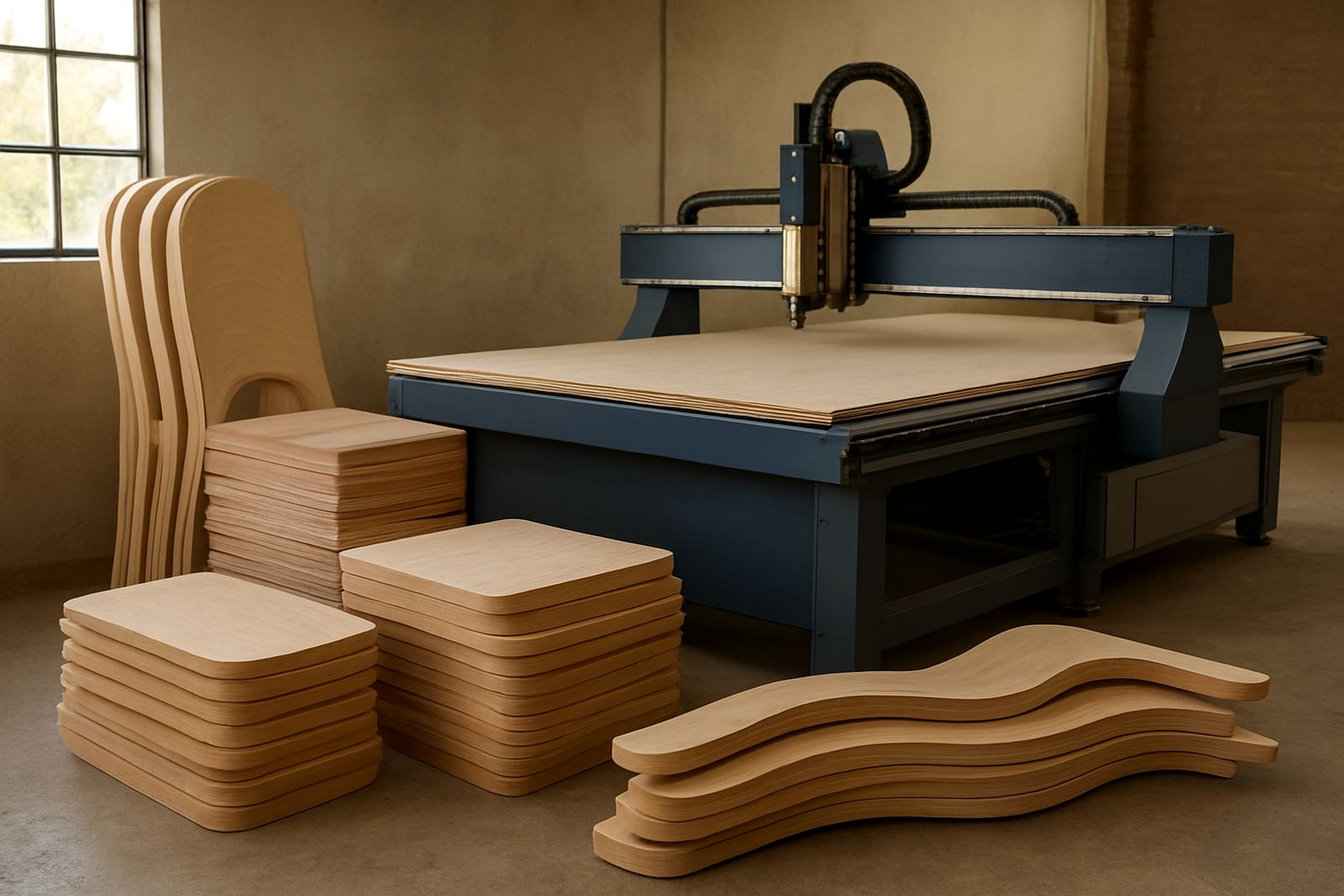
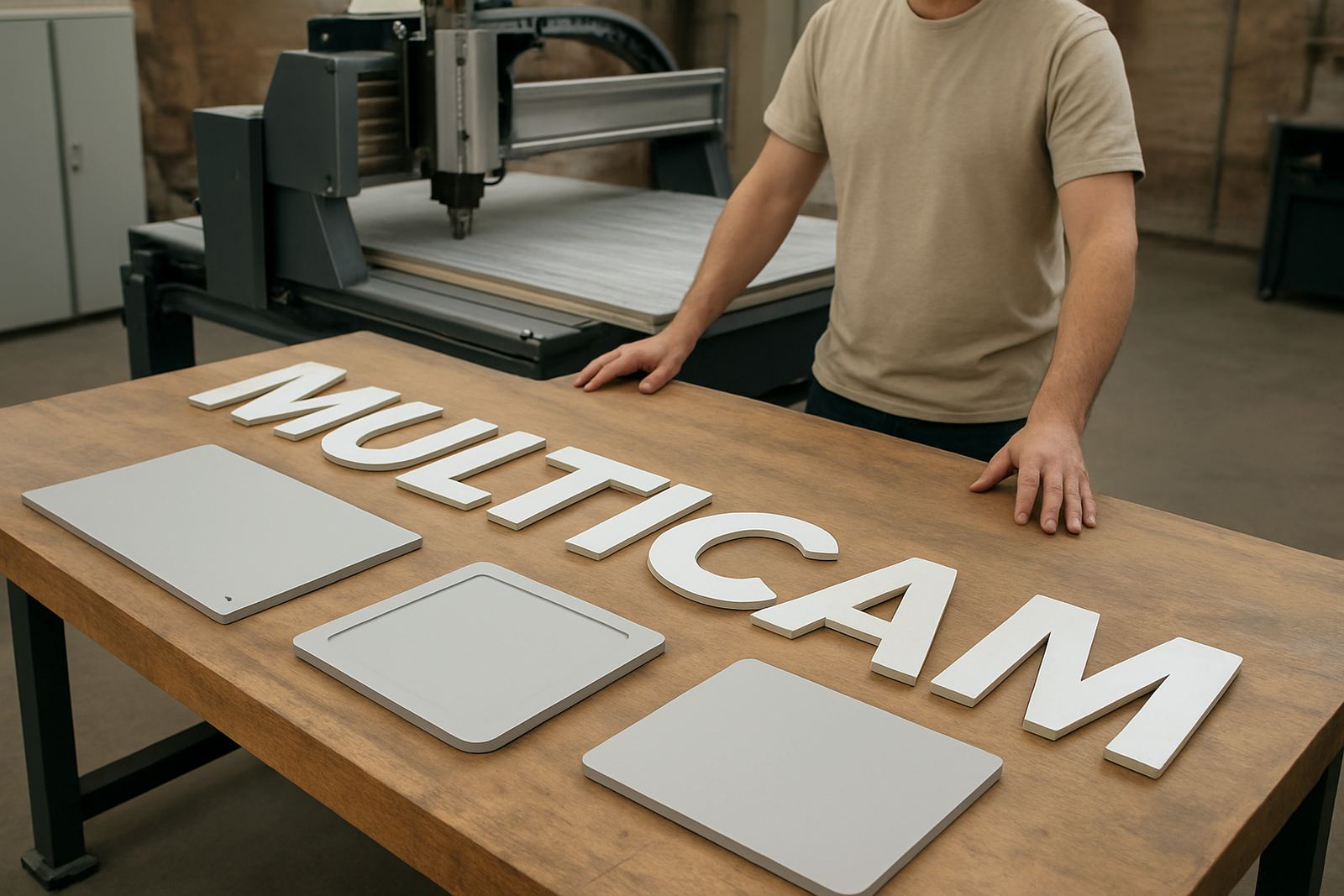
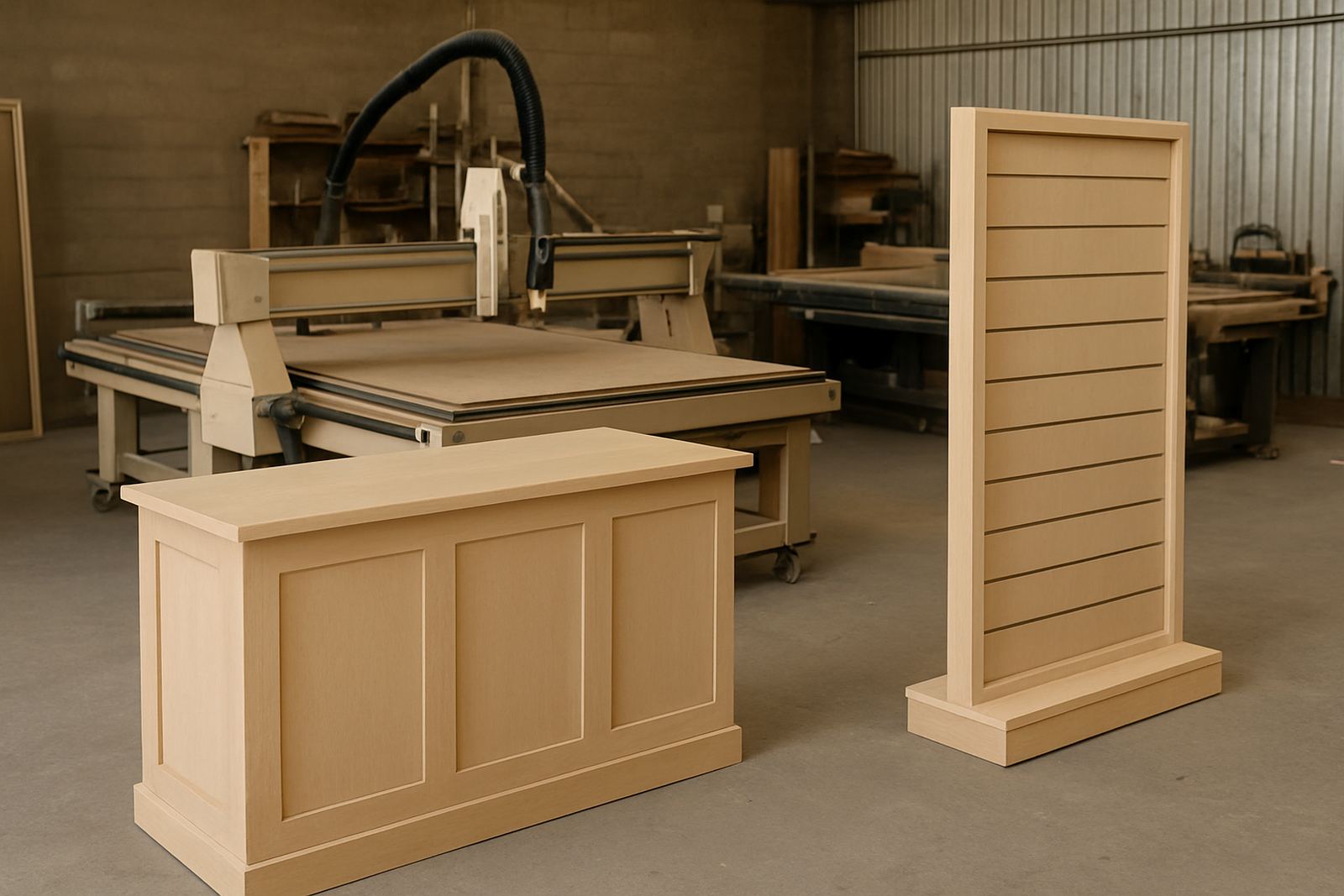
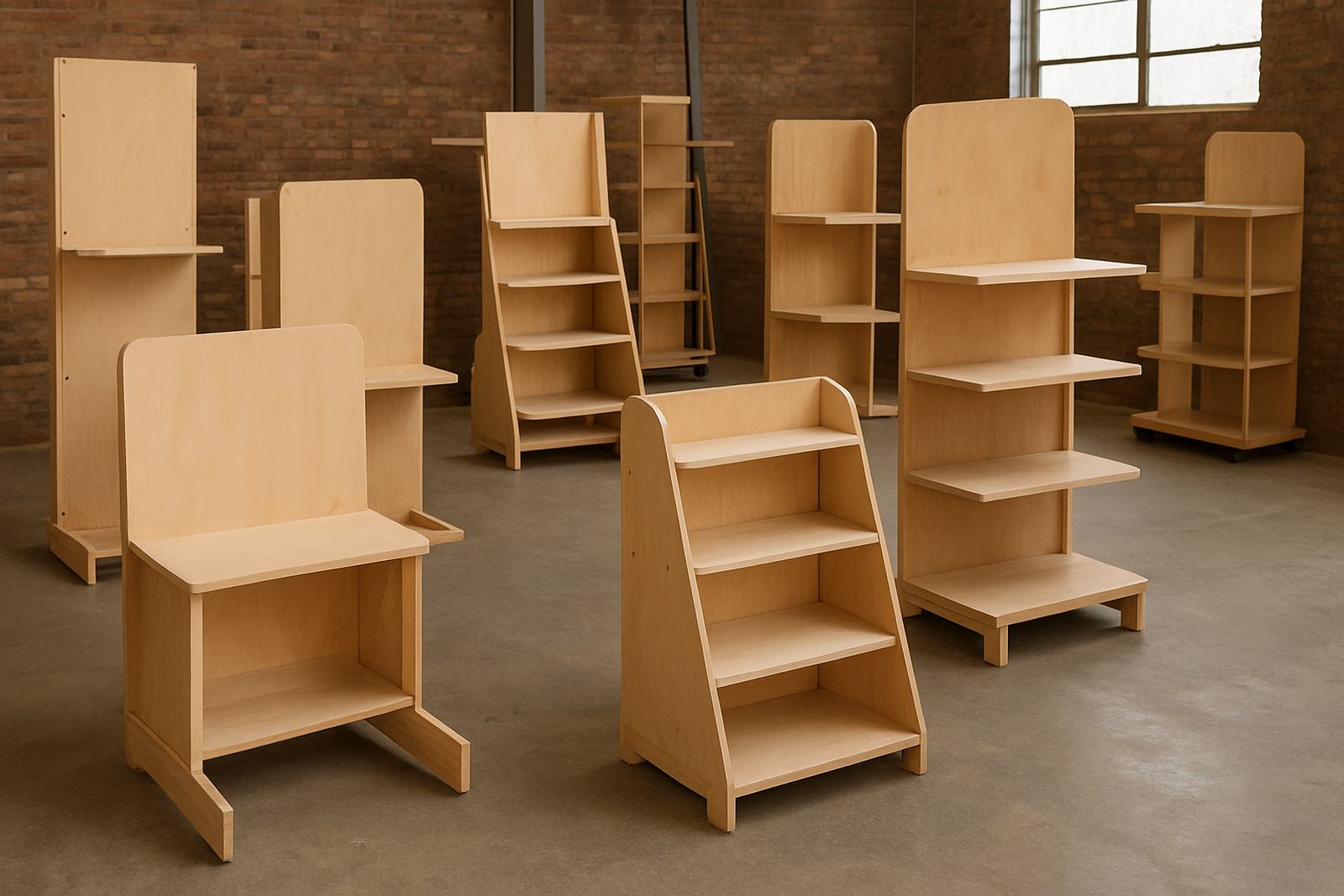
Point of sale fabrication is never just one product. One job may be a freestanding branded stand, the next a shelf set, tray insert, header panel or shaped plinth for a national campaign. That means your router needs to handle many sheet sizes, quick changeovers and repeat jobs without making each run feel like a new setup.
At MultiCAM, the focus is on practical cutting and nesting for display makers who work with MDF, foam board, acrylic, PVC, laminated board and other sheet materials. A good machine should give clean edges, hold dimensions and let your team move from drawing to parts with fewer surprises. In a busy Johannesburg or Durban workshop, that matters when a store opening is only a few days away.
Typical machine set for point of sale production
Most display shops do best with a router that matches their sheet size, daily output and staffing. Some teams need a compact entry machine for short runs, while others need a larger bed with vacuum hold-down and automatic tool change for mixed material jobs. Soft metals are sometimes part of the mix, but most point of sale work stays in sheet goods and plastics.
- Entry router for smaller sign and display runs
- Vacuum table for flat sheet holding and better nesting
- Basic tool library for routing, pocketing and engraving
- Dust extraction sized for MDF and board cutting
- Controller backup and simple operator prompts for shift work
For higher volume shops, a production cell can make sense, especially where one machine cuts, another edges or finishes, and the team needs repeatability across several installations. If your work moves between Germiston, Midrand and Pretoria East, it also helps to keep the machine footprint and loading path simple.
Workshop layout that supports fast changeovers
Point of sale jobs take up space in ways many workshops underestimate. Sheet storage, offcut stacking, adhesive curing, packing benches and finished part staging all need their own area. If the machine sits too close to packing or hand finishing, people end up crossing paths and parts get mixed up. A cleaner flow usually saves more time than a bigger machine on paper.
Plan the room so a full sheet can move in, be loaded once, and come out near the sanding or assembly point. Keep the dust line short and straight where possible, and leave access for spindle service and vacuum leak checks. In coastal cities like Durban or Cape Town North, humidity can affect board storage and vacuum performance, so it helps to keep sheets flat and sealed. One missing label on a nested stack can create a whole re-cut, and that is a pain in a small team.
- Store sheets near the loading side, not across the room
- Separate cutting, finishing and packing zones
- Leave space for tool carts and spare collets
- Keep an easy route for machine relocation if the workshop grows
Tooling and setup choices that reduce scrap
Many point of sale problems are not caused by the router itself. They come from the wrong cutter, poor feed rate, weak hold-down or a file that was never set up for the actual sheet size. A clean plan from the start avoids chipped laminate, melting acrylic and parts that do not fit when the installer gets on site.
Tooling should match the material, the edge finish and the kind of detail needed. For display work, a workshop often needs a small set of cutters rather than a huge catalogue. That keeps training easier and reduces mistakes on night shifts or when a temp operator steps in.
- Use one setup sheet for each repeat product
- Back up the controller after proven jobs are saved
- Check vacuum zones before long nesting runs
- Match cutter geometry to board, plastic or soft metal
- Train operators to spot chatter, lift and heat before damage spreads
Common mistakes on display and point of sale jobs
The biggest mistake is buying for the biggest brochure sample instead of the work the shop actually sends out every week. A machine that looks generous on paper can still underperform if the dust system is weak, the table is too small for the sheet mix, or the team has not had proper operator training. Another common issue is poor nesting practice, which wastes board and pushes the Rand cost of every job higher.
It is also easy to ignore maintenance until a spindle sounds wrong or the vacuum drops off. In South Africa, load-shedding and power dips can interrupt a job at the worst time, so controller backups and restart routines are worth setting up early. If you handle rollout work for chains or mall tenants, even a small stop can ripple into missed fitment dates. A bit of planning avoids a lot of fuss later.
Budget ranges in Rand for point of sale workshops
Budget depends on sheet size, automation, dust extraction and how much output you need per shift. A compact entry router for display parts can start in the lower budget range, while a larger vacuum table with better tooling and more controlled production features moves up quickly. Relocation, installation and training should be part of the number from the start, not added later after the machine arrives.
As a rough guide, many point of sale workshops look at these bands:
- Entry router package: from about R350 000 to R700 000
- Mid-range production setup: about R700 000 to R1,500,000
- Higher output cell with better table and support gear: from about R1,500,000 upward
That range can shift with tooling, dust system balancing, site prep and the level of automation. If your Germiston base is tight on floor space, the right planning can sometimes save more than buying a larger model that leaves no room to work.
Support across South Africa when deadlines are tight
Point of sale work is often deadline driven, so local support matters. MultiCAM assists from Germiston with installs across Johannesburg East, Midrand, Pretoria East, Durban North and Cape Town North, with machine installation, commissioning, preventive maintenance, spindle service, vacuum leak checks, controller backups, operator training, tooling setup, machine relocation and dust system balancing.
For display makers, that support is not just nice to have, it keeps the workshop steady when a retail campaign changes at short notice. Whether you are cutting one-off branded stands or repeat shelf sets, the goal is the same: accurate parts, steady output and less rework. Marius Johannes van der Merwe and the team, including Lerato Nkosi, Stefan Naude, Lesedi Ntanzi, Farieda Adams, Mpho Mtshali and Chantel Naidoo, work with shops that need clear advice and practical follow-through.