Prepared for side work and special operations
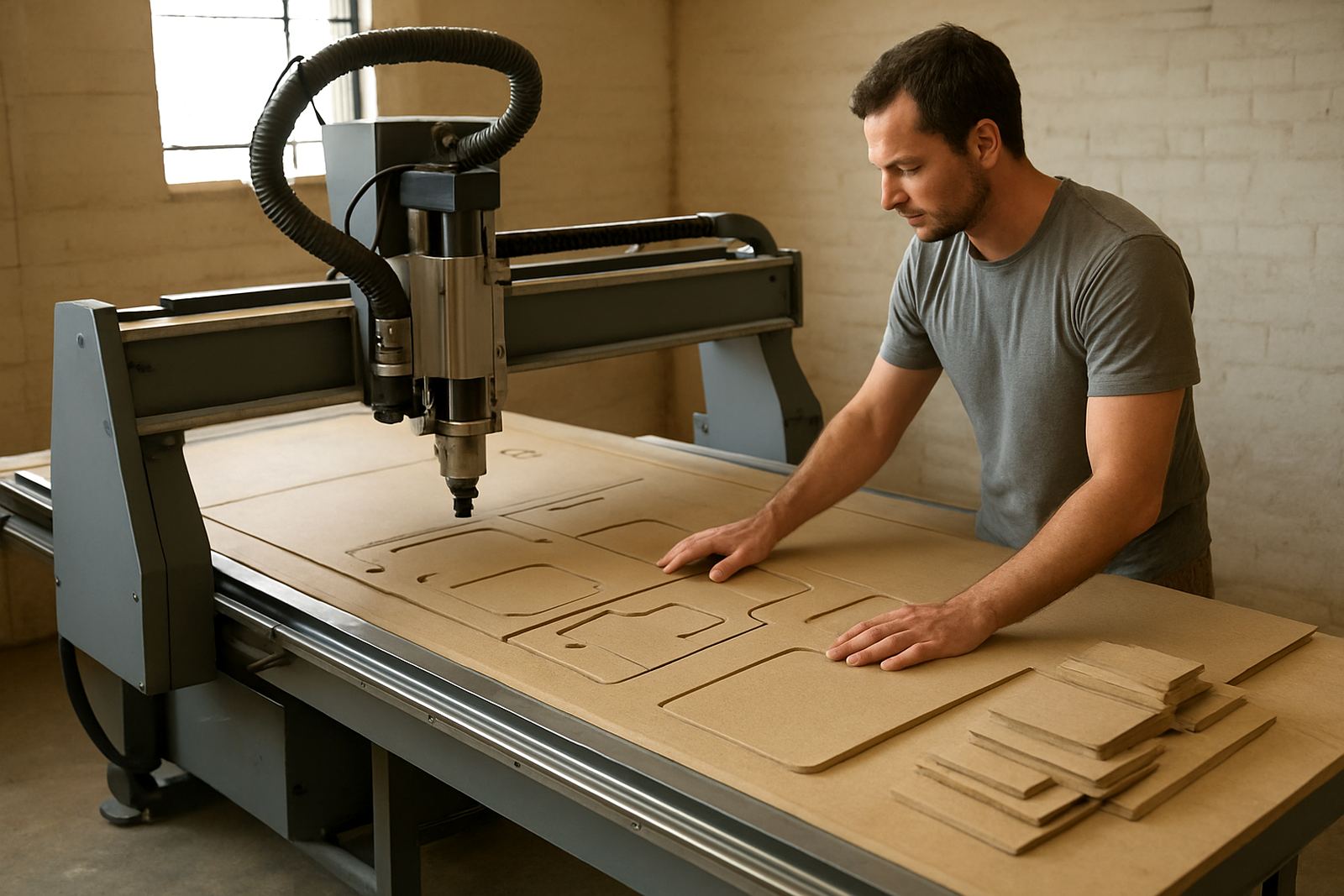
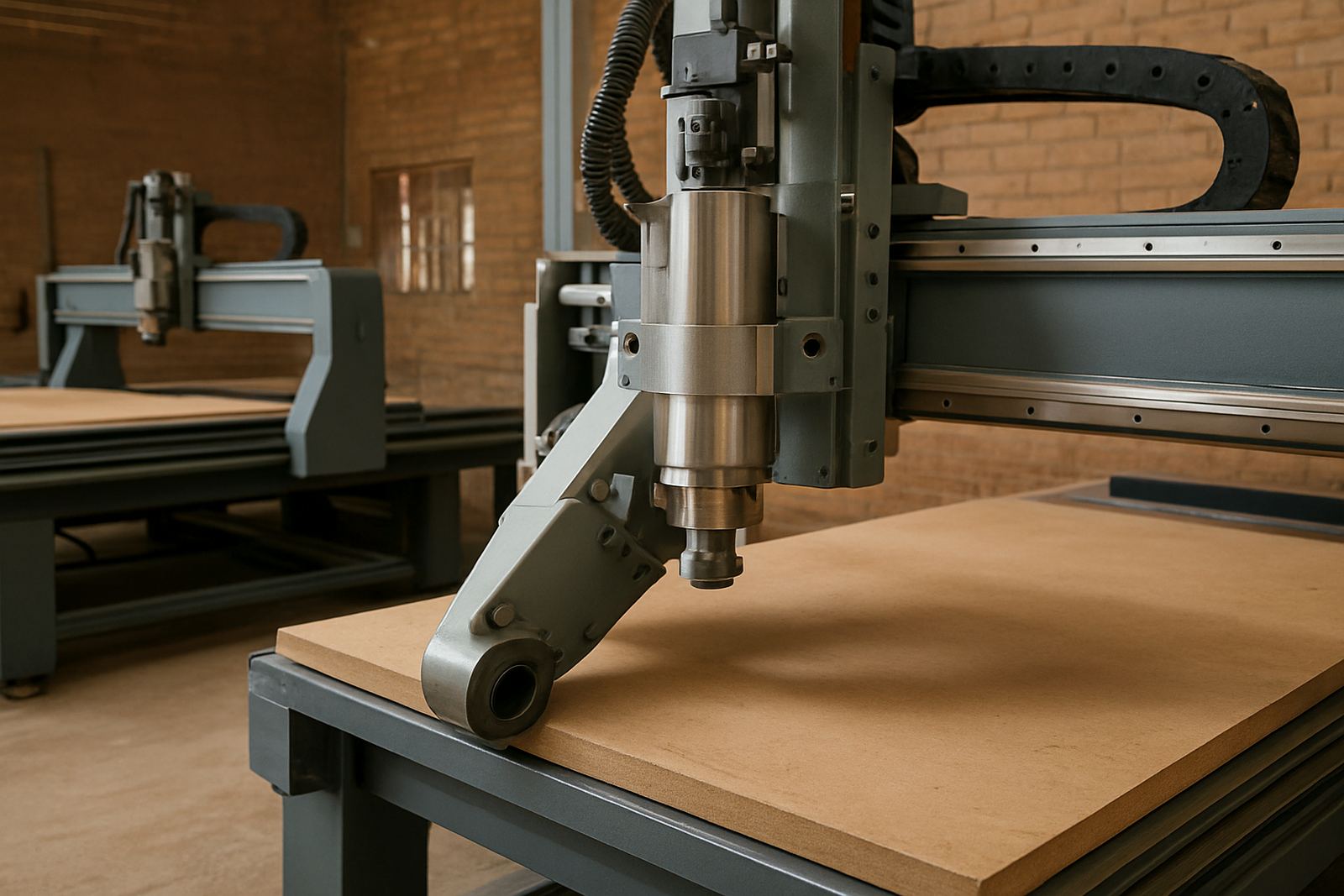
MultiCAM aggregate ready routers are built for workshops that need more than flat sheet cutting. The machine is arranged to accept add-on heads for tasks such as side drilling, angled trimming, saw work, grooving and other special operations that come up in furniture, joinery, plastics and display work. That means one machine can handle the main nest and the extra machining without moving parts between stations.
For a South African shop, this matters when labour is tight and orders change during the week. You can keep the router doing panel work in the morning, then switch to edge or side operations for cabinetry parts, shopfitting components or technical panels later on. The aim is simple: fewer handoffs, less measuring again, and a better chance of getting the part right first time.
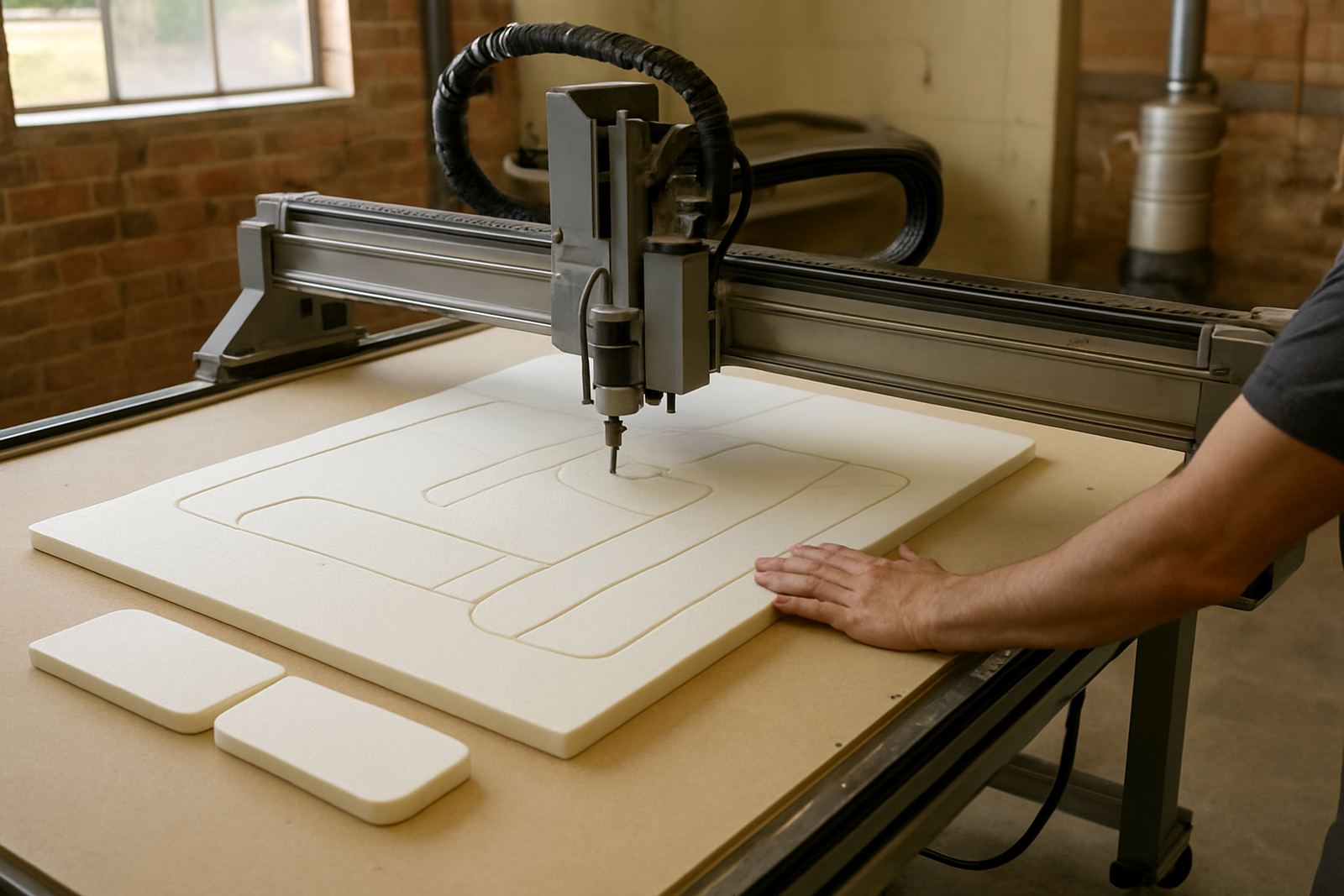
These systems suit businesses that want a clear step up from a basic router but are not ready for a full multi machine cell. They are practical for firms working with boards, acrylic, PVC, foamed plastics and light aluminium where the aggregate head adds useful flexibility without making the setup too complicated.
Table sizes, spindle choices and aggregate options
We supply aggregate ready routers in a range of working sizes to suit different floor plans and production levels. Common table formats include 1300 x 2500 mm for smaller workshops, 1500 x 3000 mm for most furniture and sign applications, and larger beds for high output nesting. If you are working with standard board sizes, the table should match your sheet stock so you waste less material and spend less time trimming oversize parts.
Spindle options depend on what you cut and how often you cut it. Entry machines can suit lighter sign and plastics work, while production units usually need higher power for long shifts, thicker material and cleaner edge finish. On aggregate ready models, the machine frame and axis layout must also leave enough room for the add-on head to move safely and repeatably.
- Working areas commonly start at 1300 x 2500 mm and extend to 2100 x 4200 mm or more
- Spindle power can range from 6 kW to 12 kW depending on material and cycle time
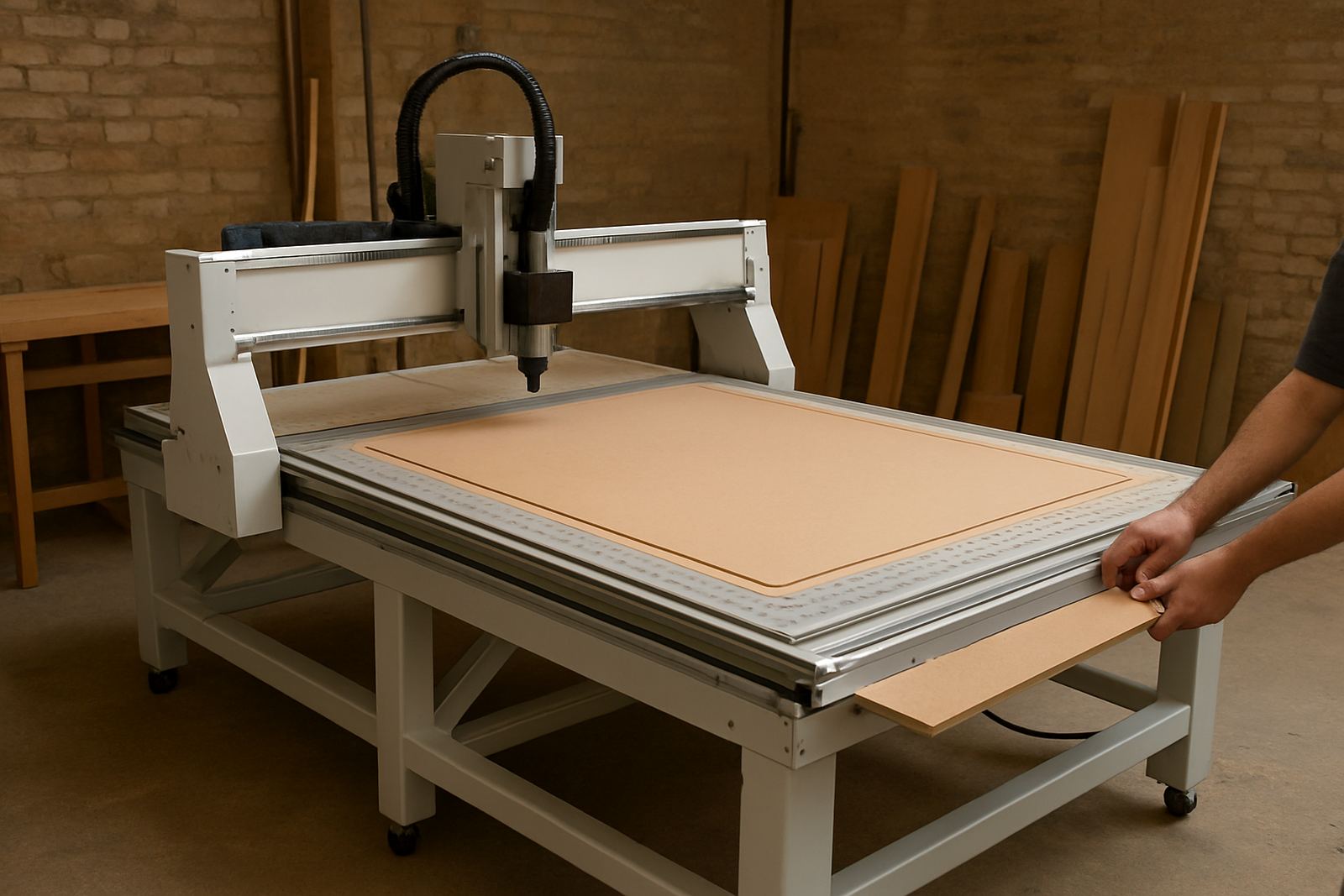
- Vacuum zones may be split for small parts, nested sheets or mixed part runs
- Tool changers can be manual or automatic, depending on throughput
- Aggregate heads may be set up for side drilling, sawing, grooving or angled machining
Where this machine fits in South African workshops
This type of router suits fabricators who want to move beyond simple profile cutting. It is a good fit for cabinet makers, sign shops, plastic processors, exhibition builders and light engineering teams that need repeatable parts and the option to do side operations on the same machine. In Johannesburg, Germiston, Midrand and Pretoria East, it is often chosen by workshops that are short on floor space but still need proper nesting and special heads.
Coastal sites can also benefit, especially where humidity affects boards and tool life. In Durban North and Cape Town North, good extraction, sealed storage and regular spindle checks become important because damp air and fine dust can shorten tool life and affect finish. The same goes for workshops running through load-shedding periods, where a router that returns to position after a power interruption saves time and scrap.
- Furniture and cabinet parts with drilled side holes
- Shopfitting panels that need grooves, rebates or concealed fixings
- Display work using acrylic, PVC and composite board
- Sign manufacturing where clean edges and repeat runs matter
- Small batch production where parts change often and set-up must stay simple
Installation, power and air requirements
Installation needs to be planned properly because an aggregate ready router draws on more than just floor space. The machine normally requires stable three phase power, a suitable main isolator and correct earthing. Depending on the spindle and vacuum package, supply requirements can vary, so we confirm the electrical load before delivery. If your site has poor voltage stability or frequent outages, we can help you think through backup options and restart procedures. It is better to do that before the machine arrives, not after the first alarm.
Compressed air may be needed for the aggregate head, tool release, dust control or pneumatic clamps, so the compressor must be sized for actual use not guess work. Vacuum is just as important. A router that cuts well but cannot hold parts properly will give trouble, especially on small panels and narrow strips. We check the table sealing, pump capacity and hose routing during commissioning so the setup works in the real workshop, not only on paper.
For relocation, the machine should be stripped, lifted and levelled by people who understand CNC equipment. A bad move can knock a gantry out of square or damage the spindle bearings. Our Germiston base handles local installation and machine relocation, and our team supports sites across South Africa with commissioning and training after the machine is in place.
Care, servicing and day to day checks
These machines stay accurate when they are cleaned and checked on a regular basis. Dust build-up, loose fittings and worn tooling are the main causes of poor edge finish and unnecessary downtime. A short daily routine is usually enough to catch most issues before they become a stoppage. The operator should clear the table, check the vacuum zones, inspect the tool holder and listen for unusual spindle noise.
MultiCAM offers preventive maintenance, spindle service, vacuum leak checks, controller backups and dust system balancing to keep the machine working as it should. We also cover operator training and tooling setup, which helps teams use the right feeds, speeds and cutter types for the material on hand. A router is only as good as the settings, and small changes can make a real differnce to finish and cycle time.
- Clean the table and spoilboard daily
- Check vacuum seals and hose connections weekly
- Inspect tooling wear before each shift on production work
- Back up controller settings after any program or parameter change
- Book spindle inspection if noise, heat or vibration changes
What to confirm before you order
Before you place an order, confirm the materials you cut, the sheet size you use, the type of side work you want and how many parts you expect per day. If the machine must do aggregate work, say so early because the head type, tool holders and axis clearance affect the final specification. It also helps to know whether you need automatic tool change, zone vacuum, a probe, dust shoe options or a larger pump package.
You should also check whether your workshop has enough clear access for delivery, offloading and final positioning. A machine may fit on the floor but still struggle to get through a gate, roller door or tight passage. Ask for the overall footprint, transport height and service clearance around the table. If your team plans to run the router with two shifts or near the coast, factor in servicing and cleaning intervals from the start.
For quotations and selection guidance, our team in Germiston, Johannesburg East, Midrand, Pretoria East, Durban North and Cape Town North can help match the router to the job. We keep the advice practical: what will cut cleanly, what will hold up under daily use, and what your power and air supply can actually support.
Key facts
| Machine type | Aggregate ready CNC router for sheet cutting and add-on head operations |
|---|---|
| Working area options | 1300 x 2500 mm, 1500 x 3000 mm, 2100 x 4200 mm and larger formats |
| Spindle range | 6 kW to 12 kW depending on material and production demand |
| Aggregate capability | Prepared for side drilling, grooving, sawing, rebate and special machining heads |
| Utilities | Three phase power, compressed air and vacuum hold-down as specified |
| Typical materials | Wood, board, plastics, acrylic, PVC, composite board and light aluminium |