Why zoning matters more on small jobs
When a full table is left open for a half sheet or a narrow panel, vacuum is spread over too much area and the hold-down drops off. The machine may still run, but the part can move at a corner, chatter on the cut or leave a poor edge that needs hand work later.
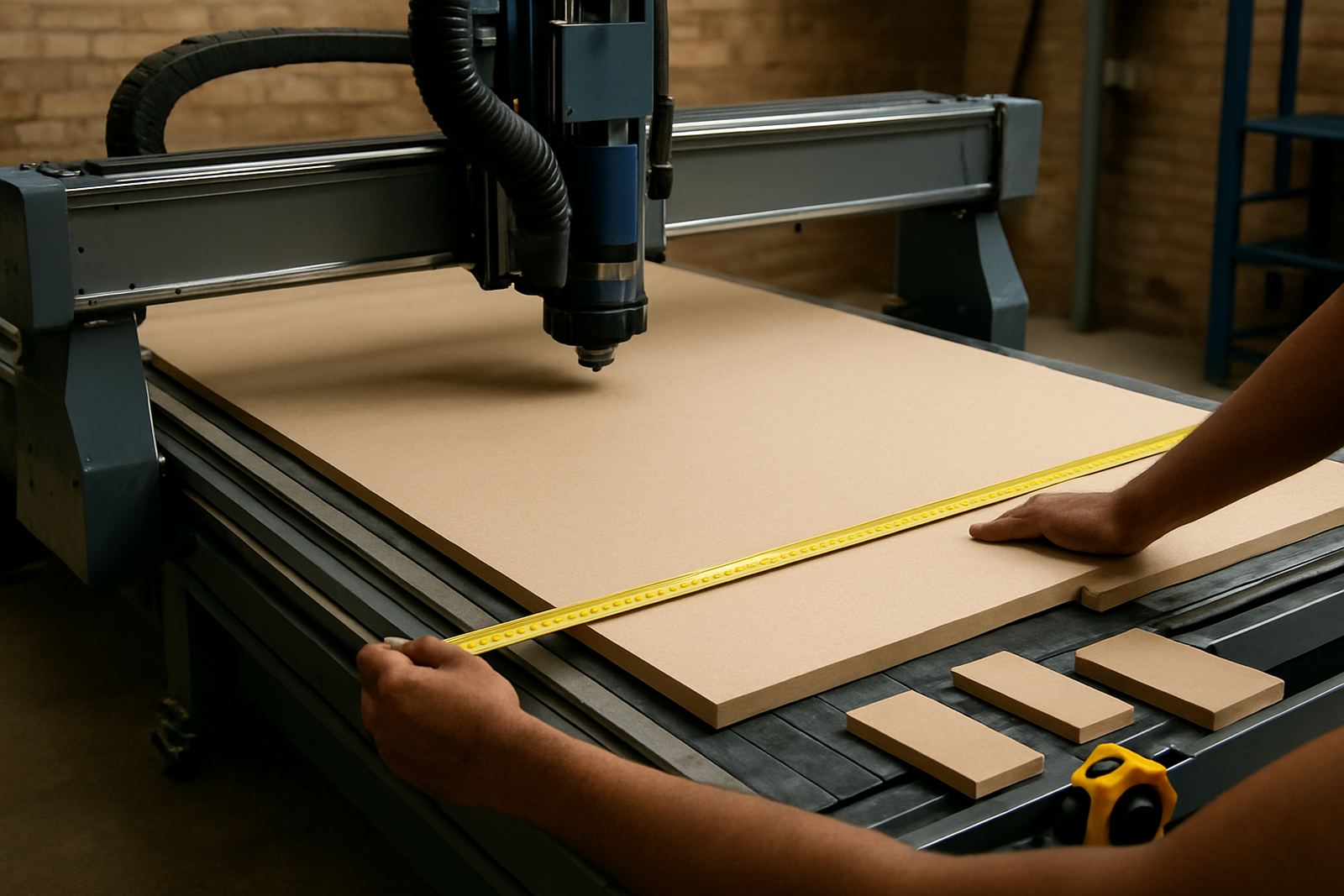
Good zoning keeps suction focused where the material sits. That matters for sign shops nesting offcuts, furniture makers running cabinet sides and joiners cutting smaller parts from expensive board. In a Germiston workshop, for example, a 2440 x 1220 mm table can be set to hold only the active zone so a 900 x 600 mm batch grips properly instead of bleeding vacuum across dead space.
How to match zones to the material size
The right zone plan starts with the typical sheet sizes you actually process, not just the largest panel the router can accept. If most of your work is half sheets, narrow strips or repeated parts, then smaller independent zones usually make better sense than one large open bed.
- Use one zone for small offcuts and test pieces so they do not share suction with unused table area.
- Group zones to suit common sheet formats, for example full sheet, half sheet and narrow strip runs.
- Keep the zone pattern easy for operators to understand, especially on shift changes.
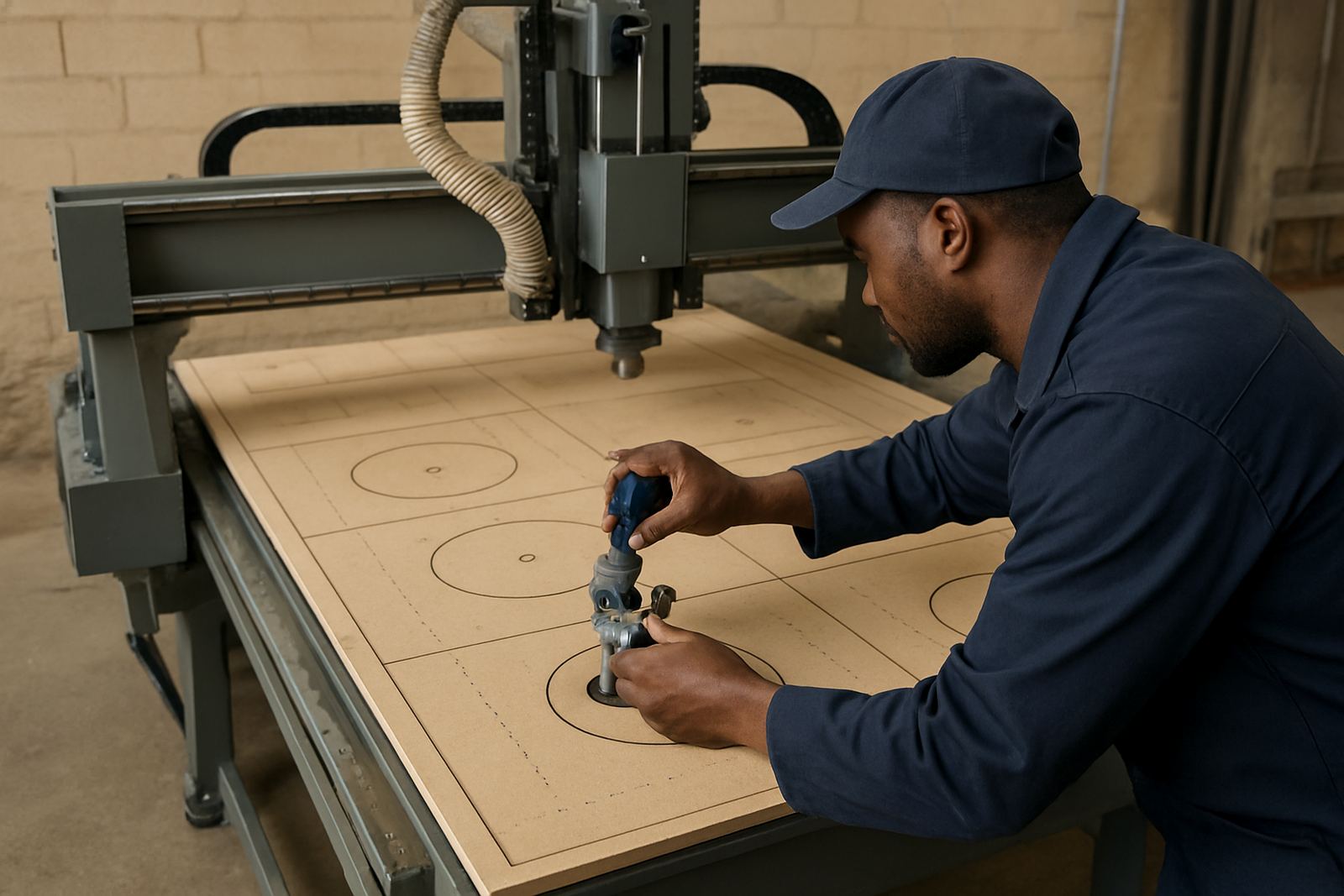
- Mark the table clearly so staff know which valves or blanking plates to use before starting a program.
The aim is simple: less wasted vacuum, better grip and fewer surprises when the cutter reaches a tight inside corner.
What changes when you cut MDF, acrylic or aluminium composite
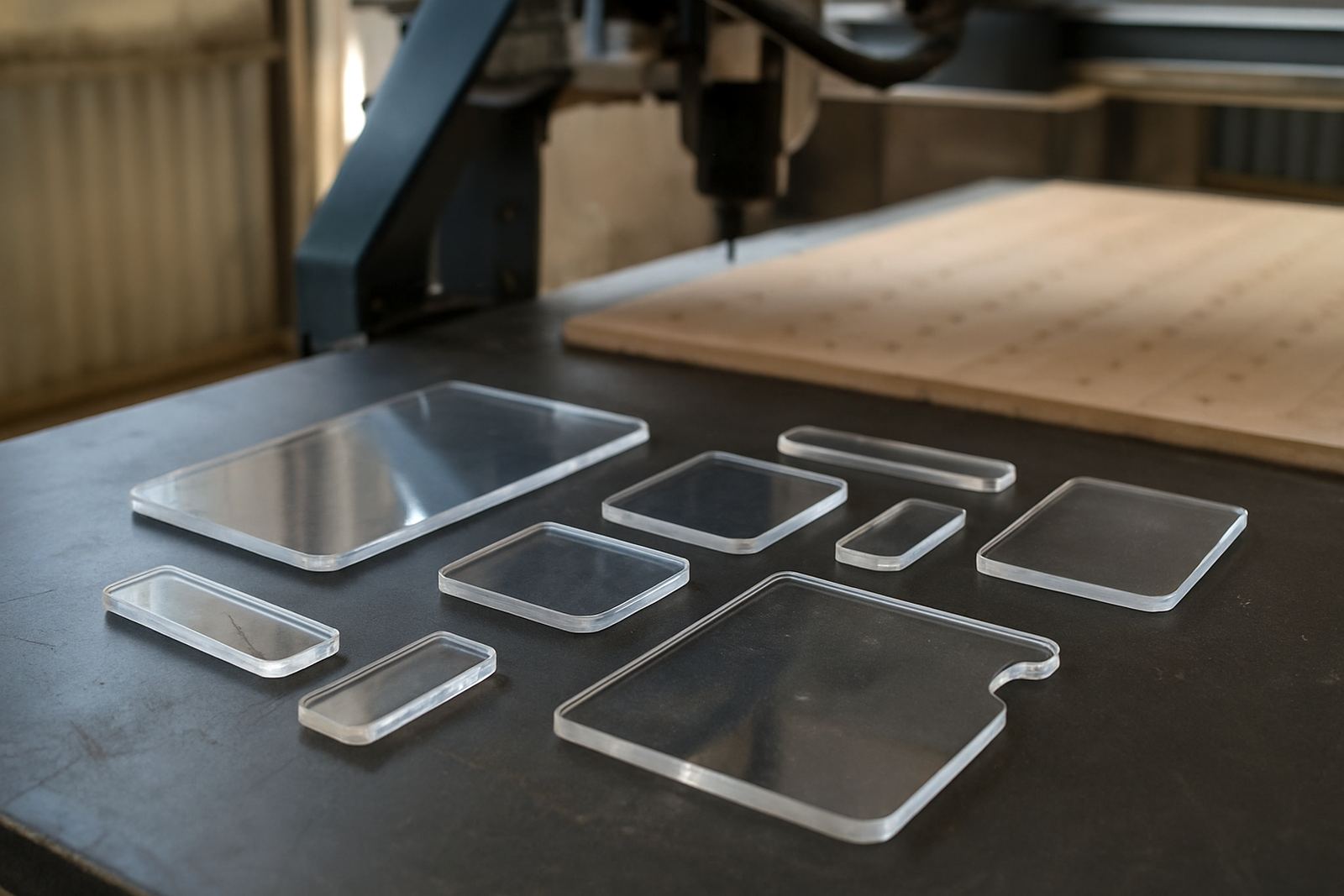
Different materials behave differently under vacuum. MDF is porous and usually seals well enough on a flat bed, but it can still leak through unsealed edges or damaged table surfaces. Acrylic and aluminium composite sheet are less forgiving if the spoilboard is uneven or if the part is small and light.
Soft metals need even more attention because the cut forces can push a piece sideways before the tool fully breaks through. On these jobs, a smaller active zone helps, but so does a clean spoilboard, correct gasket condition and sensible toolpath order. If the vacuum is weak, operators often blame the pump first, when the real problem is leakage from a zone that is far larger than the job.
- Check spoilboard flatness after heavy use and before accurate nesting.
- Replace damaged seals promptly, especially in dusty shops.
- Keep hold-down surfaces clean so sawdust does not bridge gaps and reduce suction.
Common zoning mistakes that waste suction
One of the most common errors is leaving every zone open for every job. That might feel safe, but it usually gives the pump more area to manage and less force where the sheet is actually sitting. Another mistake is loading parts across two weak zones when one zone would have held them better.
In coastal branches like Durban North, moisture in the air can also affect table performance and spoilboard condition. Humidity may not stop the job, but it can change the way seals sit and how quickly dust sticks to the bed. Inland in winter, static and dry dust bring their own issues, so the answer is not one fixed setting for every workshop.
- Do not open unused zones just because the vacuum gauge looks low.
- Do not let operators guess the zone setup from memory.
- Do not ignore leaks around hoses, fittings or cracked table sections.
A simple setup routine for the operator
A good zoning routine should take minutes, not a long explanation before every shift. The operator needs to know which zone is active, which blanks or seals are closed off and how to confirm hold before cutting. That is especially important on busy days when different sheet sizes arrive back to back.
For practical use, many shops keep a short pre-start sequence near the machine. It reduces mistakes and makes handovers easier when the morning operator changes at lunch.
- Load the sheet squarely and check it sits fully on the active zone.
- Close unused zones or blank them off before starting the pump.
- Listen for obvious leaks and watch the gauge settle before cutting.
- Run a small test move or light probe if the job is new or the board is thin.
This kind of habit helps prevent lifted corners and saves material, which matters when board prices are high and rework eats time.
When to ask for a zoning review
If the machine is cutting accurately but parts still move, the issue may be zoning rather than programming. The same applies when the pump runs hard but hold-down is poor, or when one corner of the table always behaves differently from the rest. A zoning review checks the table layout, vacuum leaks, spoilboard condition and the real sheet sizes being processed.
For Johannesburg East and Midrand workshops, this often comes up after a machine move, a pump service or a change in product range. A cabinet shop that once ran large panels may later switch to smaller components, and the old zone layout simply no longer fits the work. The best setup is the one that matches today’s jobs, not last year’s mix.
MultiCAM supports machine installation, commissioning, vacuum leak checks, operator training and dust system balancing from the Germiston base, with installs across South Africa. If the hold-down is not matching the work, zoning is one of the first things worth correcting before you chase bigger faults.