Start With the Material You Cut Most Days
The first step is to match the dust option to the material on the table. Plywood and MDF produce fine, dry dust that moves easily through ducting, while solid timber throws bigger chips and plastics can make sticky curls that clog narrow lines. Soft metals need careful chip control and a different approach again, because you want collection without creating heat or spreading swarf around the machine.
For smaller sign shops, a simple hood and well set extraction line may be enough for light daily use. For furniture makers running nested sheets, plan for a larger volume of dust and a table layout that pulls debris away from the cut zone before it builds up under the workpiece.
- List your top 3 materials before choosing the system
- Check the chip size, not only the dust volume
- Allow for heavier use during month end or peak orders
Choose Between On-Tool Capture and Table Extraction
There are two common approaches. On-tool capture sits close to the cutter and pulls dust as it is made. Table extraction draws from below the spoil board or through zones in the bed, which helps with sheet goods and keeps the workspace cleaner. In many Germiston and Johannesburg East workshops, the best answer is a mix of both, especially where teams cut a range of parts through the week.
On-tool capture works well when the cutter is high enough to keep the shoe close to the job. Table extraction is useful for nesting because it helps clear fines from under the sheet and reduces how often operators need to stop and sweep. If you use both, the system must be balanced so one side does not steal air from the other.
- Use on-tool capture for profile work and edge finishing
- Use table extraction for nesting and sheet cutting
- Check that hoses do not pull on the gantry or snag during travel
Match the Airflow to the Job, Not Just the Machine Size
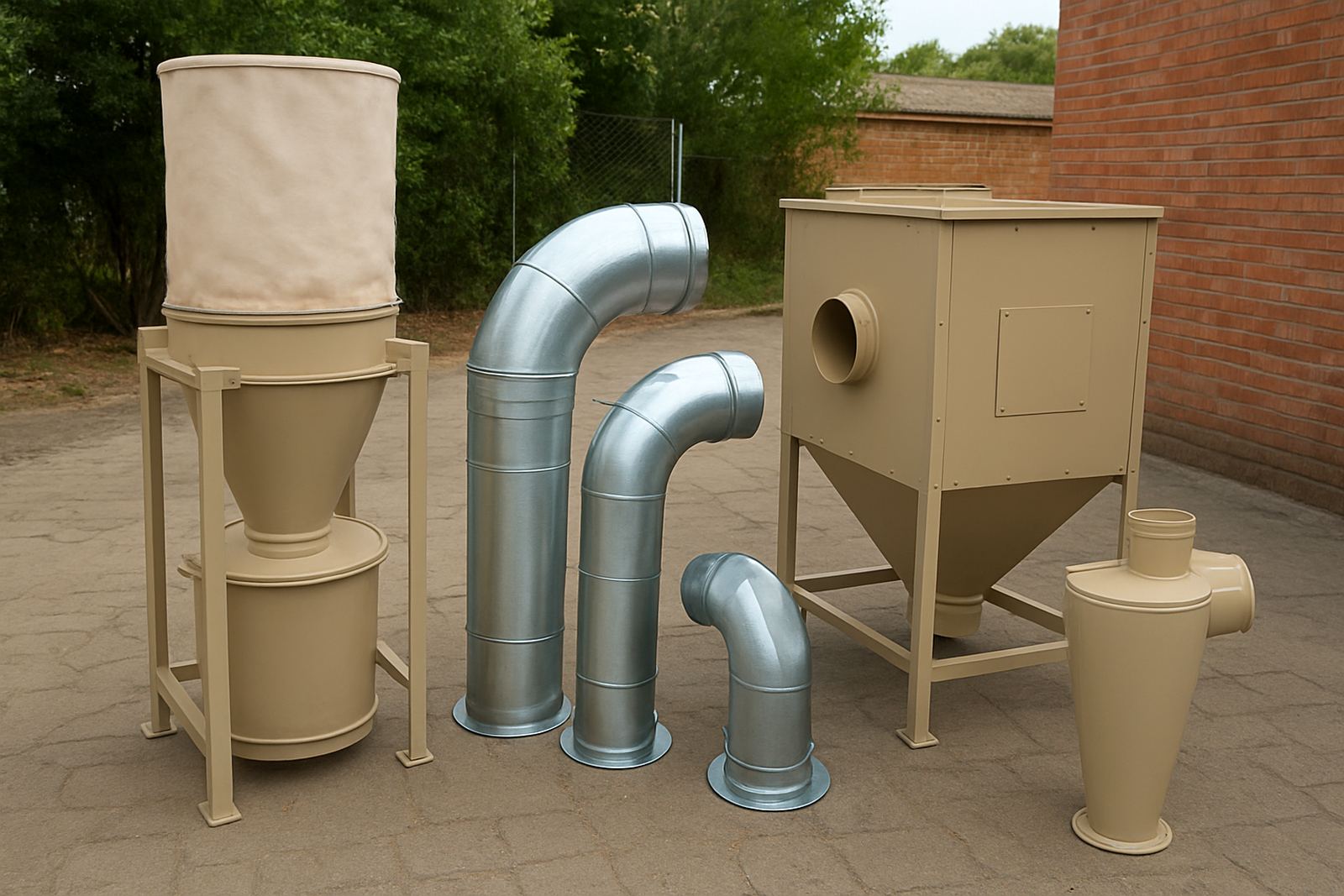
Many workshops ask for more suction when the real issue is poor airflow balance. Long duct runs, too many bends, undersized hose, and blocked filters all reduce capture. In South African conditions, fine dust can also build up quickly in summer heat or when doors stay open for ventilation, so the system must keep moving air, not just make noise.
A practical check is simple. If chips sit on the table after the cut, or if the cabinet fills with dust before the shift ends, the air path is too weak somewhere. MultiCAM installations often work better when the dust line is planned together with the machine, not added as an afterthought.
- Keep extraction ducting short, direct and free of sharp bends
- Avoid sharp bends where chips can settle
- Inspect filters and bags on a set weekly schedule
Protect the Spindle, Rails and Controller Area
Dust is not only a cleaning issue, it affects machine care. Fine particles can work into guide systems, limit cooling around the spindle, and settle in controller panels if the workshop is under pressure and cleaning gets rushed. A good dust setup reduces this risk, which means fewer stoppages and less time spent opening covers for routine clearing.
For coastal clients or businesses with high humidity, mixed dust can clump and stick more easily, so the machine needs a cleaner path around moving parts. Keep an eye on cable chains, vacuum hoses and seals, because a small leak in the wrong place turns into a regular maintenance headache.
- Wipe exposed rails and covers at the end of each shift
- Check for dust near limit switches and cable runs
- Keep the controller cabinet closed and free of loose debris
Build a Cleaning Routine the Team Will Actually Follow
The best dust system still needs a simple routine. Operators should know when to empty collection, what to inspect before power up, and who signs off on deeper cleaning at the end of the day. If the steps are too long, they get skipped when orders are late or load shedding interrupts the schedule.
A short checklist helps. Keep it posted near the machine, use plain language, and make the same person responsible for the same checks on each shift where possible. That way the workshop notices changes early, like a hose starting to leak or a filter filling faster than normal.
- Before start up, check hoses, doors and bag seals
- During the shift, watch for dust escape around the cutter
- After shut down, empty the bin and clear the table surface
Plan Dust Options During Installation or Machine Move
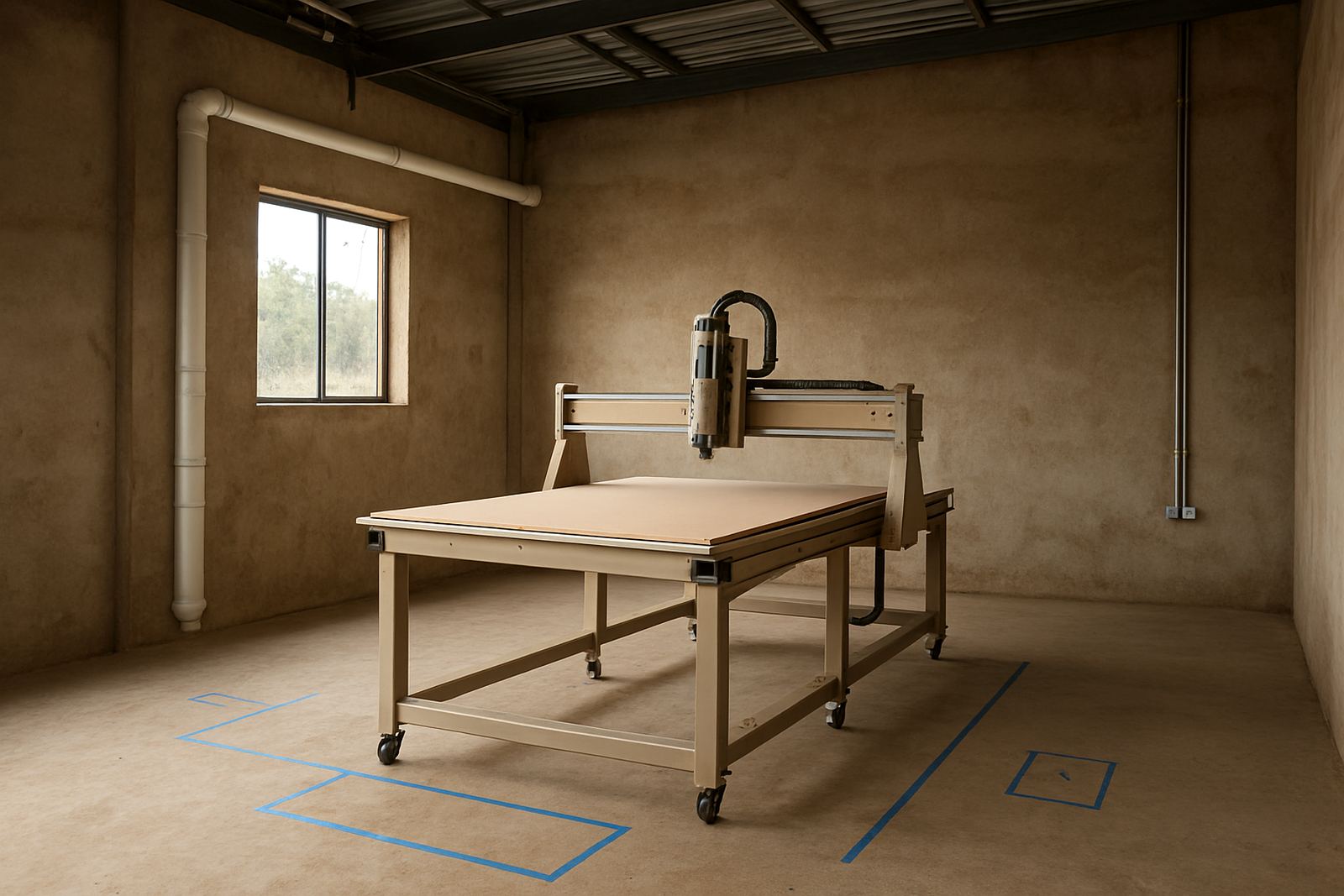
Dust collection should be part of installation, commissioning or relocation planning. A machine moved from Midrand to Durban North, or from a small workshop to a larger production bay, may need a different duct layout, different bin access, or extra balancing work on the extract line. The same applies when a shop adds a new router or shifts from flat cutting to higher volume nesting.
It helps to review machine position, ceiling height, duct length, power supply and cleaning access together. That makes operator training easier, because the team learns the right start up and shut down steps from day one, not after a week of patching around a bad layout.
- Confirm where the dust bin can be emptied safely
- Check access for maintenance around the machine and ducting
- Test the system under real cutting conditions, not idle running only