
Start with the machine you run every day
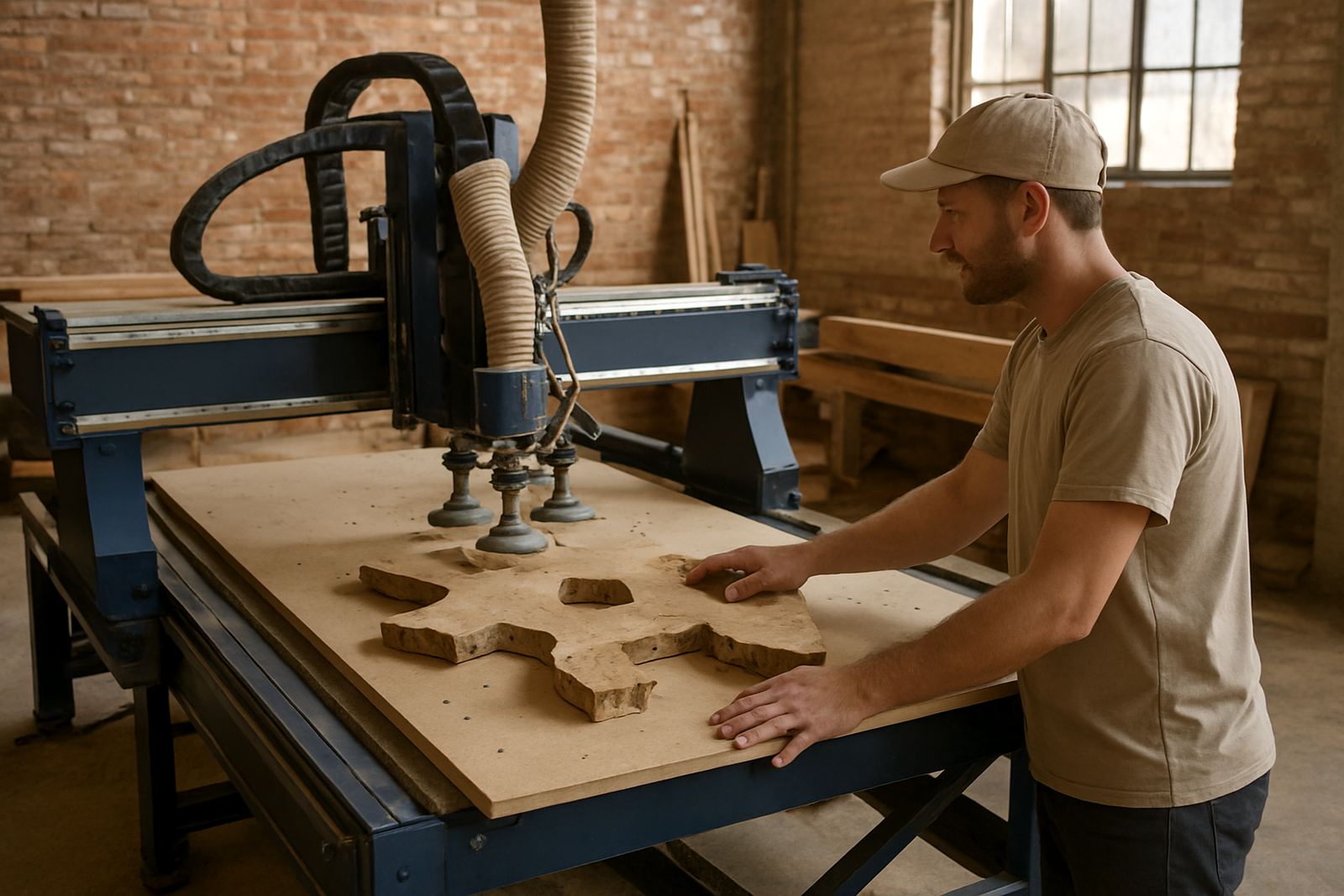
No two workshops use a router the same way, so the plan must match the machine size, cutting hours and the material mix. A sign shop cutting ACM and foam board needs a different rhythm from a furniture maker nesting plywood and MDF, and both need a different approach again if the machine runs in a dusty area or near the coast where moisture can affect bearings and electrics.
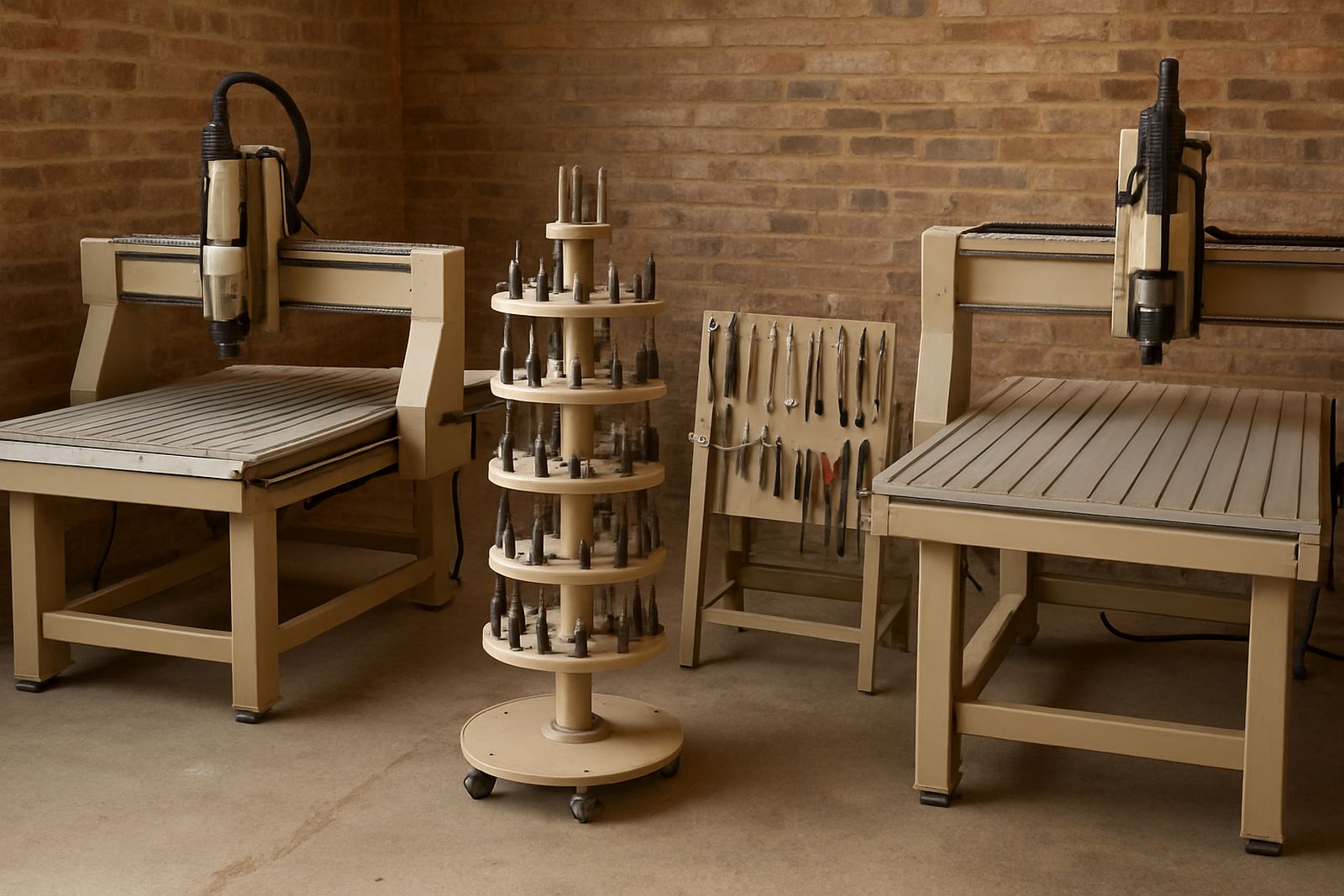
Set one person to own the routine, even if the whole team helps. That person should know when the machine was last serviced, which parts were adjusted, and what faults keep repeating. If you run more than one machine, keep separate records for each unit and note the table size, spindle type, controller settings and vacuum layout so there is no confusion later.
Daily checks before the first cut
The best maintenance plan starts before power up. A quick inspection takes only a few minutes, but it can prevent broken tooling, failed sheets and wasted time. Keep the checks plain and repeat them the same way every morning.
- Check belts and clamps daily and clear chips from rails, guides and the table.
- Inspect the spindle area for dust build-up, loose fittings or unusual marks.
- Confirm that the vacuum table seals are intact and that suction zones are working.
- Look at tooling for chips, wear or resin build-up before loading the next job.
- Test emergency stops, door interlocks and limit switches if your machine uses them.
If anything sounds rough or smells hot, stop and inspect. A machine that starts well should still sound the same by mid morning, so train operators to notice changes early.
Weekly care that keeps production steady
Weekly tasks are where many workshops lose track. They are easy to postpone, but they make a big difference when the machine is running long nesting jobs or tight sign work. Use a set day, then tick off each item before the team leaves for the afternoon.
- Wipe down exposed ways and moving parts with the correct cleaner.
- Drain water traps and check air lines for leaks or kinks.
- Inspect the dust extraction hose, blast gates and collection drums.
- Check tool holders, collets and inserts for wear.
- Back up recent controller data and job files if the system stores them locally.
For workshops with load shedding or unstable power, also check the UPS or control backup arrangement. Sudden power loss can corrupt files or leave the machine in an odd state, so it helps to know the shutdown routine by heart.
Monthly service tasks to book into the diary
Monthly maintenance should be a proper check, not just a glance. This is the time to look deeper into the moving parts and test the systems that do not show trouble every day. If your workshop works long shifts or runs heavy boards, do not stretch the interval too far.
Monthly tasks usually include spindle condition checks, vacuum leak testing, lubrication where required, alignment inspection and controller backup verification. On machines that cut soft metals, the guides and table need extra attention because fine chips can travel farther and contaminate areas that are meant to stay clean. In humid coastal conditions, also look for early signs of surface rust and check that cabinets are sealed properly.
If you hear a change in spindle noise, notice poor edge finish or find the machine losing grip on sheets, treat it as a service warning rather than a small irritation. Small issues often point to air, vacuum or tooling trouble, and they usually get more costly if ignored.
Record keeping that helps the next service
A maintenance log is worth more than memory. When a technician arrives, the log should show what happened, when it happened and what was done about it. That saves time and helps the workshop spot repeat faults before they become shutdowns.
Keep the notes short and practical. Record the date, operator, machine hours, fault description, fix applied and any parts replaced. Add the material being cut, because dust from MDF, plywood, plastics and aluminium behaves differently and can explain a lot. If the machine moves between sites or gets relocated, include that too because transport often changes alignment.
- Date and running hours
- Alarm codes or error messages
- Tool used and material cut
- Spindle speed and feed changes
- What was cleaned, adjusted or replaced
When to call for service instead of pushing on
Some problems are safe to watch, others are not. If the machine loses accuracy, cuts begin to wander, the vacuum drops off suddenly, or the spindle runs hotter than normal, bring in support sooner rather than later. The same goes for recurring controller faults, repeated limit switch errors and any electrical issue that trips the system more than once.
A workshop should not keep cutting just because the day is busy. If a machine is damaging sheets or leaving the same edge fault on several jobs, stopping for inspection usually costs less than rework. For teams in Germiston, Johannesburg East, Midrand, Pretoria East, Durban North or Cape Town North, local support is there to help with diagnostics, maintenance visits and operator refreshers.
A simple routine your team can follow
Good maintenance works best when it is easy to follow. Keep the checklist near the machine, put the service dates on the noticeboard and train every operator on the same steps. If one person is absent, the routine should still carry on without guesswork.
Use this order as a base: daily clean down, weekly checks, monthly inspection, then planned service when hours or wear say it is due. That keeps the machine ready for the next job and helps your team work with fewer interruptions. A calm routine is usually the best protection against expensive downtime.