What a foam cutting router does in day to day production
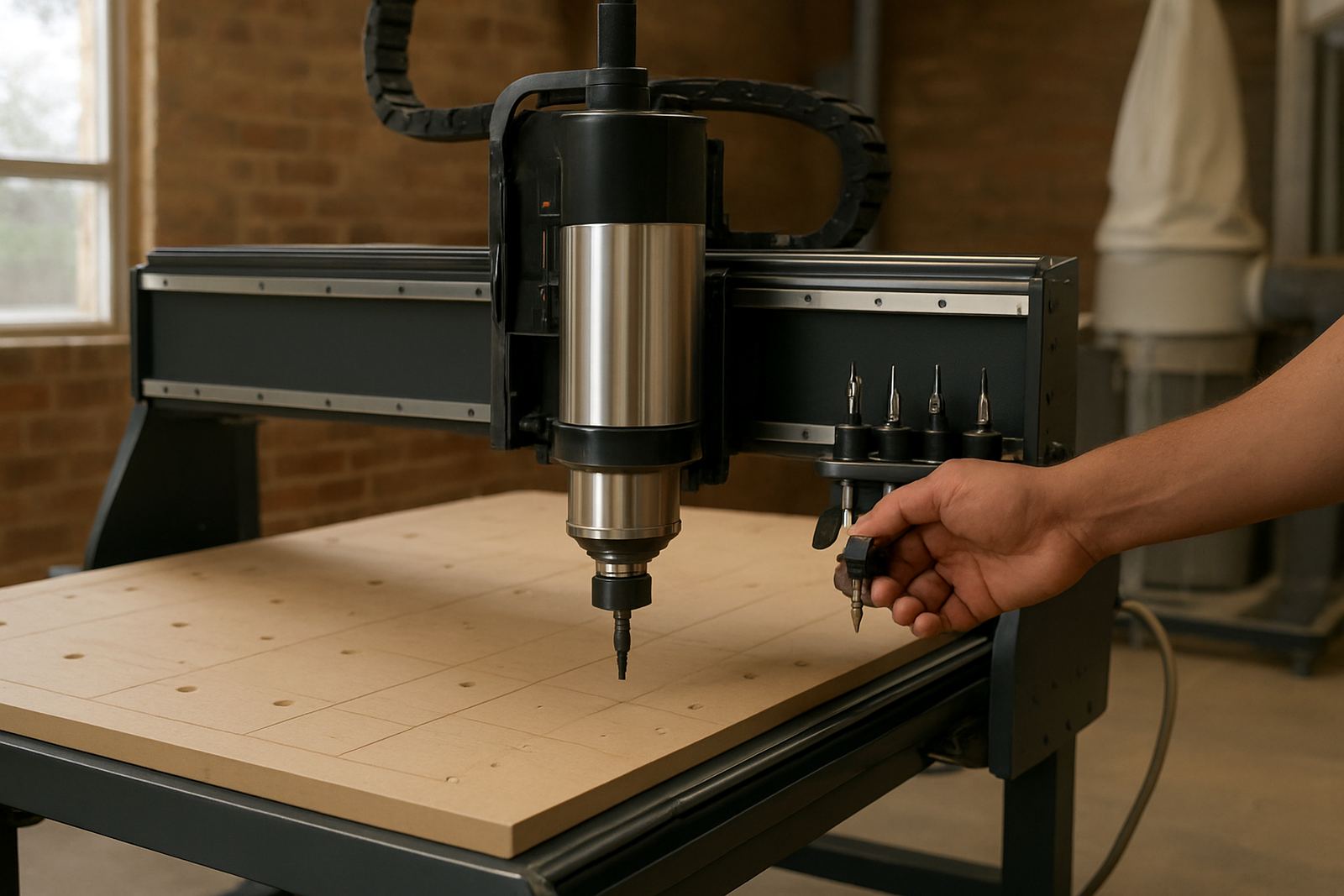
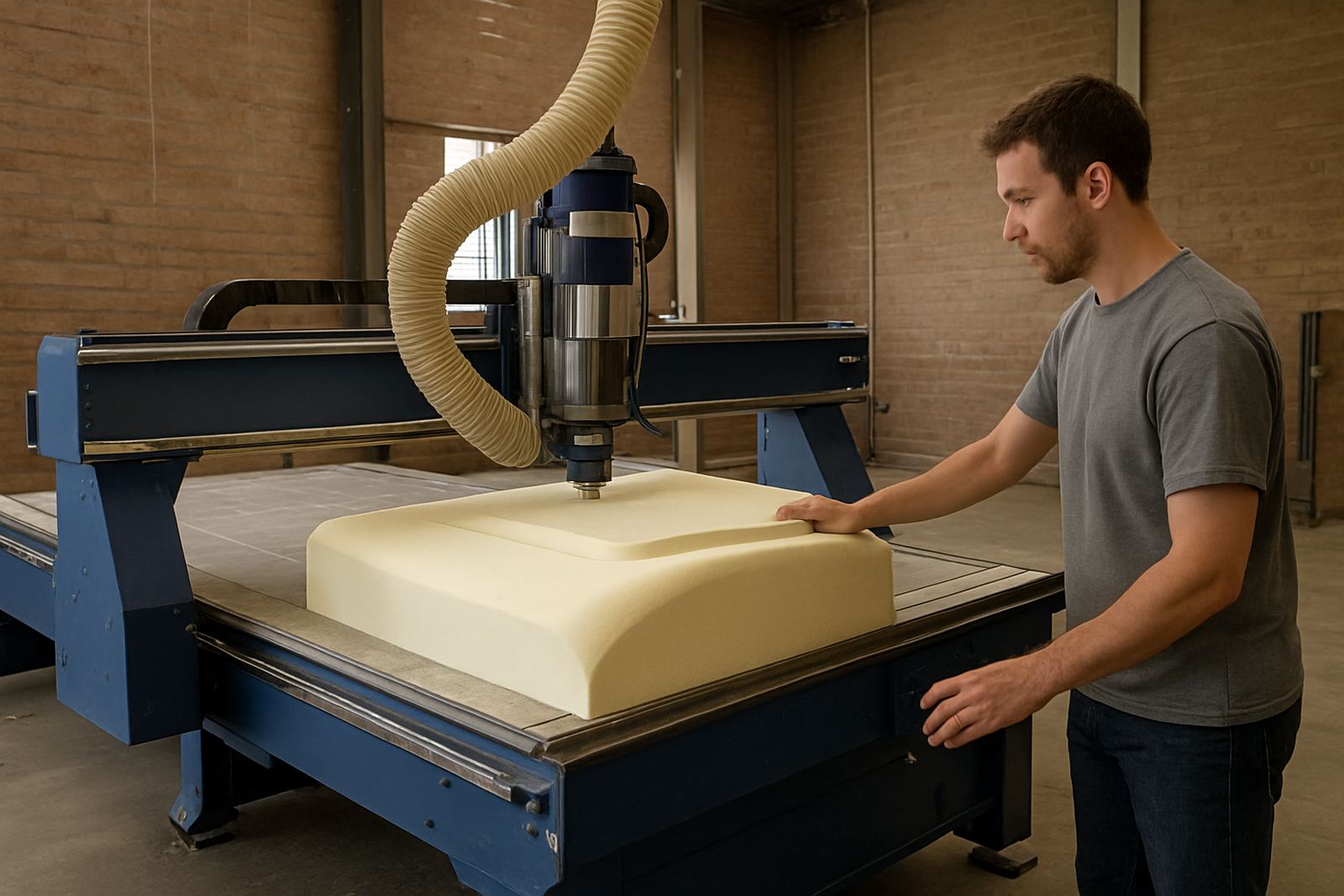
This machine is made for routing foam into patterns, packaging inserts, prototype forms, display elements and shaped components where clean edges matter. It is commonly used on polyurethane foam, expanded polystyrene, PVC foam board and other light materials that can be cut with a controlled spindle and the right feed settings. For teams working from drawings, it gives a proper route from file to finished part with fewer knife marks and less manual finishing.
In Johannesburg workshops and coastal sites alike, the main gain is consistency. One operator can repeat the same shape many times, while keeping parts square enough for glue-up, laminating or fitting into frames. If you produce display pieces for retail, theatre sets, or furniture mock-ups, the router helps you keep tolerances sensible and the work moving.
- Good for nested sheet cutting and shaped profiles
- Suitable for light production, sampling and short runs
- Reduces hand cutting time on repeat parts
Sizes and table options for foam, boards and large sheets
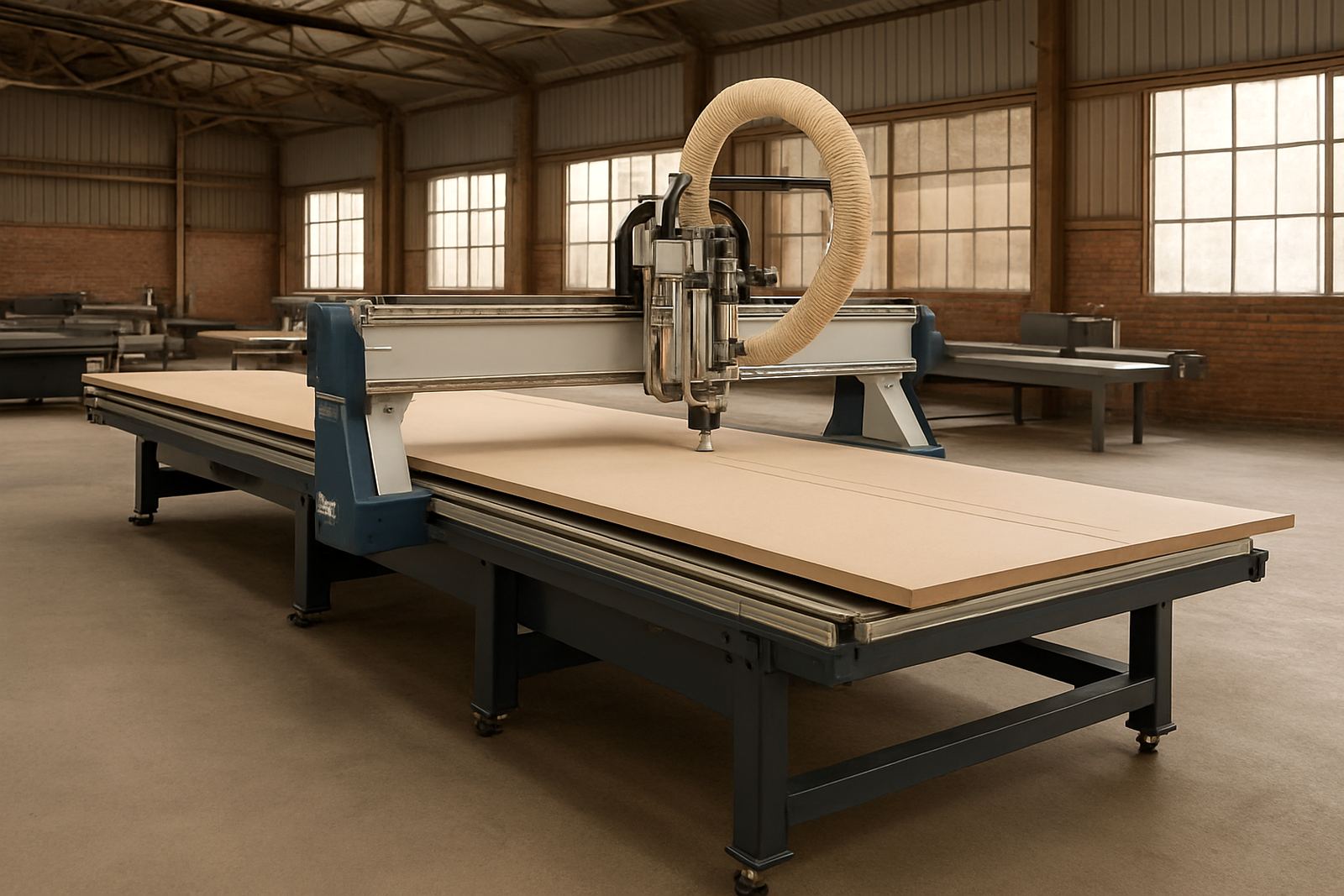
Foam work can be small and fiddly, or it can involve full sheets that need room to lay out properly. MultiCAM can assist with entry level routing tables through to larger formats for production work. The main choice is the working area, because that decides how many parts you can place on a sheet and how much handling your team must do.
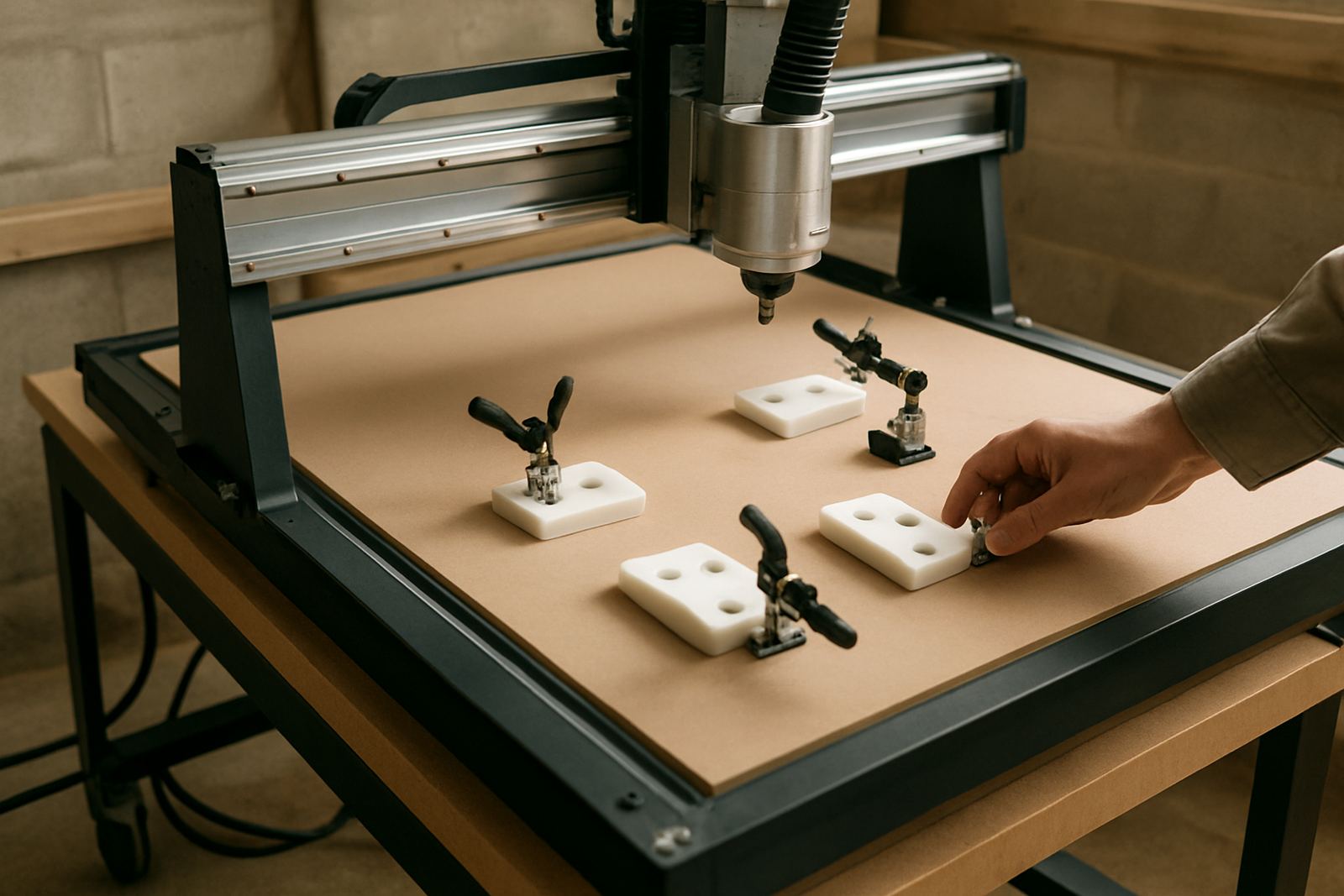
Popular table sizes include 1 300 x 2 500 mm for smaller workshop flow, 1 500 x 3 000 mm for common sheet sizes and larger beds for higher output or oversized display components. Vacuum hold-down is useful on flat foam board and lighter sheet materials, while a spoilboard table can suit workshops that want simple clamping and flexible support. On humid coastal sites, table and dust set-up should be checked carefully so the material stays flat and the machine keeps clean.
- Working areas available for small, medium and production set-ups
- Vacuum table or spoilboard options depending on material and output
- Single spindle and higher duty machine choices for different workshop loads
Best fit applications for fabricators and display teams
This product suits workshops that need shaped parts rather than heavy milling. Sign shops use it for dimensional letters, display plinths and presentation panels. Furniture makers use it for foam forms, templates and model work. Fabricators use it for packaging inserts, jigs and light pattern pieces before moving into the main build. It is also handy for schools, prop makers and shops doing custom one-off work where speed and repeatability matter.
Where it really helps is in mixed job environments. A workshop may cut foam in the morning, then move to plastic sheets or light board after lunch, so the machine must be set up in a way that keeps changeover simple. If your team works near load-shedding or runs on a generator, planning the cutting schedule and controller shut-down process becomes part of the workflow. That avoids scrap and protects the spindle and controller.
- Sign shops and display fabricators
- Furniture pattern and prototype departments
- Prop, model and packaging insert work
Installation, power and workshop requirements
Proper installation makes a real difference to foam routing, even though the material is light. The machine should sit on a level floor with enough clearance for sheet loading, operator movement and dust extraction. A clean electrical supply is important, and many workshops choose surge protection and a controlled shutdown plan because unexpected outages can interrupt a job halfway through. If you are on unstable supply, ask for practical advice before the machine is moved into place.
Most routers need a suitable single or three phase supply depending on the model, with the spindle, vacuum system and extraction all considered together. Dust control matters because foam chips and fine particles build up quickly around the table and guides. In some shops compressed air is used for clearing and tool area assistance, but the exact need depends on the machine specification. We also check access doors, floor loading, lifting points and the route into the workshop before installation day, so there are fewer delays and no last minute surprises.
- Level floor, clear access and enough space for sheet handling
- Electrical supply matched to spindle and vacuum requirements
- Dust extraction and chip control planned for the full work area
Care, servicing and tool choices that keep cuts clean
Foam looks soft, but a router still needs proper care. Dust and static build-up can affect rails, bearings and the table if the machine is not cleaned regularly. Tool choice also matters. A cutter that works well on board may not suit every foam density, so the spindle speed, feed rate and flute style need to be matched to the job. Getting that right saves time and also reduces torn edges on delicate parts.
MultiCAM support includes preventive maintenance, spindle service, vacuum leak checks, controller backups and operator training. That support is useful for workshops that want to keep production predictable instead of reacting after a breakdown. On busy sites, a simple weekly clean and a scheduled service plan can prevent alot of small issues from turning into downtime. If your team is new to CNC routing, practical training around zeroing, nesting and safe tool change routines is worth the effort.
- Keep rails, table surfaces and extraction points clean
- Match cutter style and spindle settings to foam density
- Plan scheduled maintenance before peak production periods
What to check before you order a foam cutting router
Before placing an order, it helps to be clear about the foam types you cut, the average sheet size, the thickness range and the daily output you expect. If you only make occasional prototypes, you may not need the same table or vacuum system as a shop that cuts every day. You should also think about how files arrive, who runs the machine and whether the operator needs training on nesting, tool offsets and safe start-up routines.
It is also worth checking the local service plan. Germiston base support is useful for Johannesburg East and surrounding areas, while branches and service areas in Midrand, Pretoria East, Durban North and Cape Town North help with wider coverage. Ask about machine relocation, dust system balancing and spare parts access if you are moving premises or expanding. Good planning at the start keeps the machine useful for years, not just weeks.
- Sheet size, foam type and daily production volume
- Power supply, extraction and floor space at the site
- Training, service coverage and future expansion needs
Key facts
| Machine type | CNC foam cutting router for shaped parts and light production work |
|---|---|
| Typical working areas | 1 300 x 2 500 mm, 1 500 x 3 000 mm and larger on request |
| Material range | Rigid foam, soft foam, PVC foam board and other light sheet materials |
| Hold-down options | Vacuum table or spoilboard with clamping, depending on the model |
| Support services | Installation, commissioning, maintenance, spindle service and operator training |
| Location coverage | Germiston base with support across Johannesburg, Pretoria, Durban and Cape Town |