Built for daily nesting and repeat parts
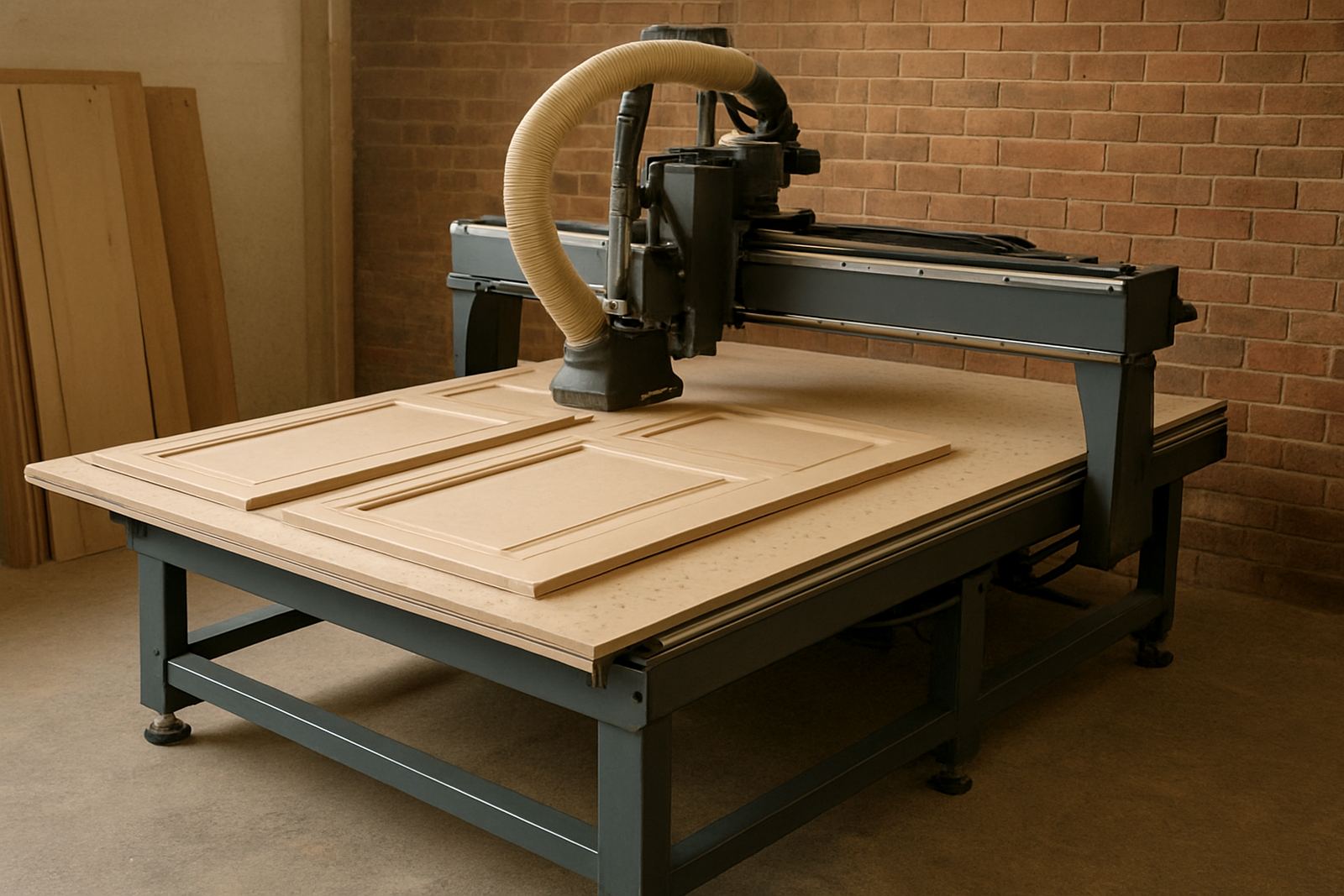
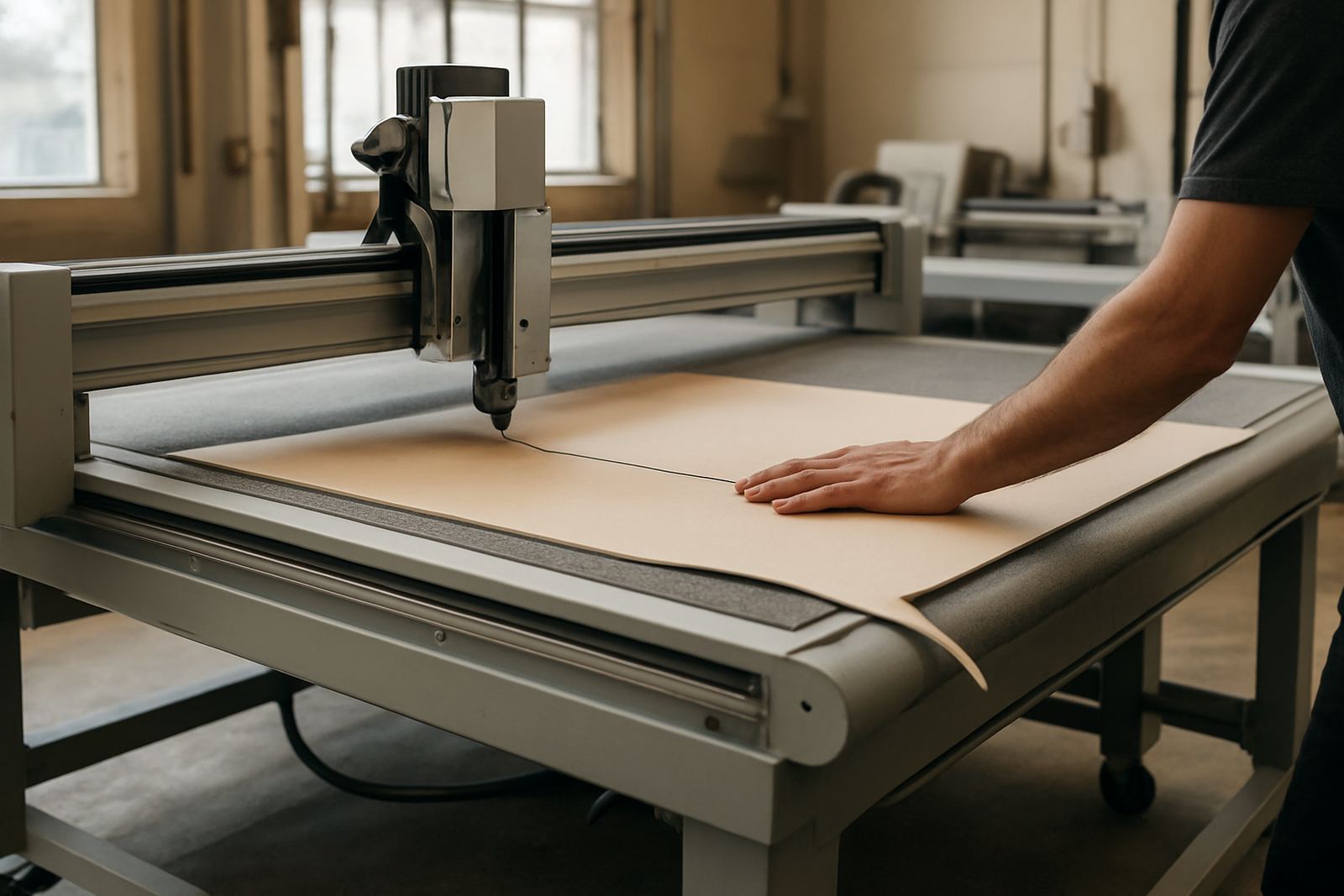
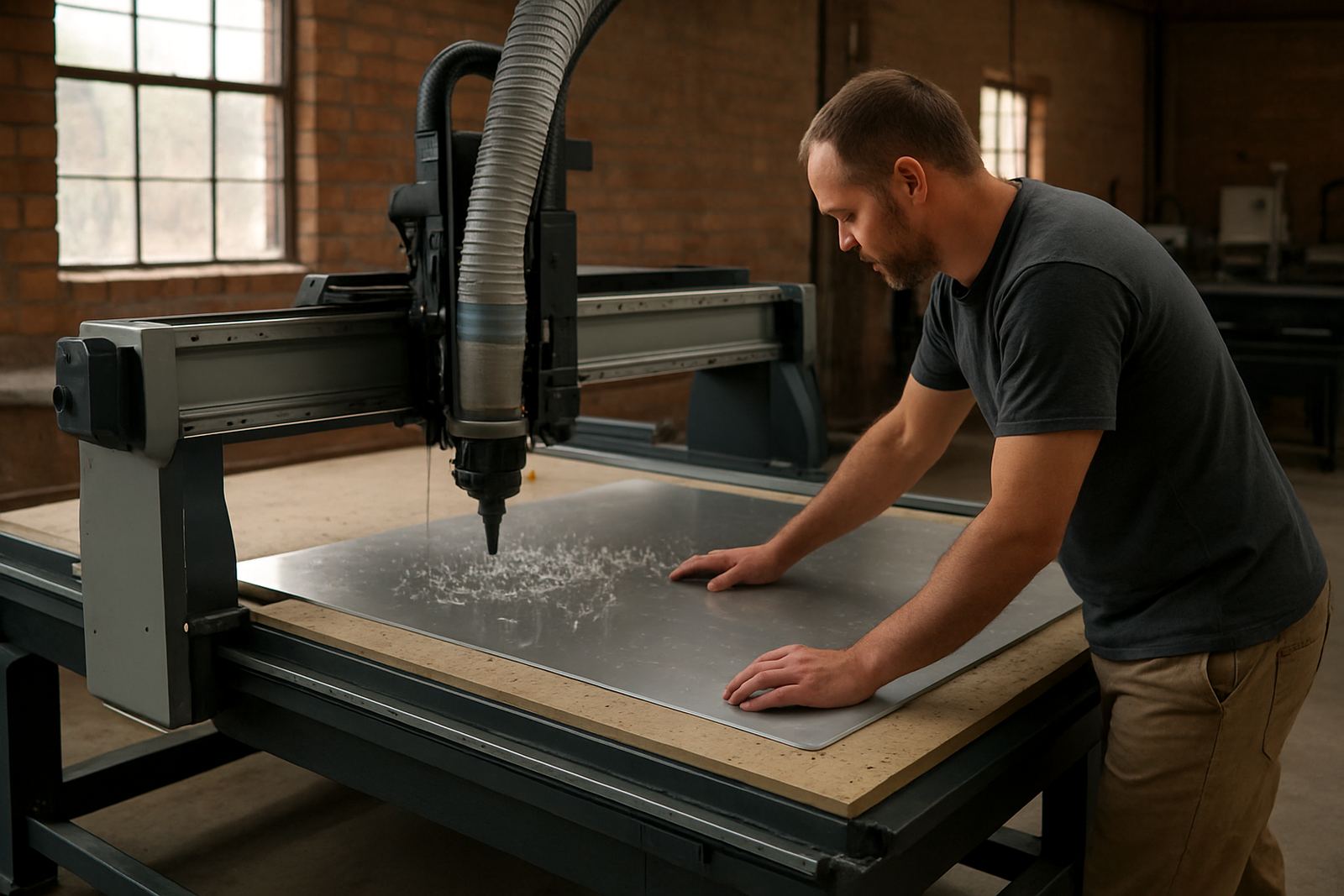
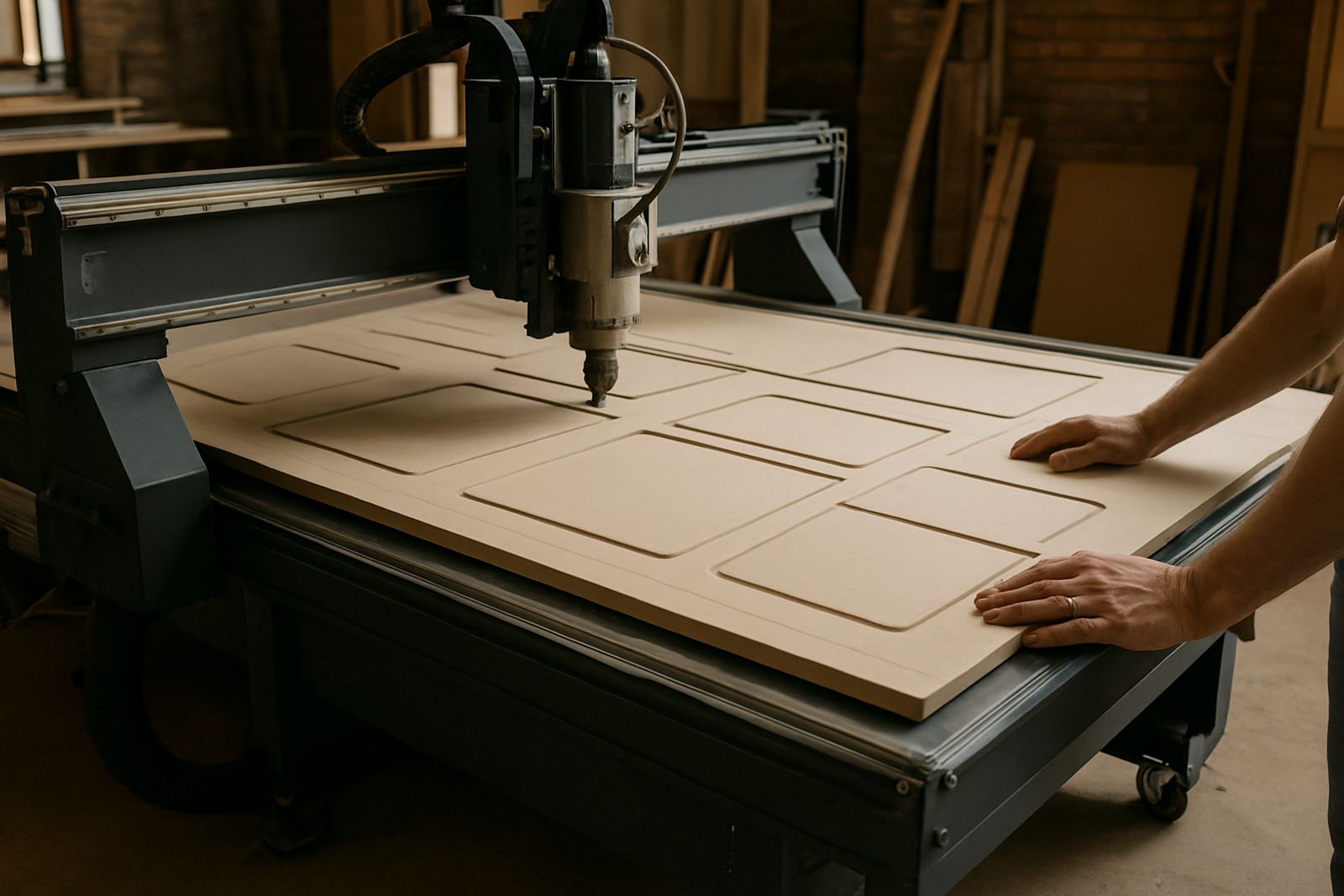
A production CNC router is a higher-output cutting machine made for workshops that run the same parts many times, or large sheets every day. It is used for nesting cabinet parts, signage panels, display components, templates and light aluminium work where accuracy and cycle time matter. The aim is simple: get drawings into cut parts with less manual handling and fewer mistakes.
In a busy Johannesburg, Durban or Cape Town workshop this type of router needs to keep pace with shift work, fluctuating power and dust. MultiCAM helps you choose a machine that matches your sheet sizes, tool changes, vacuum hold-down needs and operator skill level, so the machine fits the job instead of slowing it down.
- Suited to MDF, plywood, board, acrylic, PVC, foam board and soft aluminium
- Good for nesting, panel cutting, sign blanks and repeated production runs
- Available with table sizes and control options matched to local workshop space
Table sizes, axes and practical options
Production routers are commonly set up with a 3-axis cutting head for flat sheet work, with larger tables for standard boards and oversize panels. Typical working areas range from around 1,300 x 2,500 mm through to 2,100 x 3,100 mm and larger, depending on the workshop layout and the sheets you buy locally. For many furniture makers, a full 4 x 8 foot board size is the starting point, but some signage teams prefer wider formats for fewer joins.
Options usually include a vacuum table, zone control, automatic tool change, dust skirt, spoilboard surfacing and router spindle power matched to the material. If you cut a lot of nested parts, a vacuum table and proper leak control are worth more than extra speed on paper. Stefan and the technical team will usually ask what you cut in a normal week before recommending the final setup.
- Working areas for common sheet sizes and oversize formats
- Vacuum hold-down with zoning for mixed part layouts
- Tool change and control options for single shift or longer production days
Where the machine suits best
This machine suits furniture makers, shopfitters, sign shops, packaging workshops, joinery teams and fabrication businesses that need repeatable part output. It is also a practical choice where labour is limited and the team wants less hand routing, cleaner edges and better use of board material. In smaller shops, one production router can replace several manual cutting steps if the workflow is set up properly.
For coastal workshops, corrosion control and dust extraction matter just as much as accuracy. Humid air in places like Durban North or Cape Town North can affect tool life, electrical cabinets and compressed air, so the installation plan should include ventilation and regular checks. A machine that is easy to service is usually the better long term choice, even if the first quote is not the lowest.
- Furniture and cabinet nesting
- Signage and display panel cutting
- Soft metal and plastic component work
- Workshop teams moving from manual routing to CNC production
Power, air and site preparation in South Africa
Before installation, the site should be checked for floor space, level access, power supply and extraction routing. Many production routers run on 3-phase power, and the exact requirement depends on spindle size, vacuum pump setup and any auxiliary systems. If the workshop is in an area with load-shedding or unstable supply, we recommend planning for proper shutdowns and controller backups rather than guessing later.
Some setups also need compressed air for tool release, cleaning or certain table functions, so the air line must be dry and reliable. If the workshop has a generator or inverter backup, Stefan can confirm whether it covers the machine start-up load and table systems. A clean, dry machine room with enough space around the table makes day to day work easier, especially when sheets are moved with trolleys or forklifts.
- 3-phase power is common, with load checks done before delivery
- Vacuum pumps and dust extraction need their own space and clear routing
- Air supply should be dry, filtered and sized for the machine duties
Care, servicing and workshop uptime
Like any production machine, a CNC router works best when it is kept clean and checked on time. Dust buildup, loose vacuum lines and worn cutters can all affect part quality. Regular care should include spindle checks, table cleaning, vacuum leak checks, controller backups and inspection of cables, limit switches and bearings. If a machine starts to cut poorly, the first issue is not always software, it can be hold-down, tooling or a worn component.
MultiCAM offers preventive maintenance, spindle service, dust system balancing and machine commissioning for workshops that want fewer stoppages. On sites with long production runs, a simple monthly routine helps catch problems early. That might include checking spoilboard condition, confirming cutter length, listening for spindle noise and making sure the extraction is pulling correctly. It sounds basic but it saves a lot of downtime.
- Preventive maintenance for regular production sites
- Spindle service and vacuum leak checks
- Controller backups and operator refresher training
What to check before you order
When ordering a production CNC router, it helps to be specific about the work you want to cut. Bring sample drawings, sheet sizes, material thicknesses and your expected daily output. If you are nesting boards for cabinetry, say how many sheets you process in a day and whether the parts need drilling, pocketing or edge profiling. If you need soft metal cutting, the feed rates and tooling choices are different to timber work.
It is also worth confirming access for delivery and installation, because Germiston industrial sites, basement workshops and tight factory yards can all create issues on the day. MultiCAM can assist with machine relocation, commissioning and operator training after installation, so the team can start safely and keep the machine working properly. A clear handover saves a lot of confusion later.
- Share drawings, sheet sizes and the main material list
- Confirm power, extraction, air and floor access before delivery
- Ask about tooling, spoilboards, service access and training needs
Key facts
| Machine type | Production CNC router for nesting and repeat part cutting |
|---|---|
| Typical working area | From about 1,300 x 2,500 mm to 2,100 x 3,100 mm and larger |
| Materials | MDF, plywood, board, acrylic, PVC, foam board and soft aluminium |
| Power supply | Commonly 3-phase, final requirement depends on spindle and vacuum setup |
| Table options | Vacuum table, zoning, spoilboard and surfacing setup |
| Support | Installation, commissioning, maintenance, tool setup, backups and training |