Routing aluminium without turning it into a fight
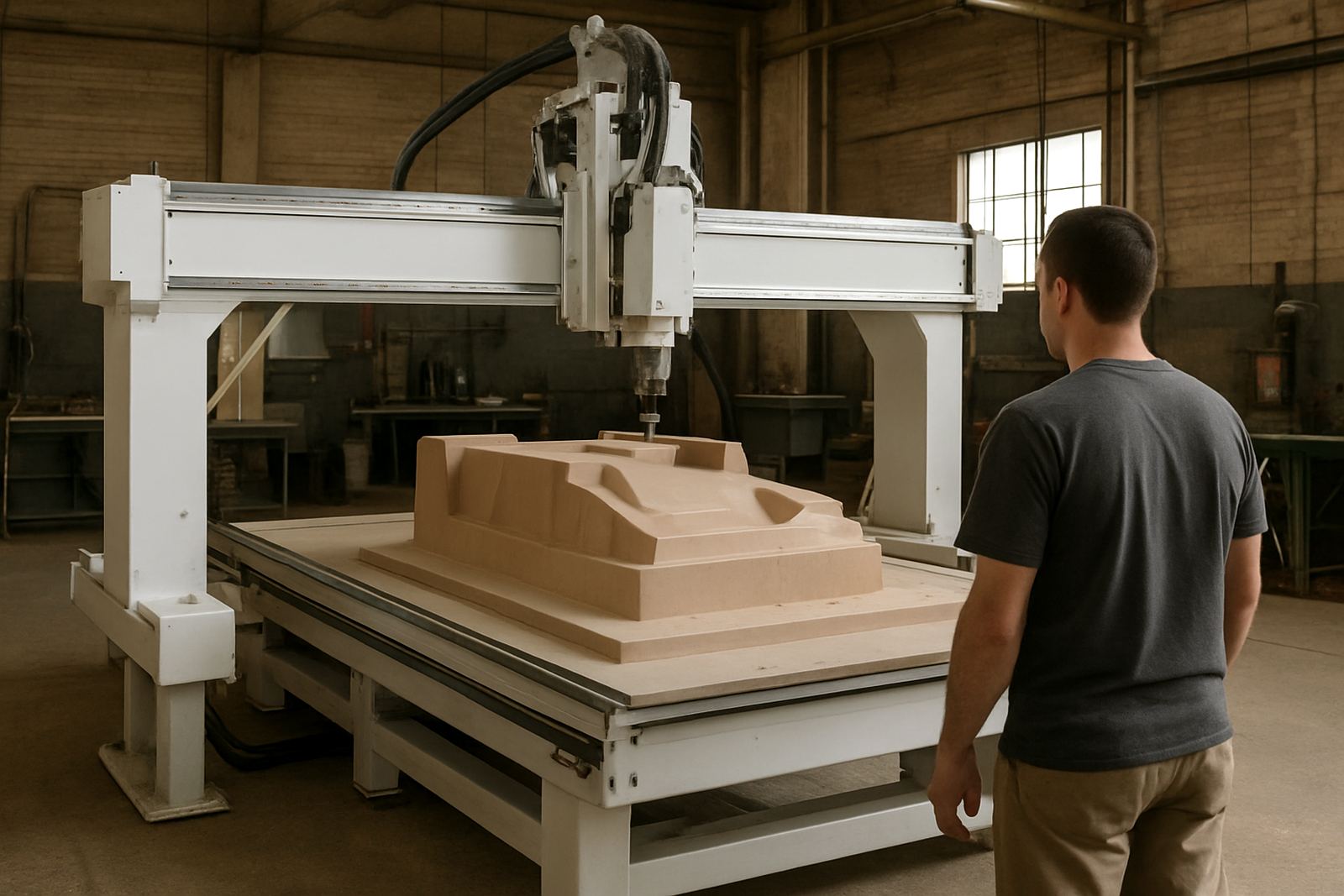
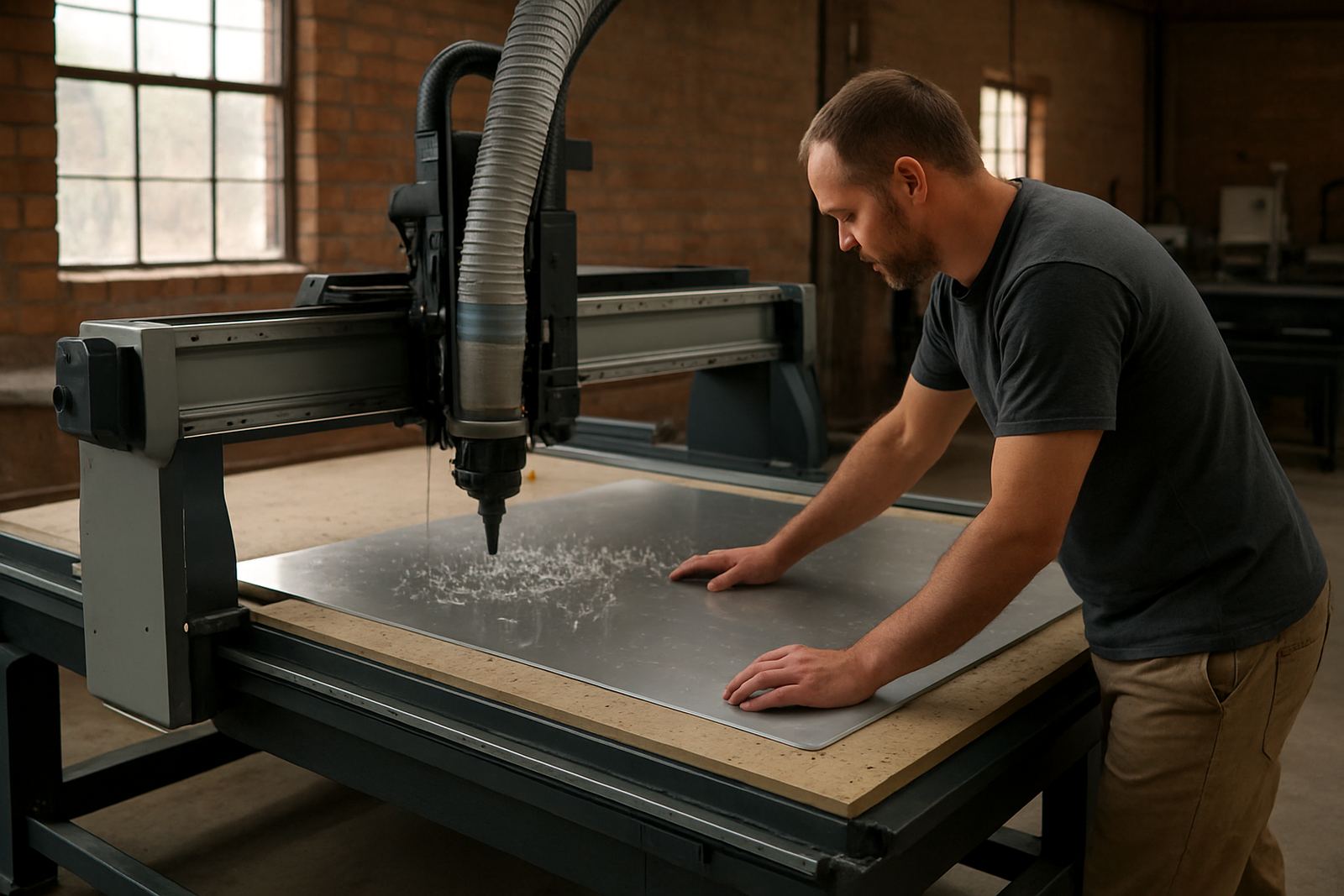
A soft metal router is set up to cut materials such as aluminium sheet, aluminium composite panels and other light non-ferrous work with more control than a general purpose wood router. The aim is to hold feed, spindle speed and chip clearing steady so the tool cuts cleanly instead of rubbing and heating the job. That matters when you are making sign panels, machine guards, name plates, brackets and light fabriction parts where edge finish counts.
For Johannesburg and other inland workshops, heat and dust can build quickly in a busy room, so the machine needs sensible extraction, a clean table and tooling that matches the job. In coastal areas, humidity can affect stored tooling and electrical cabinets, so routine care is not optional. The right setup keeps aluminium chips moving out of the cut and reduces rework, tool wear and chatter.
Sizes, table options and working area choices
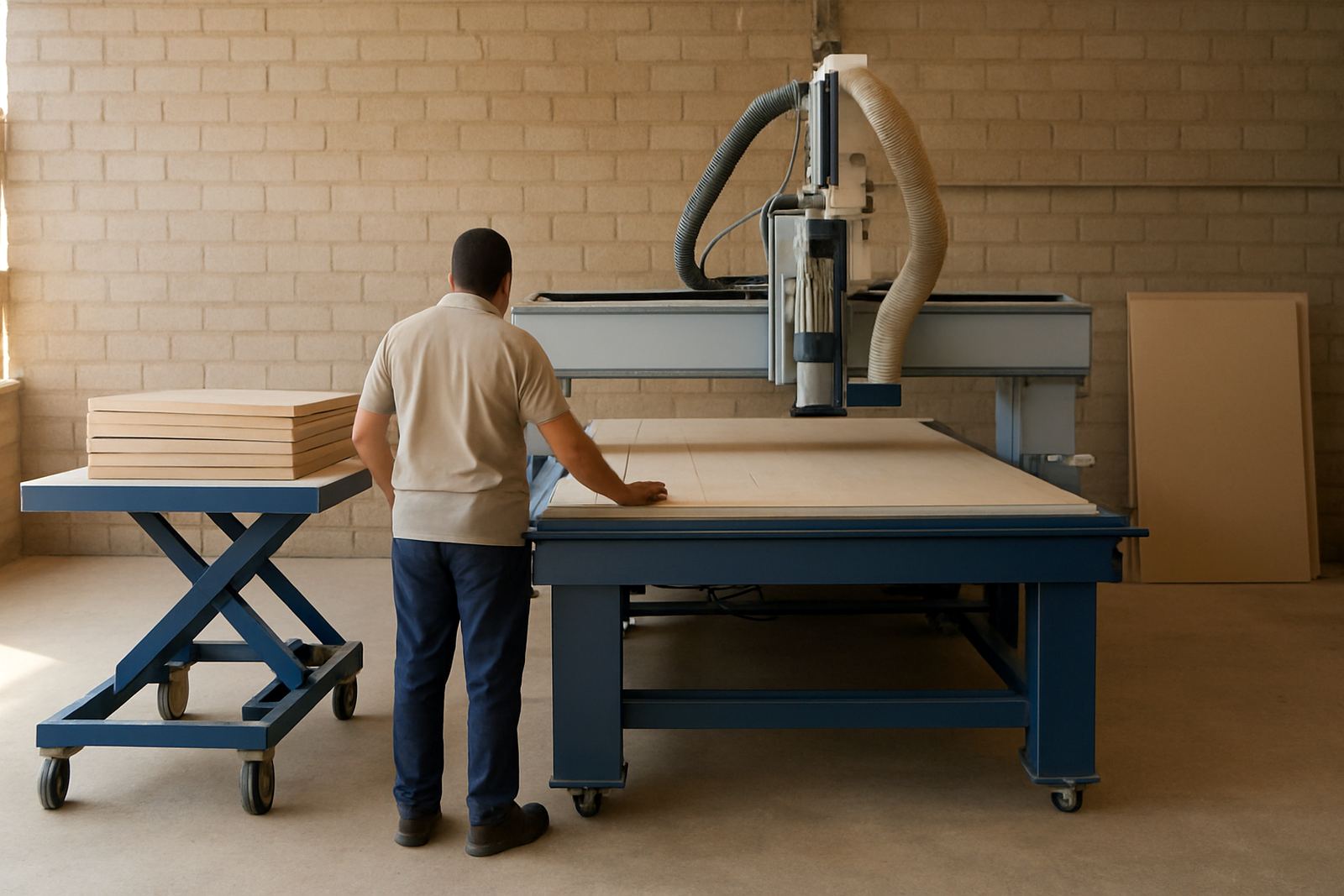
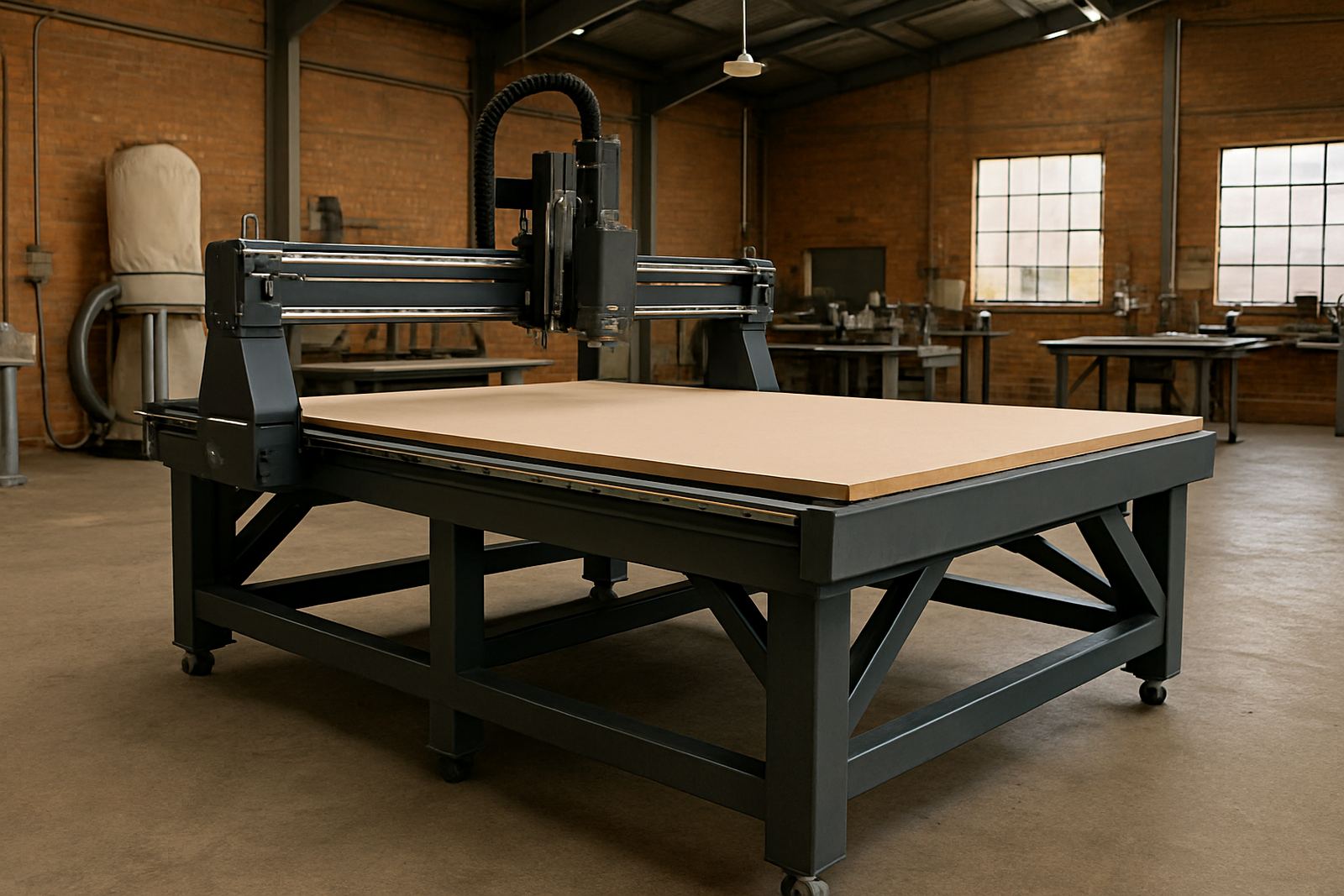
Soft metal routers are usually selected by sheet size, daily output and the kind of parts your team nests. Entry units suit smaller sign shops and prototype rooms, while larger beds are better for production work where you want full-sheet nesting and fewer repositioning steps. Common working areas include compact format tables, 1300 x 2500 mm class machines and larger 1500 x 3000 mm layouts for high volume panel work.
Table choice matters just as much as cutting size. Vacuum tables work well on flat sheet and repetitive nesting, while a hybrid spoilboard and vacuum setup gives more flexibility for mixed work. If you cut both aluminium and non-metal materials, ask for a table arrangement that makes changeover simple and keeps hold-down practical. The wrong table can cost hours over a week, especially when operators are switching jobs often.
- Compact routers for small sign and light fabrication shops
- Mid-size nested sheet machines for regular aluminium panel work
- Larger production cells for repeat parts and batch cutting
- Vacuum, spoilboard or hybrid table options depending on the job mix
Where this machine suits best
This machine suits sign shops, fabricators, panel builders, exhibition stands, cabinet makers using aluminium accents and maintenance teams that need repeatable parts. It is also useful for workshops that want to cut soft metal components in house instead of sending every small run out to a subcontractor. That can shorten lead times and help with urgent municipal or site work where deadlines shift.
Because the machine is focused on soft metal cutting, it is best for aluminium sheet and similar applications rather than heavy steel or deep structural machining. Shops in industrial areas such as Germiston, Midrand, Pretoria East, Durban North and Cape Town North often use this class of router for mixed production rooms where dust control, noise and power use need to be managed carefully. If you need cleaner output on aluminium, this type of machine is usually a better fit than forcing a timber router to do the same job.
Installation, power and workshop requirements
Before installation, the floor should be level enough for stable table movement and the route into the building should allow safe unloading. Most workshops will need three phase power, proper earthing and a dedicated isolator, though exact requirements depend on the machine size and spindle specification. Compressed air is often needed for tool cleaning, hold-down assistance or certain accessories, and a stable dust extraction arrangement is strongly recommended to keep chips under control.
Plan for cable runs, extraction ducting and enough space around the table for loading sheets and changing tools. Power quality matters in South Africa, especially where load-shedding, surges or unstable supply can upset electronics, so backup and protection should be discussed during commissioning. A good install also includes controller backups, homing checks and test cuts before the machine is handed over, not afterwards.
- Level floor and clear access for delivery
- Three phase supply and proper earthing where specified
- Compressed air for cleaning and selected accessories
- Dust extraction or chip collection for cleaner cutting
- Voltage protection and backup planning for local supply conditions
Care, servicing and keeping cut quality steady
Soft metal cutting asks more from the spindle, tooling and extraction than many shops expect. Aluminium chips are sharp and can pack into spoilboards, vacuum channels and around guide components if the room is not cleaned properly. Regular preventive maintenance should cover spindle condition, lubrication where applicable, vacuum leak checks, controller backups and inspection of belts, bearings and cable chains. A small issue ignored for two weeks can turn into a bigger one, quickly.
Tooling setup also makes a clear difference. Flutes, chip load and feed settings must suit the material thickness and finish you want. Operators should know how to check cutter wear, listen for chatter and stop before the finish goes rough. A service plan that includes spindle service, machine commissioning and operator training helps keep output more consistent and reduces the chance of scrap from avoidable settings mistakes.
What to check before you order
When you are choosing a soft metal router, start with the material you cut most often, the biggest sheet size you handle, and the finish you need on the part edge. Then check whether you need automatic tool change, a more powerful spindle, better vacuum, or a table that can handle both aluminium and mixed materials. If the workshop has tight space, measure door widths, loading access and the turning room for sheet handling.
It helps to prepare a clear list before quoting so the machine can be matched to your actual work, not just the brochure size. Make sure you cover output levels, power availability, dust extraction, operator skill level and whether relocation may be needed later. Ask about tooling setup, spare parts, controller backups and commissioning, because the machine is only useful when it is ready to cut on day one.
- Material type and sheet thickness
- Largest part size and sheet size
- Daily production volume and shift pattern
- Power supply, air supply and extraction available
- Need for tool change, vacuum table or special hold-down
- Plans for training, relocation or future expansion
Support from Germiston and installs nationwide
From the Germiston base, MultiCAM supports installations and service work across South Africa, with local help available in Johannesburg East, Midrand, Pretoria East, Durban North and Cape Town North. The team can assist with machine installation, commissioning, preventive maintenance, spindle service, vacuum leak checks, controller backups, operator training, tooling setup, machine relocation and dust system balancing. That support matters when a workshop needs to keep cutting, not wait for weeks.
For soft metal users, the value is often in the practical details: setting the machine up correctly, checking the tools, and making sure the first jobs run cleanly. With the right configuration and steady follow-up, a soft metal router can slot into an existing shop without forcing a full process change. It should feel like a controlled part of the workshop, not another problem to manage.
Key facts
| Working area | Compact, 1300 x 2500 mm and 1500 x 3000 mm options |
|---|---|
| Primary materials | Aluminium sheet, aluminium composite panels and other soft metals |
| Table types | Vacuum, spoilboard or hybrid table options |
| Power supply | Three phase supply usually required, final spec depends on machine size |
| Air requirement | Compressed air recommended for cleaning and selected accessories |
| Support options | Installation, commissioning, training, maintenance and relocation |