What a raised gantry router does in the workshop
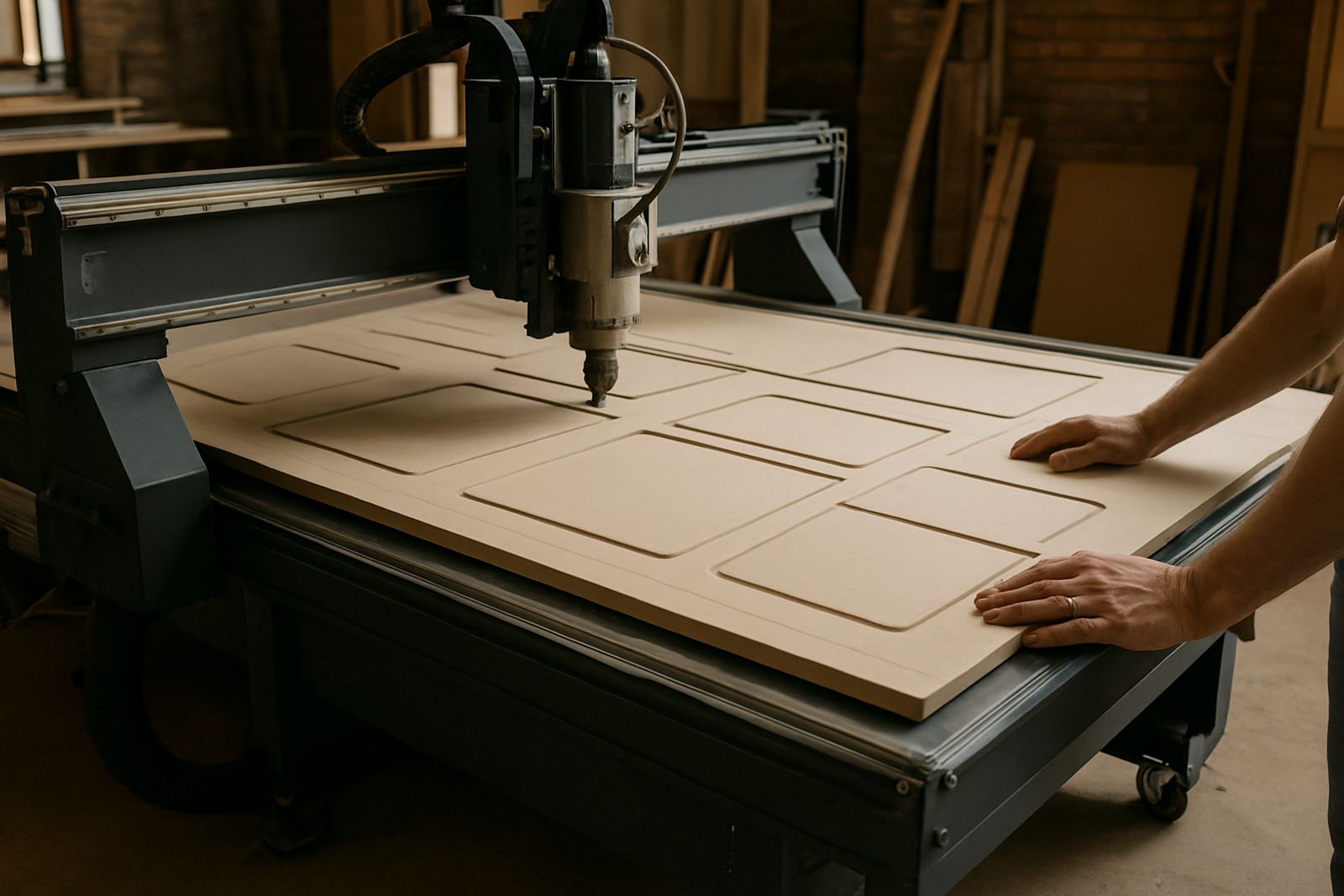
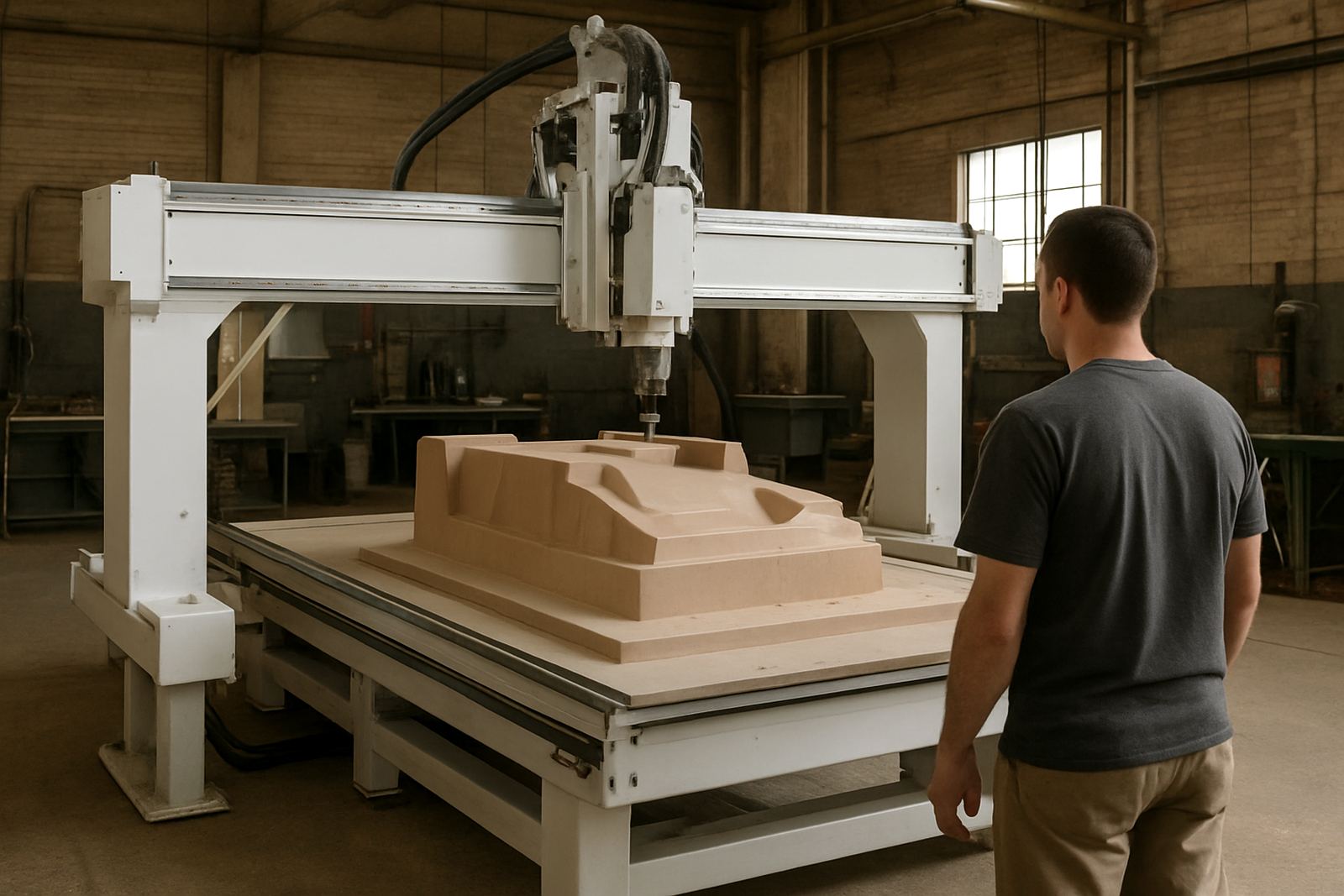
A raised gantry router is a CNC machine built with extra vertical clearance between the table and the bridge. That extra height allows thicker board, foam, plastic and some soft metal parts to pass through without fouling on the gantry or clamps. It is useful where the job mix changes often and the workshop needs one machine that can handle standard sheet nesting as well as deeper formed pieces.
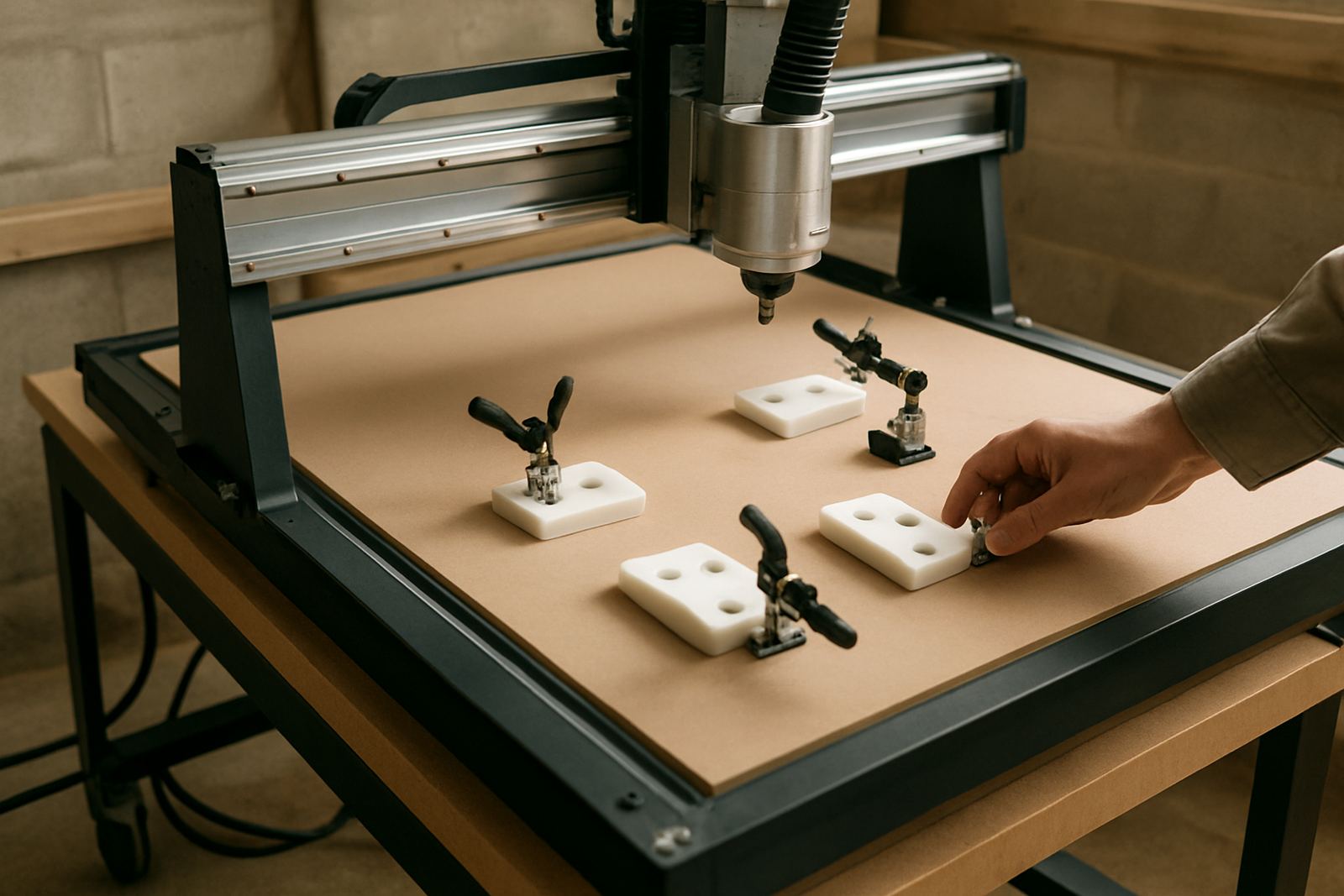
In practical terms, the raised frame gives more room for jigs, fixtures and vacuum pods too. That can help when you are machining cabinet parts one day and signage components or moulded sections the next. The cutter still needs the right tool length and spindle speed, but the extra clearance reduces awkward workarounds and helps the team load work more safely.
- Extra Z clearance for thicker stock and formed parts
- Suitable for nesting, profile cutting and pocketing
- Works well with vacuum tables and fixture plates
- Often chosen where a standard router runs out of headroom
Sizes and options that suit South African production
MultiCAM supplies raised gantry routers in common sheet sizes for local workshops, from compact entry machines through to larger production formats. A 1 300 x 2 500 mm table suits smaller sign and joinery teams, while 1 600 x 3 200 mm or 2 100 x 3 100 mm layouts suit cabinet makers and fabricators who need standard board handling. For higher output, wider beds and longer travel can be specified to match the site and the loading area.
Options usually include vacuum zoning, spoilboard or phenolic table surfaces, manual or automatic tool changing, different spindle power ratings and dust extraction layouts. If the work includes acrylic, MDF, HPL, plywood, expanded PVC or aluminium sheet, the tooling set and hold-down method should be selected together. That saves time later and avoids the common problem of buying a machine that looks right on paper but does not fit the actual job mix.
- Table sizes available for sheet goods and mixed fabrication work
- Vacuum tables, spoilboards and fixture plate options
- Manual or automatic tool change depending on output
- Different spindle sizes for light or heavier cutting duties
Where a raised gantry router fits best
This type of router suits sign shops, joinery shops, furniture makers, display manufacturers and light fabrication teams that cut more than just flat sheets. It is especially useful when part thickness varies or when a job includes routed recesses, deep profiles or assembled components. In coastal areas the added clearance is handy for lifting thicker sealed boards and parts that may swell slightly in humid weather, provided the material is stored properly.
For Johannesburg, Germiston, Midrand and Pretoria workshops, raised gantry machines are often chosen where floor space is limited but throughput still matters. In Durban and other humid regions, good dust extraction and correct storage of boards become even more important. The machine can do the work, but the surrounding process needs to be managed or you end up cutting warped material and blaming the router for it.
- Furniture components and cabinet parts
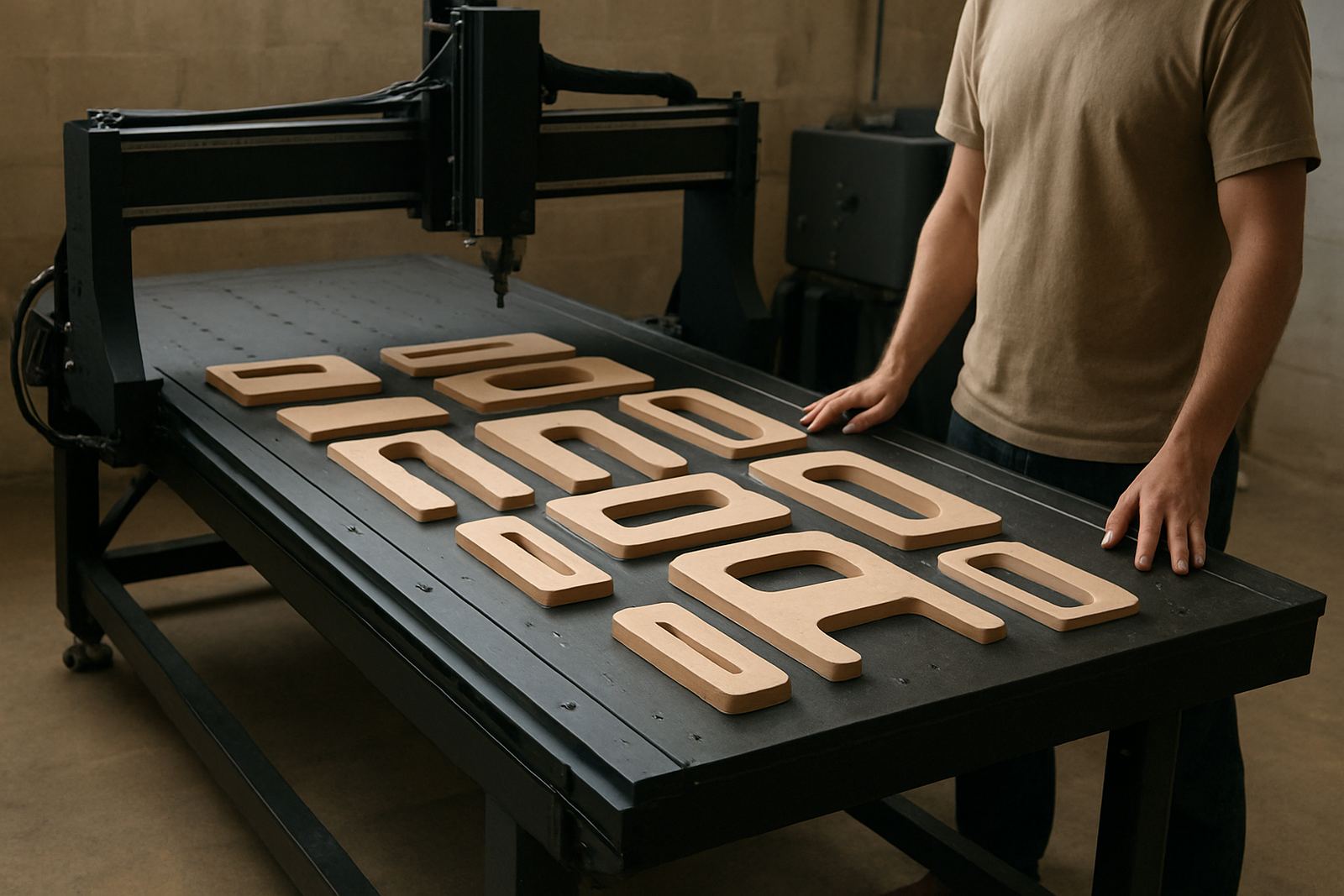
- Sign panels, lettering blanks and display boards
- Foam templates, moulds and thicker plastic parts
- Soft aluminium sheet and light non ferrous work
Installation, power and compressed air requirements
Raised gantry routers need a level floor, clear access for loading and enough space around the machine for service and extraction hoses. During installation MultiCAM checks machine position, extraction routing, dust collection, vacuum plumbing and cable runs so the table can be used without constant rework. If the router is being brought into an existing workshop, door widths and lifting access should be confirmed before delivery, because a machine that cannot get through the opening is not a small problem.
Power requirements depend on the spindle, vacuum system and whether the machine is fitted with automatic tool change. Most production routers need a stable three phase supply, proper earthing and protection from voltage drops. Compressed air may be needed for tool change, clamp systems or cleaning. On sites with load shedding or weak supply, surge protection and a sensible restart plan should be in place. It also helps to check the extraction system at the same time, because dust build-up around a CNC router becomes a safety issue quickly.
- Level floor and sufficient access for delivery and relocation
- Three phase power commonly required for production setups
- Compressed air may be needed for automation and cleaning
- Dust extraction and vacuum systems should be balanced on site
Care, servicing and uptime basics
A raised gantry router will stay accurate longer if the workshop follows a regular care routine. Keep the rails clean, check cable carriers, inspect the vacuum seals and confirm the spindle is running within its normal temperature range. Dust and fine chips are the main enemies, especially when MDF or composite boards are cut every day. A machine that looks clean on the outside can still be carrying dust inside the cabinet and around the drive components.
MultiCAM supports preventive maintenance, spindle service, vacuum leak checks, controller backups and operator training so problems are caught before they stop production. Tooling should also be checked often, because a blunt cutter puts extra load on the spindle and leaves poor edges that waste sanding time. If a workshop runs two shifts or handles urgent sign work, planned servicing is cheaper than chasing breakdowns after hours.
- Daily cleaning around rails, bed and dust boots
- Check spindle condition and tooling wear regularly
- Back up controller settings and job files
- Schedule preventive maintenance before busy periods
What to verify before placing your order
Before ordering a raised gantry router, confirm the maximum material thickness, the largest sheet size you need to load and the main materials you cut each week. Also check whether your team needs nested base cabinet work, deeper 3D profiling or more vertical room for fixtures. The right answer is not always the biggest machine. It is the one that fits the actual cutting pattern and the workshop flow.
It also helps to confirm spindle power, tool holder type, dust extraction size, vacuum pump capacity and whether you want manual or automatic tool change. If the machine will move between sites later, ask about machine relocation planning and lifting points. A clear handover saves a lot of calls afterwards, and when the team knows how to load, clamp and zero parts properly the router earns its keep much faster.
- Maximum workpiece thickness and required Z clearance
- Sheet size, material types and daily production volume
- Spindle power, tool change method and dust extraction needs
- Vacuum table layout, relocation plans and operator training
Key facts
| Machine type | Raised gantry CNC router for sheet and thicker-part cutting |
|---|---|
| Typical table sizes | 1 300 x 2 500 mm, 1 600 x 3 200 mm, 2 100 x 3 100 mm |
| Z clearance | Raised bridge format for deeper workpieces and fixtures |
| Materials | Wood, MDF, plywood, plastics, foam and soft aluminium |
| Power | Commonly three phase, final requirement depends on spindle and vacuum |
| Support | Installation, commissioning, maintenance, training and tooling setup |