What a Phenolic Table Router Does in Daily Production
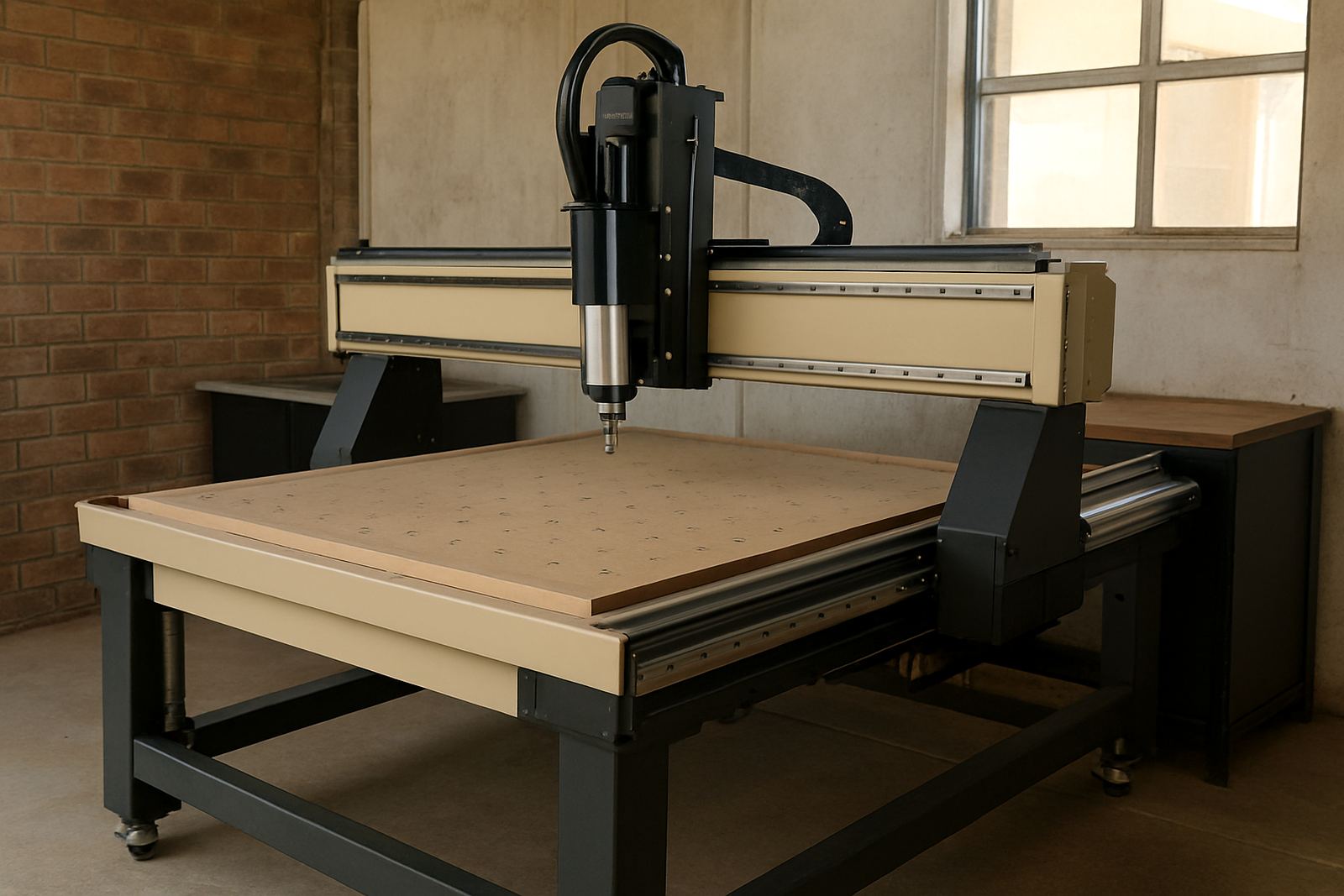
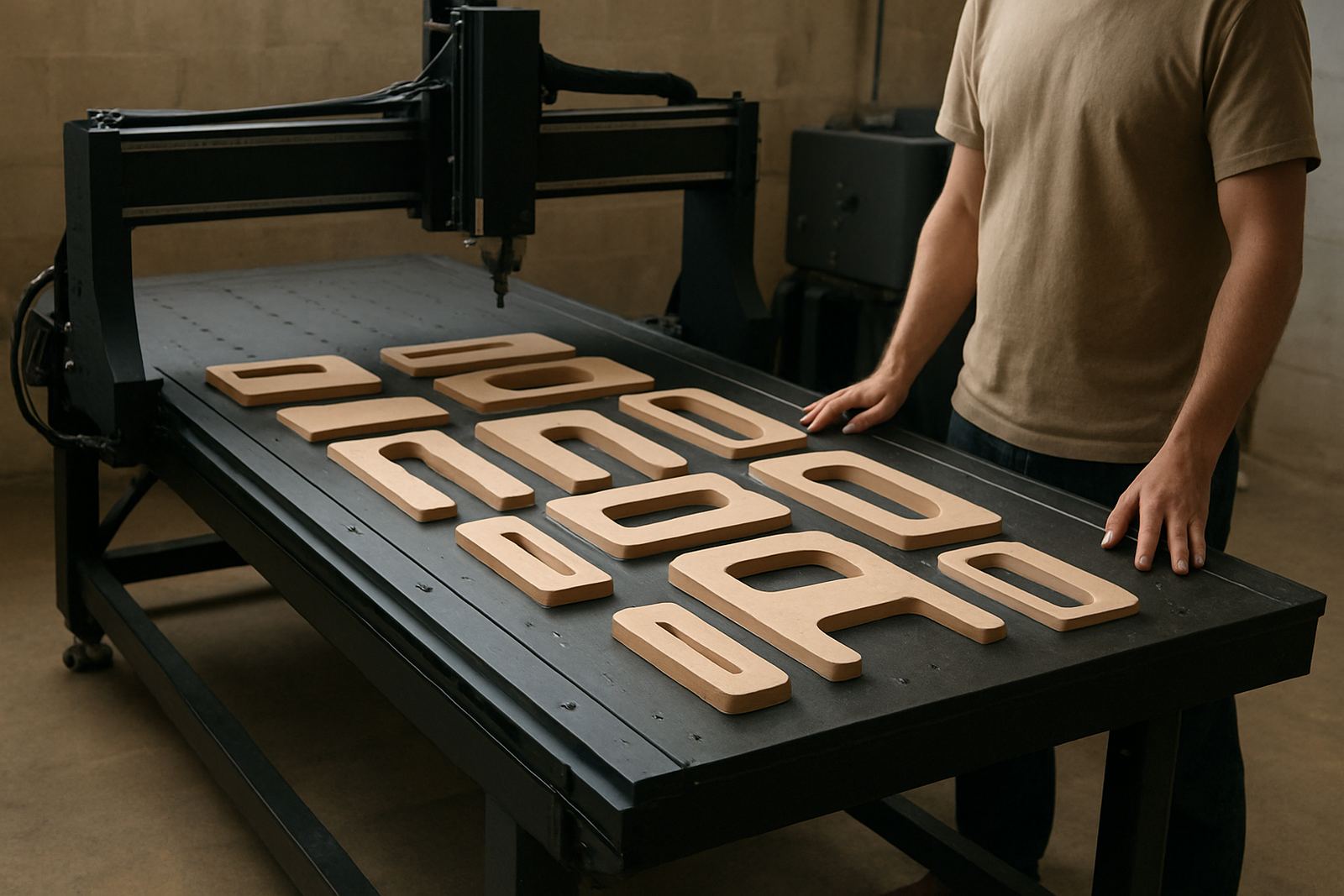
A phenolic table router uses a phenolic faced top as the main cutting surface instead of a plain timber board or basic sacrificial sheet. The aim is simple, keep the surface stable under load, reduce movement during cutting and make vacuum hold-down more predictable. For sign shops, cabinet makers and light manufacturing teams, that steadier platform helps when parts need accurate repeat runs or when jobs switch from one material to another through the day.
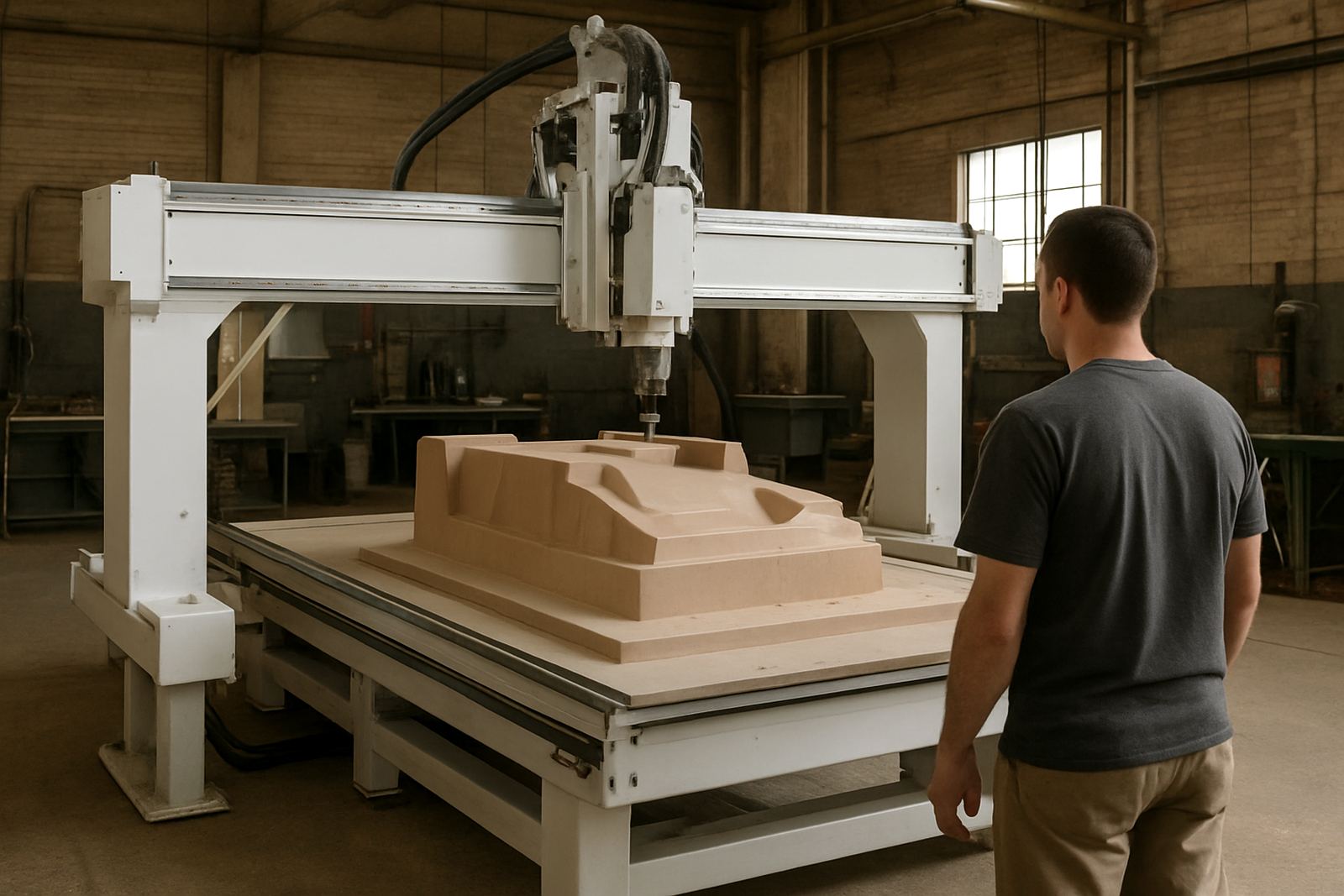
Phenolic tops are suited to CNC routing work where a flat, hard wearing surface matters. They handle sheets of MDF, plywood, ACM, acrylic, PVC foam board and many other workshop materials. On smaller jobs the surface helps with fine detail and better edge quality, while on larger nesting runs it supports consistent depth control. It is not a miracle fix for bad tooling or poor setup, but it does give the machine a better base to work from, and that counts.
MultiCAM can advise on whether a phenolic table is the right choice for your cutter, vacuum system and usual sheet sizes. In many South African workshops, the deciding factors are dust, humidity, power stability and how often operators change jobs. A well matched table makes those daily realities easier to manage.
Sizes, Table Formats and Holding Options
Phenolic table router systems can be supplied in a range of working sizes to suit entry level machines through to production nesting cells. Common formats are built around standard sheet handling, with options for half sheet, full sheet and wide bed layouts. The final size should follow the parts you cut most often, the floor space you have and the way sheets move through the workshop.
- Working areas for compact, mid size and full sheet routing
- Phenolic surface panels for stable cutting and cleaner spoil removal
- Vacuum pod and spoilboard combinations for mixed job work
- Groove or grid style layouts for practical clamping and hold-down
- Optional zones for nested sheet cutting and smaller part production
For furniture makers, vacuum zoning can save time when different part sizes are cut on the same machine. Sign shops often prefer layouts that make board changes quick, while smaller fabrication teams may want a simpler table with manual clamping and a replaceable top. The right choice depends on volume, part size and operator experience, not just on the machine itself.
Where humidity is high, especially in coastal areas, phenolic can be a useful surface choice because it is less likely to swell than untreated board materials. That said, the table still needs sensible care and the workshop should stay dry and clean as practical, because fine dust will find its way into everything, if you let it.
Where Phenolic Tables Suit South African Workshops
These tables suit workshops that need dependable sheet support and regular changeovers. That includes joinery shops, shopfitting teams, plastic fabricators, display makers and furniture plants that run multiple materials on one machine. In Johannesburg and the East Rand, they are often paired with dust extraction and strong vacuum systems for day to day production. In Durban and other humid areas, users often value the stability of the surface during longer runs.
Phenolic tops are also a practical option for businesses that want less fuss from the table surface itself. If your team cuts often, the surface needs to hold up to repeated tool passes, clamp pressure and occasional operator mistakes. A properly specified phenolic table helps reduce time lost to damaged board surfaces and uneven hold-down. It will not replace good process control, but it supports it.
MultiCAM can supply tables for new machine installs, upgrades and replacement projects. We also assist when a workshop is changing from manual cutting to CNC, because the table choice affects tooling, dust collection and the learning curve for operators. A good table should fit the work flow, not force the team to work around it.
Installation, Power and Workshop Requirements
A prepared site makes CNC router installation much easier. The floor should be level enough for machine alignment, the routing area should allow sheet loading and the power supply should be checked before delivery. For most CNC router installations, the main needs are stable electrical supply, suitable extraction and enough clear space for safe movement of sheets and finished parts.
- Stable three phase power where the machine specification requires it
- Proper earthing and protection against local power fluctuation
- Dust extraction connected and balanced for the table and tooling used
- Enough access around the machine for loading, cleaning and service work
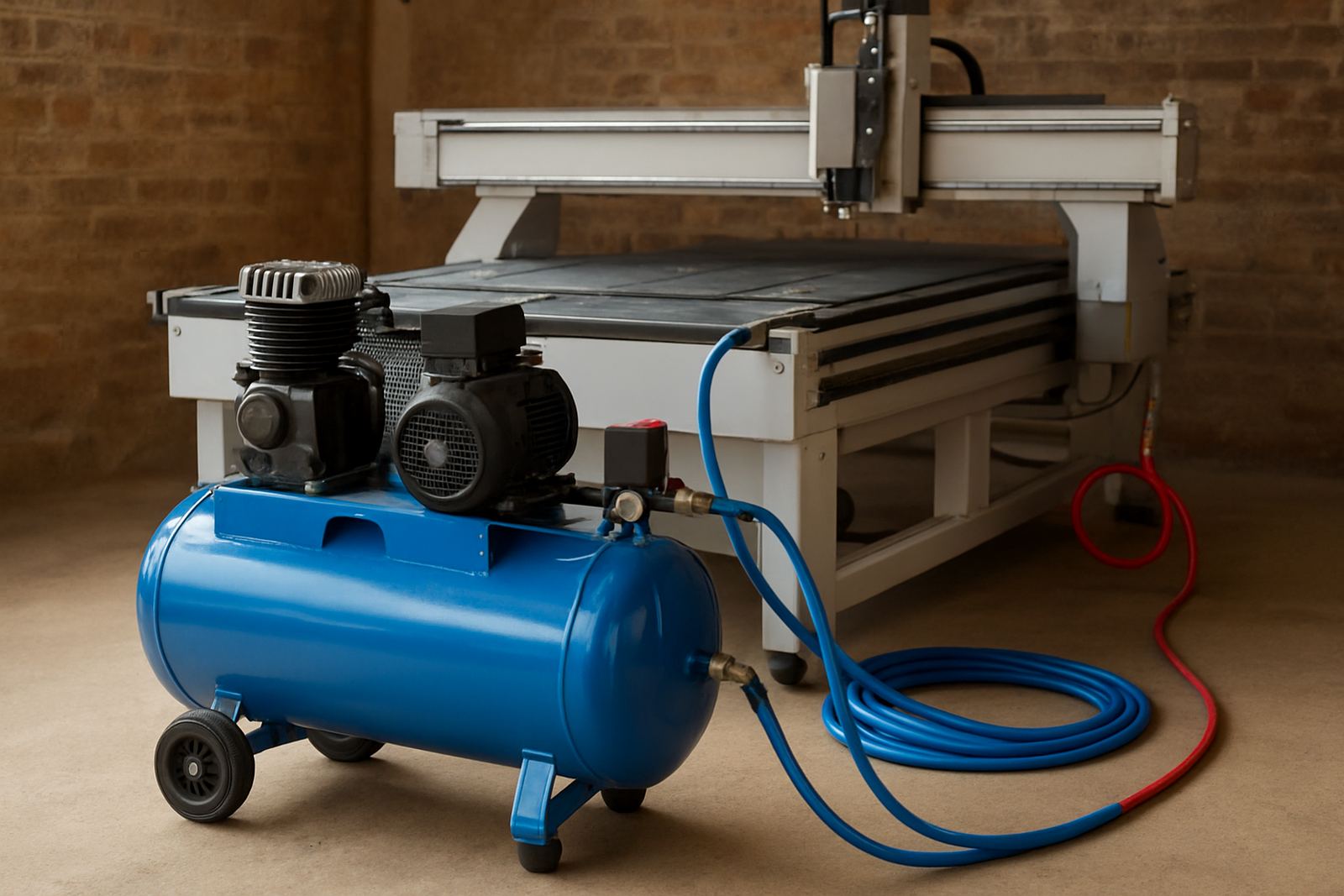
- Controlled air supply if the setup uses pneumatic hold-down or accessories
There is no gas requirement for a phenolic table router. What matters instead is power quality, dust control and vacuum performance. In areas with load shedding or unstable supply, it is wise to discuss controller backups, restart procedures and safe shutdown habits before the machine goes live. That simple planning can prevent lost jobs and avoidable wear.
Our Germiston team supports installs across South Africa, including Johannesburg East, Midrand, Pretoria East, Durban North and Cape Town North. We can also assist with machine relocation, commissioning and operator training so the setup is practical from day one.
Care, Cleaning and Servicing That Keep the Surface Useful
A phenolic table needs routine care, not complicated maintenance. Keep the surface free of chips and dust, inspect for cuts or low spots, and make sure vacuum channels or spoilboard areas do not clog up. After heavy jobs, a quick clean is worth the effort because built up debris changes hold-down and can affect cut depth. Small habits save bigger problems later.
For a workshop running every day, preventive maintenance should include vacuum leak checks, controller backups and a look over the table surface during scheduled service visits. If the surface becomes damaged, replace the affected section rather than trying to work around it for months. That approach keeps accuracy better and helps the operator trust the machine again.
Tooling matters too. A good table will not fix blunt cutters or poor feeds and speeds. MultiCAM can help with tooling setup, spindle service and practical checks so the machine, table and tooling all work together. When the operator understands the system, production gets calmer and scrap drops.
What To Check Before You Order
Before ordering a phenolic table router, confirm the sheet size you cut most often, the materials you run, and whether you need vacuum zones or simple clamping. Also check your current power supply, dust extraction capacity and floor space. A table that looks ideal on paper can become awkward if loading areas are tight or the material stack is too close to the machine path.
- Main work size and maximum sheet size
- Material mix, including wood, plastics and soft metals
- Need for vacuum zoning, pods or simple hold-down
- Available electrical supply and any power conditioning needs
- Dust extraction route and workshop airflow
- Service access for cleaning, repairs and future upgrades
If you are replacing an older setup, ask for a review of machine relocation, tooling setup and operator training at the same time. That often gives a better result than changing the table alone. The right specification should suit the present workload and leave room for growth, without making the workshop harder to run.
Key facts
| Table surface | Phenolic faced cutting surface for routing and nesting work |
|---|---|
| Working sizes | Compact, mid size and full sheet options available |
| Material suitability | MDF, plywood, acrylic, PVC foam board, ACM and similar sheet materials |
| Hold-down options | Vacuum zones, pod layouts and manual clamping arrangements |
| Installation needs | Stable power, dust extraction, level floor and clear loading space |
| Maintenance | Surface cleaning, vacuum checks, controller backups and routine inspection |