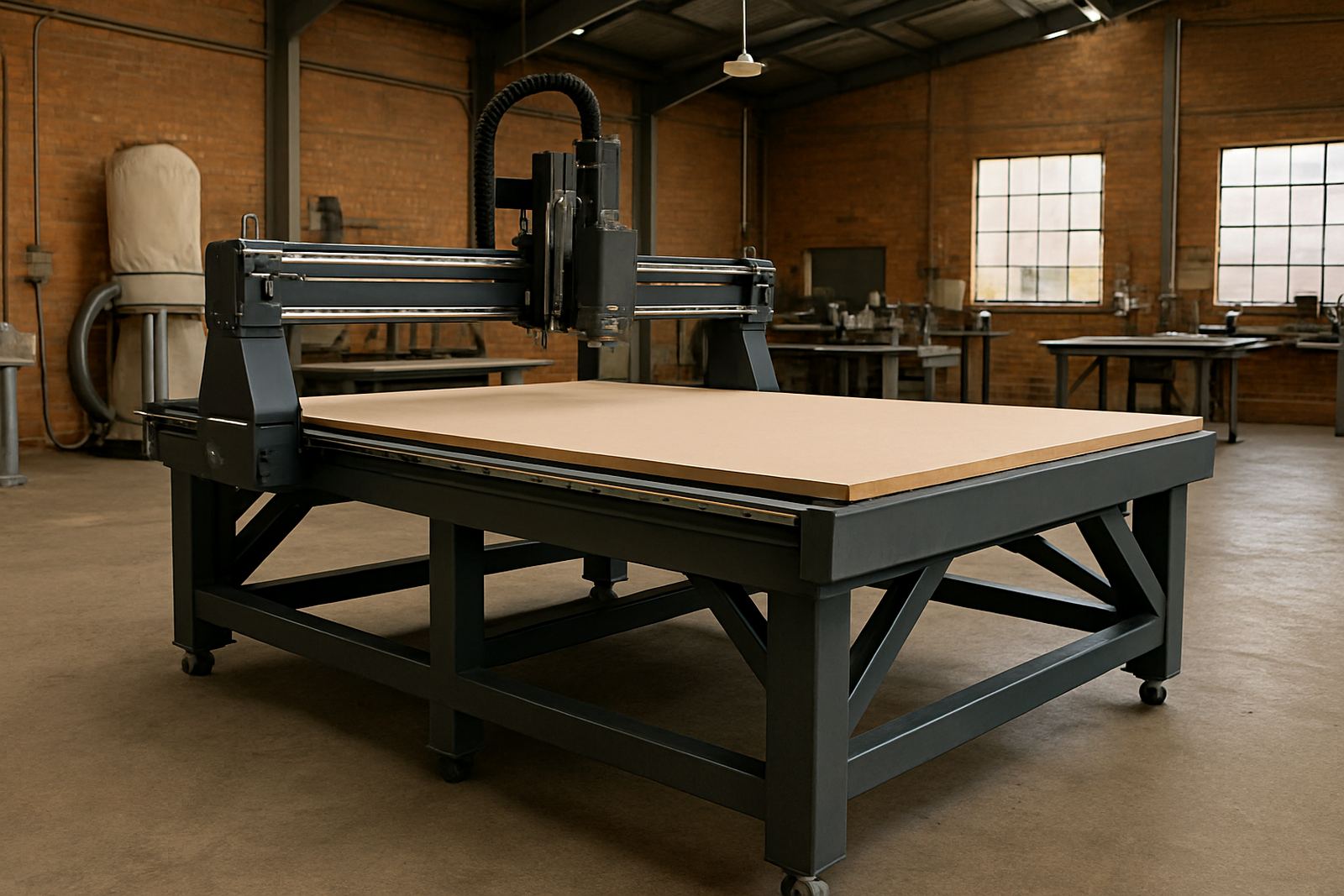
Built for heavier cutting and longer shifts
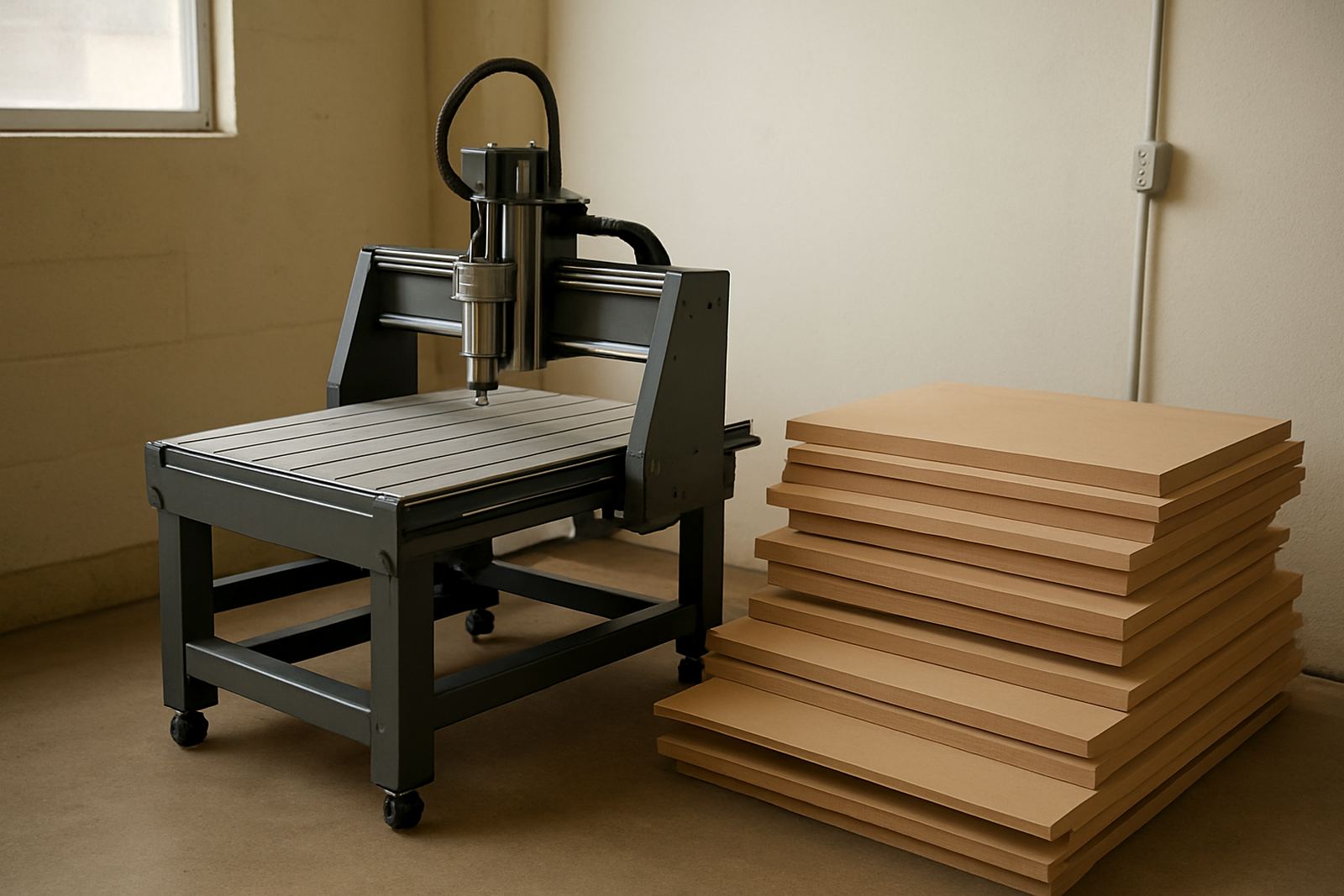
This router is aimed at shops that cut large panels day after day and need a machine that stays accurate under load. The frame, gantry and drive system are set up for firmer cutting in board goods, foam board, acrylic, PVC, composite sheet and other dense materials used in signmaking, joinery and light industrial work.
For many users the main benefit is not just speed, it is repeatability. When the job is nested tightly and the cutter is working near the limits of the sheet, the machine must hold position cleanly and keep the finish consistent from the first part to the last. That matters on production runs where rework costs time and materials.
MultiCAM can advise on the right size and configuration for your work mix, whether you are replacing a smaller router or setting up a new cell for daily cutting in Germiston, Johannesburg East, Midrand or further afield.
Sizes and working options that suit real workshops
The Heavy Duty Router is available in working sizes suited to common South African sheet formats, with options that help a workshop match output to space. Some teams need a compact footprint for a busy factory floor, while others need a larger bed for full sheet handling and fewer trim cuts.
Options can include vacuum hold-down, spoilboard support, dust extraction connections, automatic tool changing and safer operator access around the table. For thicker materials, a strong vacuum zone layout and the right tooling choice are often as important as the machine itself.
- Working areas available for standard sheet sizes and larger production needs
- Vacuum table or hybrid table options for better holding on different materials
- Tool change and tooling setup options for mixed job work
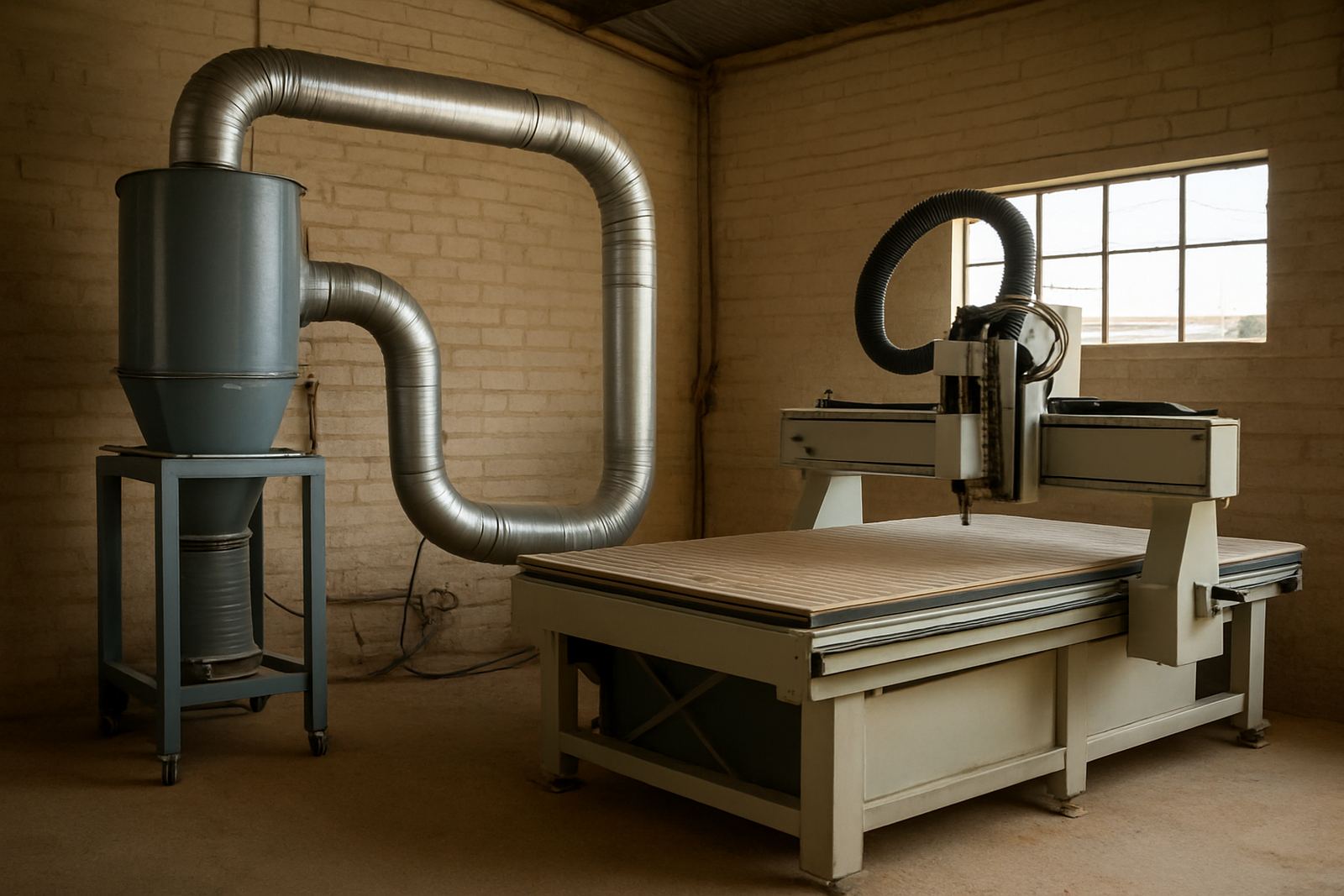
- Dust collection connections sized for local extraction systems
- Controller and software choices that suit direct workshop use
If your work changes between kitchen panels, shop fittings and plastic signage, the machine can be set up to handle mixed batches without constant adjustment.
Where this router fits best in South African production
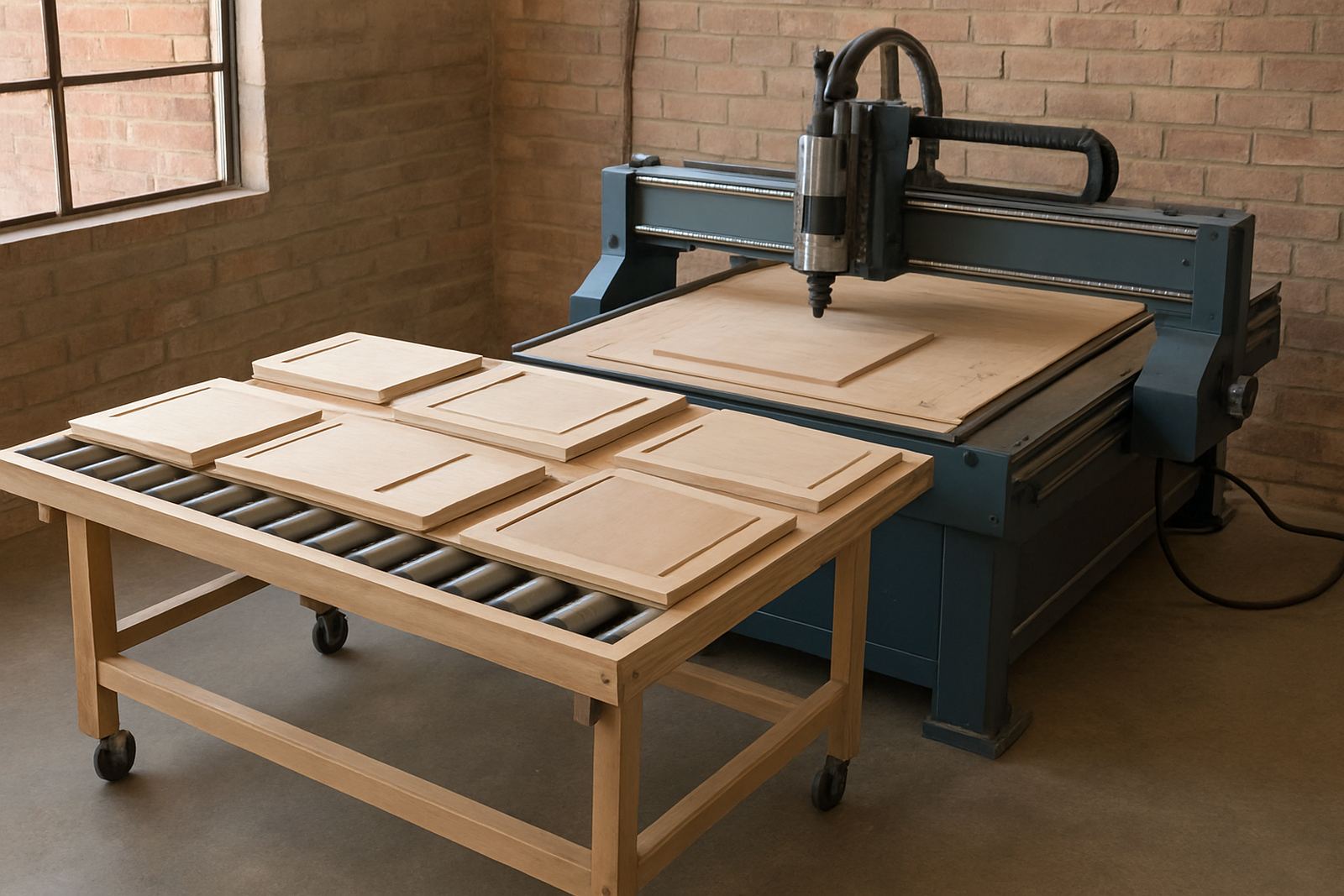
This machine suits fabricators who need a dependable cutter for thicker boards and dense plastics rather than light hobby use. Typical applications include furniture components, cabinet parts, display panels, point of sale work, mould boards, templates and components that need clean nesting from sheet stock.
It is also a practical choice where labour is tight and the same operator may run cutting, loading and basic inspection in one shift. The interface and setup guidance should be clear enough that a trained team can move from drawing to finished part with fewer surprises.
In coastal areas, workshop humidity can affect timber board storage and vacuum performance. Inland, dust load and power quality can be the bigger issue. MultiCAM helps match the machine spec to the local site so the system performs well in real conditions, not only on paper.
- Furniture makers cutting carcass parts, shelves and panel components
- Sign shops working with ACM, PVC foam and acrylic sheet
- Joinery workshops needing repeatable nesting and clean edge quality
- Industrial users making templates, jigs and technical parts
Installation, power and site preparation
A heavy duty router needs proper site prep before the first cut. Floor space, access for delivery, level surface, extraction routing and electrical supply all need checking before installation day. On some sites a concrete floor and a clear handling path are straightforward, but in older workshops the door width and turning space can be the real constraint.
Power needs vary by machine size and configuration, and MultiCAM will confirm the exact supply requirements before delivery. In many cases a dedicated electrical supply, correct protection and stable earthing are essential. If your area sees load-shedding or voltage swings, it is worth planning for backup power or controlled shut down to protect the controller and keep the spindle safe.
- Confirm machine footprint, door access and lift-off route in advance
- Check electrical supply, breaker capacity and earthing before install
- Plan dust extraction and vacuum lines for the full table area
- Allow space for sheet loading, offcut removal and operator movement
- Set up backup procedures for power cuts and controller recovery
For sites in Germiston, Pretoria East, Durban North and Cape Town North, the installation plan can be adjusted to the building, the local network and the daily production flow.
Care, servicing and keeping cut quality steady
Like any production machine, a heavy duty router performs best when routine care is done on time. Dust build-up, poor vacuum sealing, worn tooling and loose fasteners all affect cut quality. Small checks every day and planned maintenance each month can prevent bigger stops later.
MultiCAM supports preventive maintenance, spindle service, vacuum leak checks, controller backups and dust system balancing. That matters in workshops where the router is used through most of the week and a missed bearing issue or leaking vacuum line can hold up the whole job card queue.
- Keep linear ways, spoilboard and table surfaces clean
- Check cutter wear and tool holding before long runs
- Inspect vacuum lines, seals and filters for leaks or blockage
- Back up controller settings and job files after changes
- Schedule spindle inspection and lubrication checks at regular intervals
On machines that run daily, a short morning inspection is often enough to spot loose hoses, damaged tooling or a vacuum drop before production starts. It saves material and keeps the team moving.
What to verify before placing your order
The right Heavy Duty Router depends on what you cut, how often you cut and what sort of finish your customers expect. Before ordering, it helps to list the sheet sizes, material thickness, daily volume and whether you need drilling, engraving or full nesting. Those answers shape the table size, spindle choice, vacuum layout and software needs.
It also helps to confirm who will operate the machine, how much training is needed and whether you need relocation support for an existing unit. A workshop in mid production does not want a long learning curve or a machine that is too complicated for the team on shift.
- Material types, thickness range and expected daily volume
- Required working size and whether full sheet loading is needed
- Vacuum, dust extraction and tooling requirements
- Electrical supply, floor space and access for delivery
- Training, service access and spare parts planning
If you are comparing models, MultiCAM can talk through the practical differences and point out where a lighter router may be enough, or where the heavier frame and table support will pay back in less downtime and cleaner cuts.
Key facts
| Machine type | Heavy duty CNC router for boards, plastics and soft metals |
|---|---|
| Working sizes | Options to suit common sheet formats and larger production tables |
| Materials | Timber board, MDF, plywood, acrylic, PVC foam, ACM and similar sheet goods |
| Table options | Vacuum table, spoilboard support and hybrid holding options |
| Control | Operator-friendly CNC controller with backup and setup support |
| Services | Installation, commissioning, training, maintenance and relocation |