Space-Saving CNC for Everyday Workshop Work
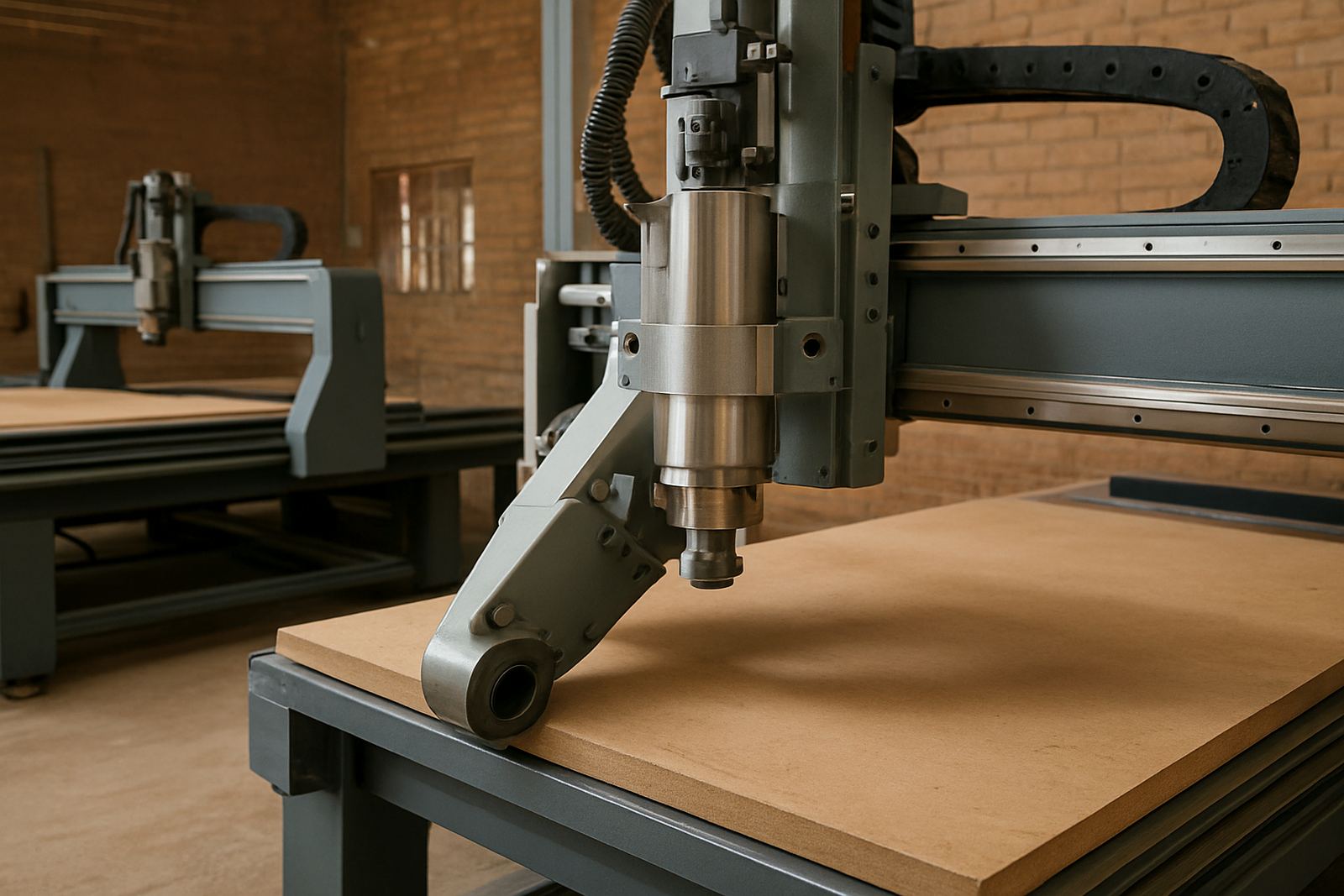
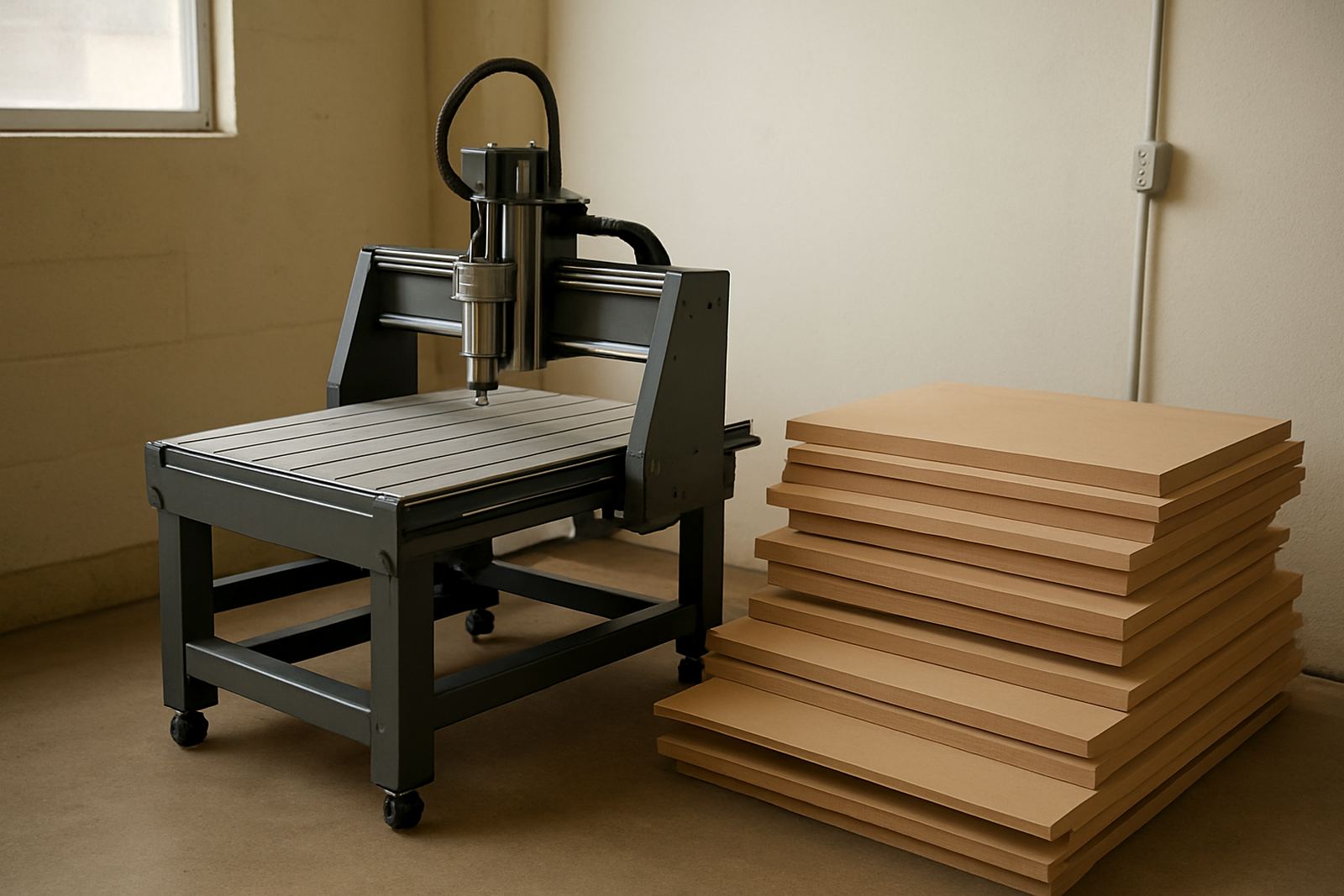
The Compact CNC Router is built for shops that need a smaller footprint but still want dependable cutting, repeatable sizing and tidy sheet handling. It is a good fit for fabricators who work with melamine board, plywood, PVC, acrylic and light aluminium parts, especially where every square metre matters.
For many Johannesburg and Pretoria workshops, the challenge is not only machine size but keeping production moving during load-shedding, dust build-up and uneven power quality. This type of router is usually chosen when one operator must load, cut and unload parts without a lot of extra room around the table.
- Suitable for smaller cabinet shops, sign makers and light fabrication bays
- Handles sheet goods, plastics and non-ferrous materials
- Designed for efficient nesting and cleaner edge-to-edge use of board
- Works well where space and turning room are limited
Table Sizes, Axis Travel and Option Choices
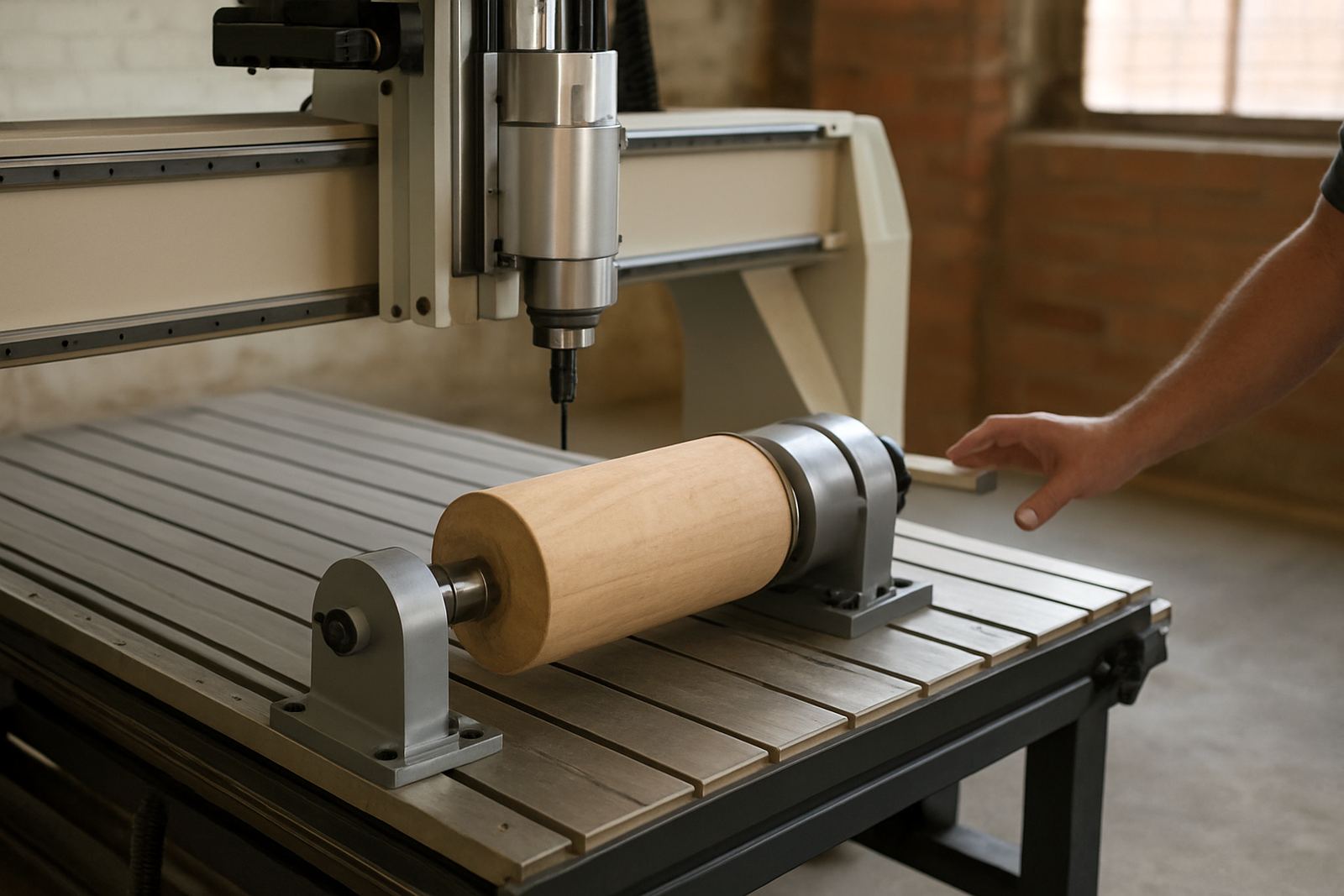
Compact does not mean limited in purpose. The machine can be supplied in practical working sizes for common sheet formats, with options for vacuum holding, spoilboard surfacing and dust extraction layouts that suit local workshop flow. Final choice depends on the biggest board you cut, the parts you batch and how often you move material by hand.
For most smaller production environments, a standard rectangular table with enough X and Y travel for common cabinet and sign work is the sensible starting point. Z travel should be checked against your thickest board, tooling length and any fixtures you plan to use.
- Working area options for common sheet sizes and offcut use
- Vacuum table or hybrid hold-down options for flat sheet work
- Manual or assisted loading approach depending on space available
- Tool changer choice based on the number of tools used per job
Where production is mixed, a simple setup with a few well chosen tools is often better than overloading the machine with features you will not use every day.
Best Fit for Cabinet, Sign and Light Metal Work
This router suits workshops that move between flat panels, cut lettering, profile parts and light aluminium components. If you are producing cabinet doors, drawer fronts, display parts or mounting panels, the machine gives cleaner repeatability than hand routing and saves time on trimming.
In coastal areas like Durban North and Cape Town North, humidity can affect board storage, vacuum grip and tooling life, so the machine should be installed with sensible airflow and dry material handling. In Gauteng, dust control matters just as much because fine MDF dust can quickly affect guides, bearings and the controller cabinet if it is not managed well.
- Cabinet shops cutting panels, shelves and carcass parts
- Sign shops producing acrylic, foam board and aluminium composite sheets
- Furniture makers needing repeatable nesting and cleaner joins
- Small production rooms where one machine must do multiple jobs
Installation, Power and Workshop Readiness
Before delivery, check that the floor is level, the route into the workshop is clear and there is space for material infeed and offload. A compact router often fits through tighter doors and passages, but the machine still needs proper lifting access and a clean final position for alignment. Machine commissioning should include axis checking, vacuum testing and safe stop verification before the first production run.
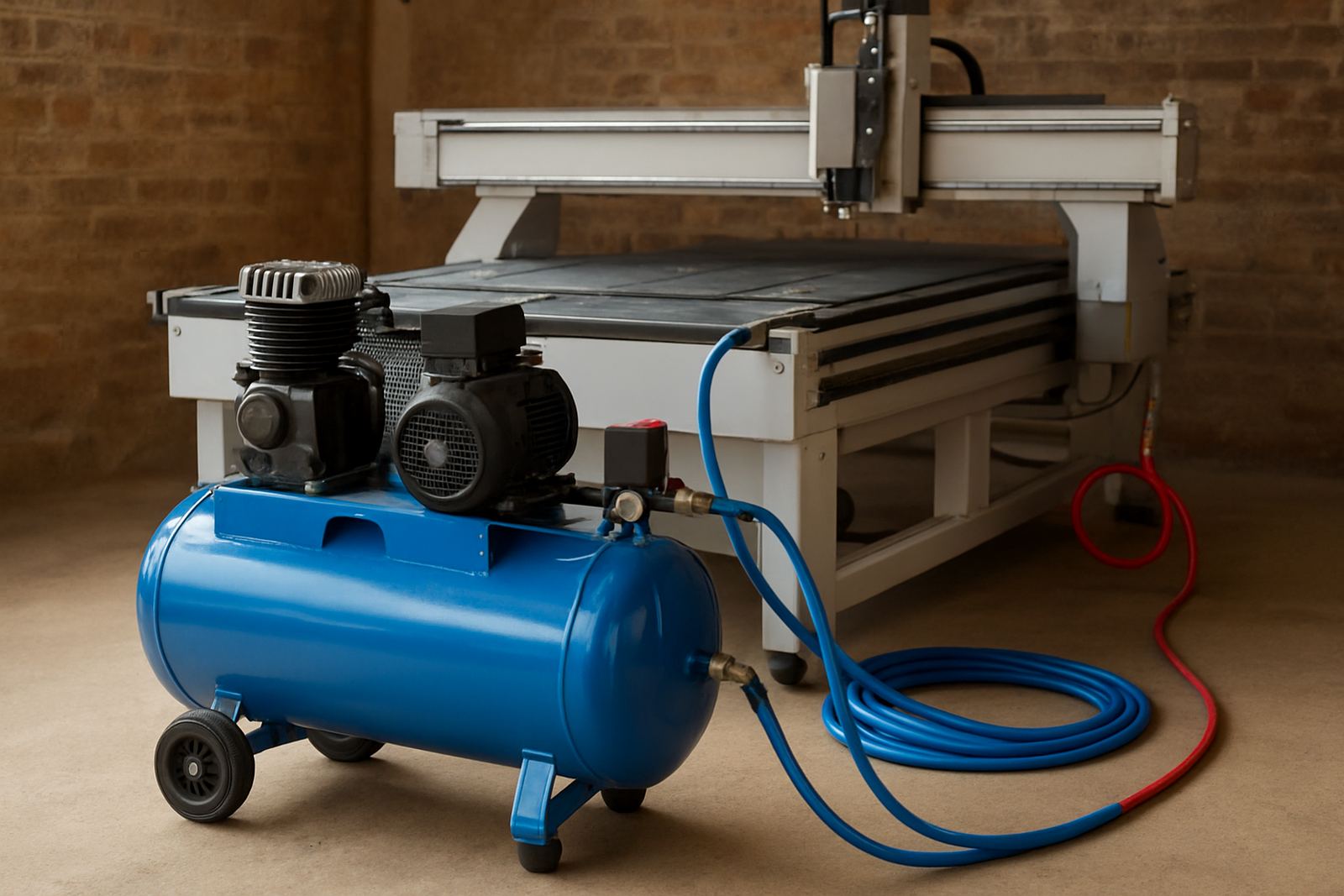
Power needs depend on the chosen spindle, vacuum arrangement and controller package. In many South African workshops a stable three-phase supply is preferred, while some smaller sites may need a planned single-phase or converted arrangement. Ask for the exact load requirement before ordering, because additional dust equipment and vacuum pumps can change the installation plan.
- Confirm supply voltage, phase and breaker capacity before install
- Allow for dust extraction and vacuum equipment space
- Plan for backup power or safe shutdown if outages are common
- Keep the controller area clean, dry and easy to reach
For sites that depend on municipal compliance or shared industrial access, it helps to agree on machine delivery times, noise expectations and waste handling before the install team arrives.
Care, Servicing and Keeping Accuracy in Check
Like any CNC router, the Compact model performs best when it is cleaned often and checked on a fixed schedule. Daily dust removal, weekly guide inspection and regular spindle care will usually prevent the kind of wear that causes poor edge finish or lost size accuracy. If you are cutting MDF or melamine, vacuum leaks and clogged filters can make a bigger difference than many operators expect.
MultiCAM support covers preventive maintenance, spindle service, vacuum leak checks, controller backups and operator training, which is useful when staff changes or more than one person runs the machine. A short service call can often catch looseness, tool wear or axis drift before it turns into scrap.
- Brush and vacuum the bed, rails and cabinet area daily
- Check tooling wear and collet condition often
- Back up the controller before software changes or relocation
- Inspect dust lines, seals and vacuum zones on a routine basis
Ordering Checklist for the Right Compact Router
When you ask for a quote, it helps to give real production details rather than just sheet size. Tell us what you cut most often, how many parts you need per day, whether you use aluminium, and if the machine will be standing in a dusty joinery bay or a cleaner sign room. That information affects spindle size, vacuum choice, tooling and table layout.
Also think about whether you need installation, machine relocation, training or a dust system balance after the machine is in place. Workshops in Germiston, Midrand and Pretoria East often need fast commissioning because production cannot stop for long, while coastal sites may need extra attention to humidity, corrosion and storage practices.
- Main materials and the thickest stock you plan to cut
- Typical sheet size and daily part volume
- Power available on site, plus any inverter or generator backup plan
- Need for dust extraction, relocation or operator training
- Whether you want a basic setup or a production cell approach
For a practical discussion, contact the Germiston base on our contact form and ask for guidance on the size and options that match your workshop today, not just the work you hope to do later.
Key facts
| Machine type | Compact CNC router for sheet cutting and light routing |
|---|---|
| Typical materials | Melamine board, plywood, PVC, acrylic and light aluminium |
| Working size options | Configured to suit common smaller workshop sheet formats |
| Control | Operator-friendly CNC controller with backup and setup support |
| Hold-down | Vacuum table or hybrid hold-down options |
| Services available | Installation, commissioning, maintenance, training and tooling setup |