What the Dust Extraction Pack does in daily CNC work
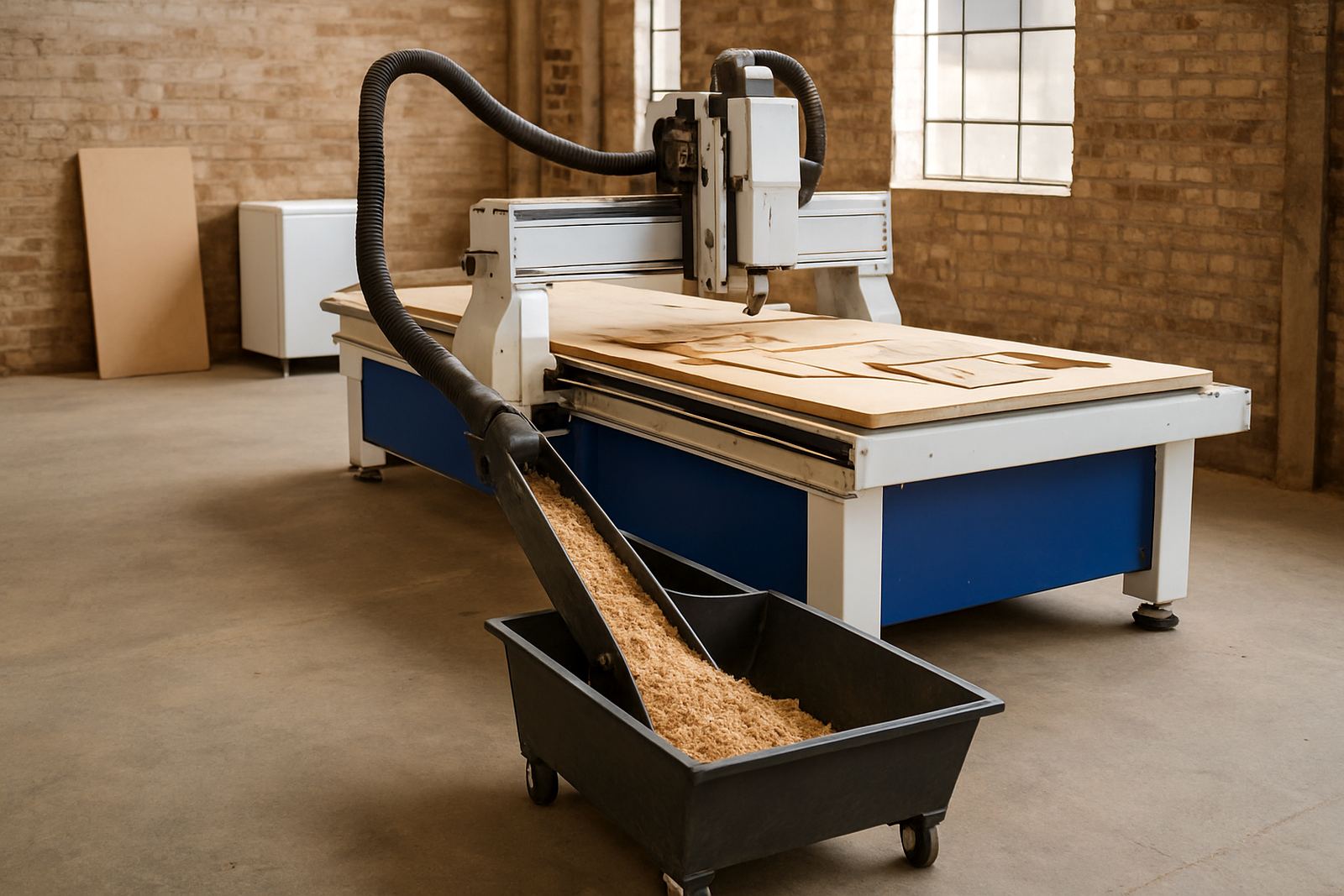
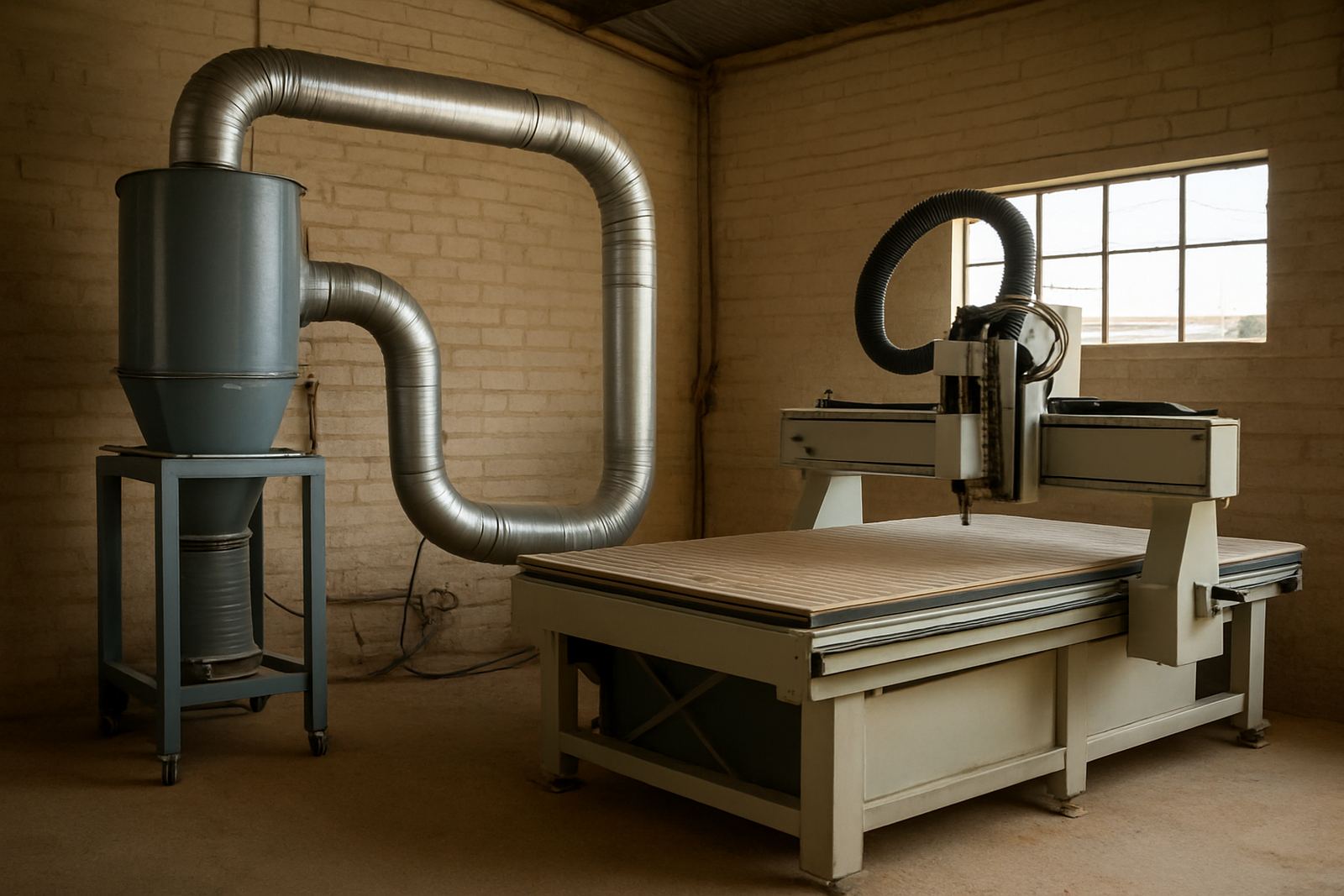
The Dust Extraction Pack is a matched dust control setup for CNC routers and related workshop machines. It removes chips, fines and airborne dust close to the cut, which helps keep parts cleaner, reduces rework and lowers the amount of dust settling on rails, drives and control areas. In a South African workshop that may be working through load-shedding, shared extraction can also make the floor easier to keep tidy between shifts.
The package is not a single loose collector. It is selected as a practical set of extraction parts, hoses, fittings and support items that work with the machine size, cutter load and daily hours you expect. That matters because MDF dust, plywood chips and plastic swarf all behave differently, and a setup that is too small soon causes poor pickup and a mess around the table.
Sizes and package options for different workshops
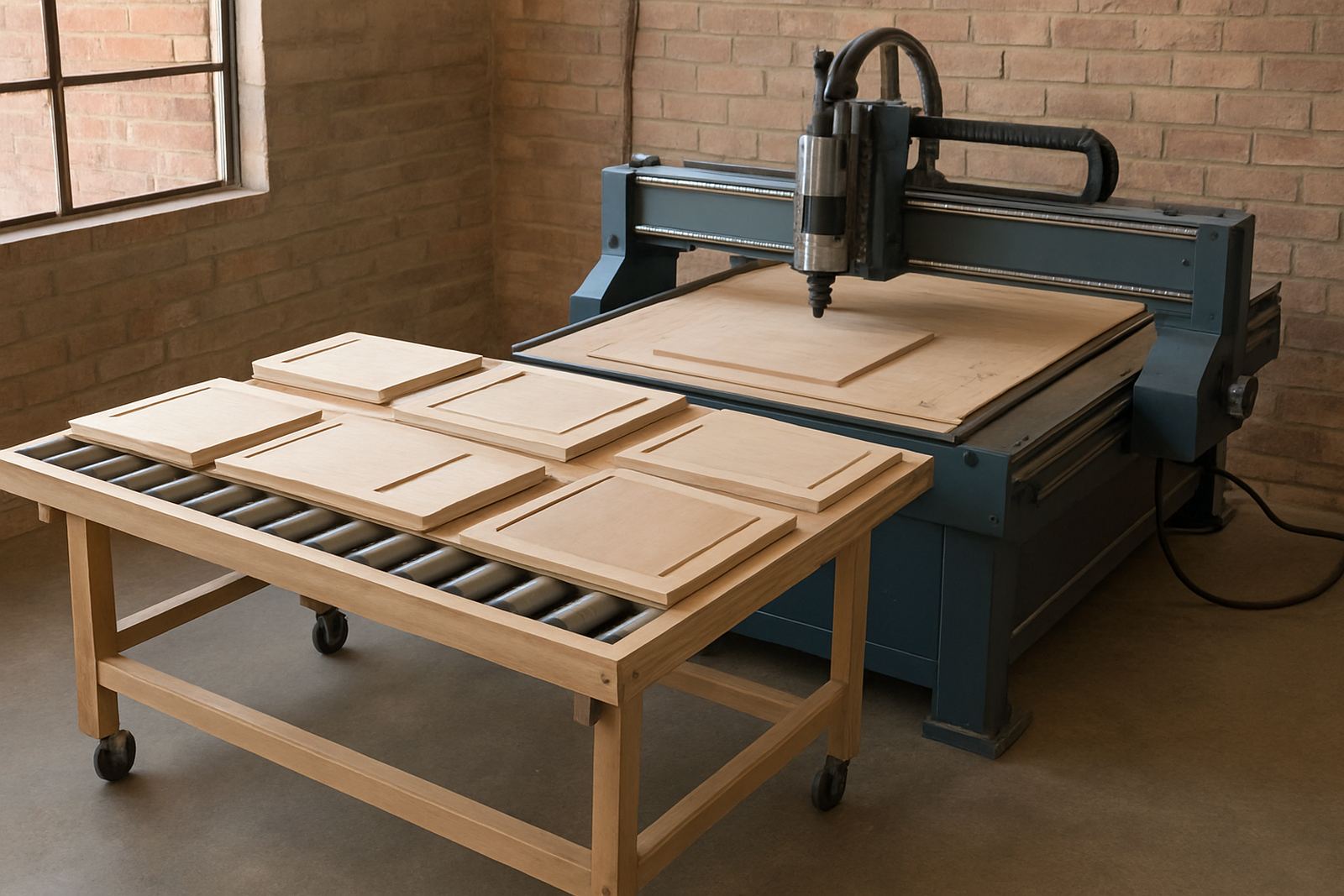
Dust needs change as the machine bed grows. A smaller 600 mm by 900 mm router used for sign boards will not need the same extraction volume as a full sheet nesting machine working 2 440 mm by 1 220 mm panels. MultiCAM helps match the dust package to the cut area, cutter type and operating pace so the extraction point stays useful across the full table.
- Entry router packs for light workshop use and short runs
- Single-table packs for general sign, cabinetry and joinery work
- Higher-capacity packs for nesting cells and longer production shifts
- Options for flexible hose runs, fixed ducting and multi-point pickup
Where a workshop cuts mostly board products, a stronger airflow pattern is often better than a simple small collector. For plastic work, smoother hose routing and the right nozzle position help reduce clogging and keep chips moving. For soft metal work, the dust package may be paired with different handling notes so the waste does not build up around the cutter path.
Where a dust package suits best
This package suits fabricators, sign shops, cabinet makers, exhibition builders and schools that use CNC routers on a regular basis. It is also a good fit for businesses that need cleaner air around the machine area because of enclosed bays, shared workrooms or customer-facing production floors. Coastal humidity in places like Durban or Cape Town can make fine dust cling to surfaces, so a proper extraction plan helps with daily housekeeping.
Typical uses include:
- MDF and particleboard nesting
- Plywood cutting and profiling
- Acrylic, PVC and other plastics
- Light aluminium or soft metal trimming where suitable tooling is used
- Pattern work, sign panels and routed lettering blanks
It is also useful where municipal cleanliness rules, landlord requirements or internal safety checks call for less visible dust around the machine bay. A tidy extraction setup can support a better working area without changing the way operators load or unload sheets.
Installation, power and site checks before fitment
Before supply, the team looks at the machine footprint, duct route, cable path and available services. Some workshops only need a compact collector close to the router, while others need a more complete duct run with proper balancing so the far end of the table still draws well. The installation plan should suit the layout, not force the workshop into awkward pipe turns or long hose runs that reduce suction.
Power needs depend on the chosen package and the duty cycle. A small unit may suit a standard workshop supply, while larger systems often need dedicated electrical capacity and correct overload protection. If the site already has compressor lines, these can be useful for certain nozzle or flap arrangements, but the dust package itself is normally selected around electrical supply and the type of machine being served.
- Check main supply capacity and breaker space
- Confirm where the collector will sit and how waste will be emptied
- Measure hose and duct routes before final ordering
- Allow clear access for maintenance and filter changes
Care, servicing and keeping the system working well
Dust systems work best when they are checked often rather than left until pickup drops off. Filters need cleaning, seals should be inspected and hose joints must stay tight so air is not lost before it reaches the cutter. If a vacuum leak develops, chips start building around the spindle and the machine bed quickly needs more manual clearing. That wastes time and can affect edge finish.
MultiCAM supports preventive maintenance, vacuum leak checks, dust system balancing and controller backups as part of workshop care. For a dust package, that means the intake path, waste collection point and any moving hoses or boot assemblies should be inspected on a schedule that fits the site. On a busy Germiston production floor, monthly checks may be sensible; on lighter use, quarterly service may be enough. Small repairs done early are usually far cheaper than waiting for a burnt motor, blocked hose or damaged seal.
What to check when ordering the right package
To match the dust package properly, it helps to have clear information at the quoting stage. The more exact the machine and work mix, the easier it is to size the extraction and avoid shortfalls later. If the order is for a new router, the machine layout can be planned together with the dust path. If it is for an existing installation, photos and measurements help the team see what can be reused and what should be replaced.
- Machine table size and axis travel
- Material types cut most often
- Average daily running hours
- Whether the workshop has one machine or several
- Available power supply and breaker rating
- Space for collector, ducting and waste removal
It also helps to note if the site has shared extraction, a closed room, or an open workshop with dust drifting into other areas. That affects the collector choice and where the pickup points should be placed. For some sites a simple package is enough, while others need a more structured system from the start.
Support across Johannesburg and South Africa
MultiCAM works from Germiston and supports installs across South Africa, with local coverage through Germiston Support, Johannesburg East, Midrand Service, Pretoria East, Durban North and Cape Town North. The same practical approach is used for dust extraction packs as for router selection, setup and operator training: match the equipment to the job, keep the layout sensible and make later servicing straightforward.
If you are planning a new CNC router, replacing an undersized collector or cleaning up an existing bay, the dust package can be set around your table size, machine duty and workshop space. The aim is simple: cleaner cutting, safer air and a machine area that is easier to live with day after day.
Key facts
| Application | Dust and chip control for CNC routers and related workshop cutting systems |
|---|---|
| Compatible materials | MDF, plywood, board products, plastics and selected soft metals |
| Typical machine sizes | From compact routers to full sheet nesting tables |
| Installation options | Compact local pickup, fixed ducting, multi-point extraction and balanced runs |
| Service support | Installation, commissioning, maintenance, vacuum leak checks and dust system balancing |
| Site needs | Electrical supply, clear access for waste emptying and enough space for hoses or ducting |