Start with the material mix, not the catalogue
Good tooling starts with what you actually cut in the workshop. A cabinet maker running board, melamine and solid timber needs a different cutter mix from a sign shop working acrylic, PVC and aluminium composite sheet. If you are changing material every day, the cutter choice must suit the hardest job in the batch without burning the easier ones.
We usually look at sheet thickness, finish quality, edge break tolerance and machine duty cycle first. That helps narrow down the flute count, cutter diameter, cut length and whether a compression, downcut or upcut profile is the better starting point. For soft metals, speed and chip control matter just as much as edge finish.
- List your top three materials by volume.
- Note the sheet thickness and whether you need a clean top edge or clean bottom edge.
- Tell us if the job is nested parts, lettering, slots or profiling.
- Share your spindle power and collet sizes so advice stays practical.
Choose cutters that suit the cut, not just the shape
A straight cutter might look simple, but the wrong flute count or chip load can leave burn marks on MDF, chatter on aluminium, or melted edges on plastics. For wood based boards, spiral cutters often give better chip clearance and cleaner cut quality. For laminated sheet, a compression tool helps protect both faces when the cut is through the full thickness.
For acrylic and similar plastics, a polished single flute or purpose made plastic cutter can reduce heat build up. Soft metals usually need rigid holding, lighter passes and a cutter profile that clears chips well. If the shop is running on tight schedules, it is also worth keeping a small set of common diameters on hand so you do not delay jobs while waiting for one special size.
- Use compression tooling where top and bottom face finish both matter.
- Use upcut cutters when chip removal is the priority.
- Use downcut cutters where the top edge must stay crisp.
- For aluminium, keep cuts light and clear chips often.
Holders, collets and runout affect the finish
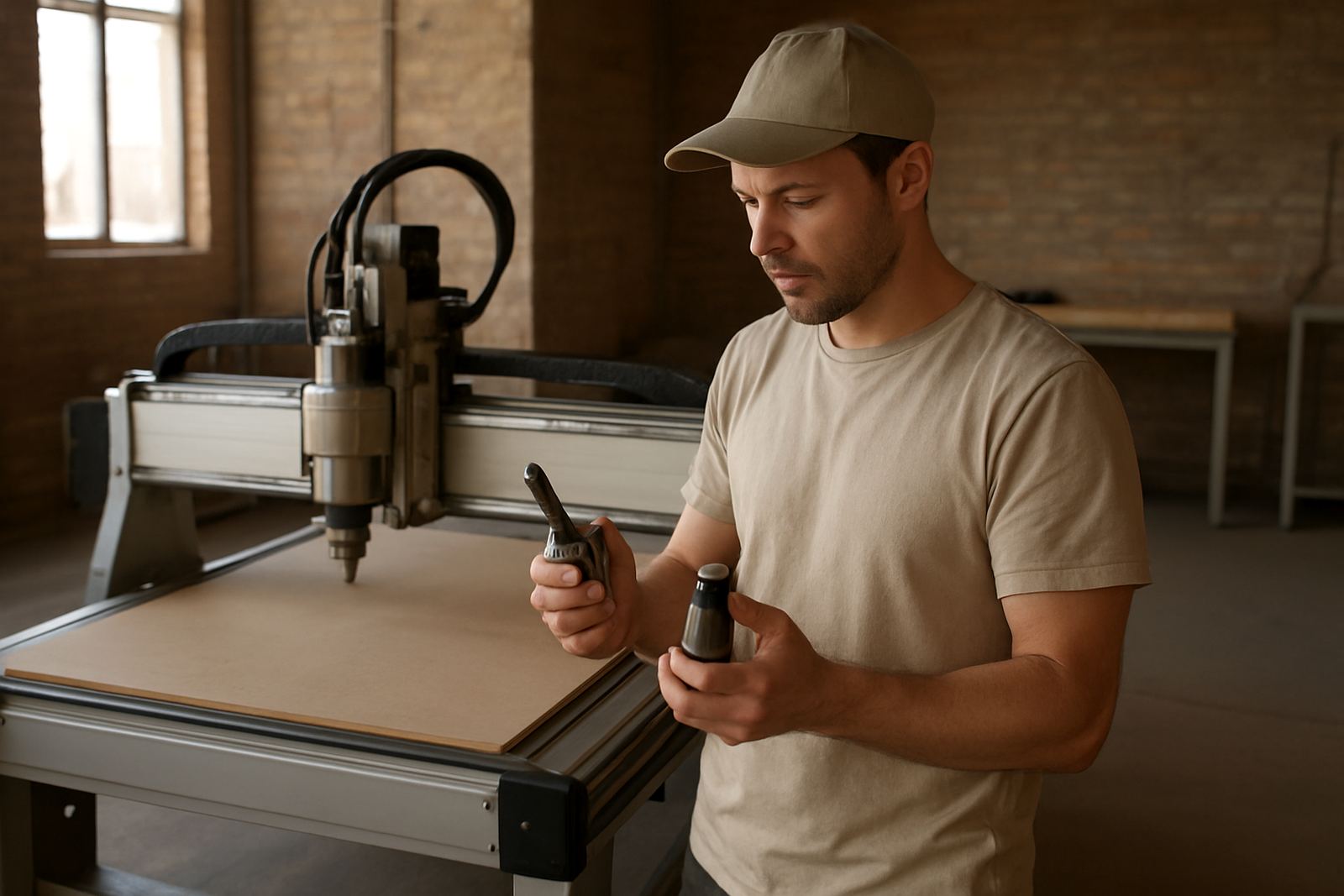
The cutter gets the attention, but the holder and collet decide how true that cutter runs. Poor runout can cause uneven edges, premature tool wear and sudden breakage, especially on long jobs or when cutting at higher feed rates. If the tooling is not seated correctly, even a decent cutter can start leaving marks that look like a feed issue when the real problem is at the spindle nose.
We check holder condition, collet wear and whether the cutter shank matches the clamping range properly. In many South African workshops the tools get changed by different operators through the day, so the simplest way to keep things steady is to use a clear holder system, consistent tightening method and regular inspection. It saves time when the load shedding schedule shifts the production window and everybody is rushing to catch up.
- Match shank size to the correct collet range.
- Keep holders clean and free of dust or resin build up.
- Replace worn collets before they start marking shanks.
- Check runout after a crash or a heavy cutter change.
Feeds, speeds and depth of cut need local reality
Tooling advice only works when it matches the machine and the workshop conditions. A cutter that performs well on a small entry router may not suit a production cell running all day in a hotter Germiston bay with dust in the air. Heat, dust extraction and spindle condition all affect how long a tool lasts and how clean the finish stays.
We help teams set sensible starting values for feeds, spindle speed and depth of cut, then adjust from there based on chip shape and sound. If the cutter is rubbing, the edge can burn or gloss over. If the cut is too aggressive, the machine may chatter or leave a rough wall. The aim is not to chase the fastest number, but to find a setting that holds up across a normal shift.
When the material comes from different suppliers, small changes in board density or glue content can change the result. That is why local testing matters more than guessing from a chart.
How we help before the cutter goes into service
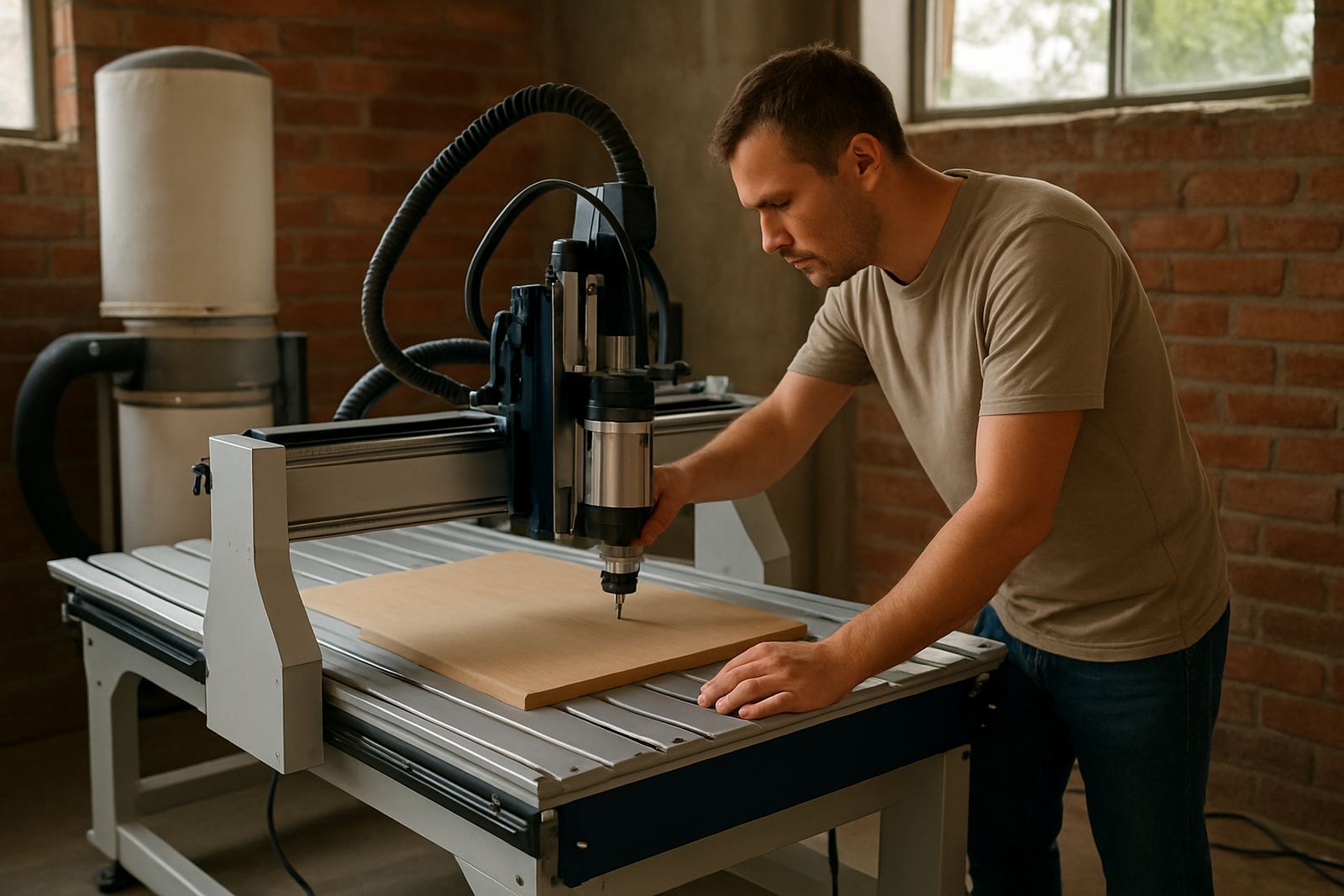
MultiCAM supports workshops with tooling setup as part of the bigger machine picture. That means we do not only name a cutter, we also check whether the table, vacuum hold-down and dust extraction are doing their part. If the vacuum leaks or the spoilboard is uneven, the best cutter in the world will still struggle to leave a clean part.
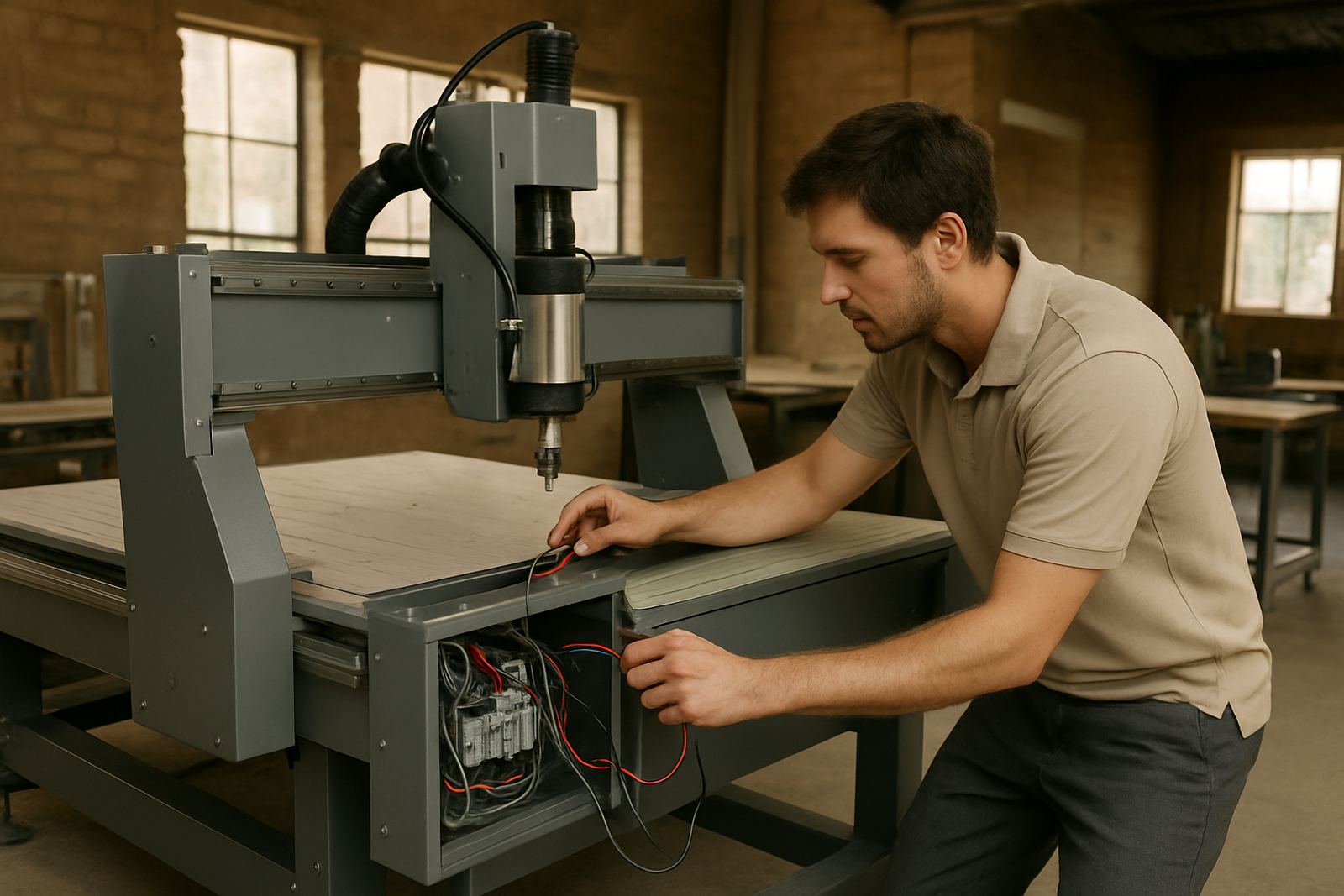
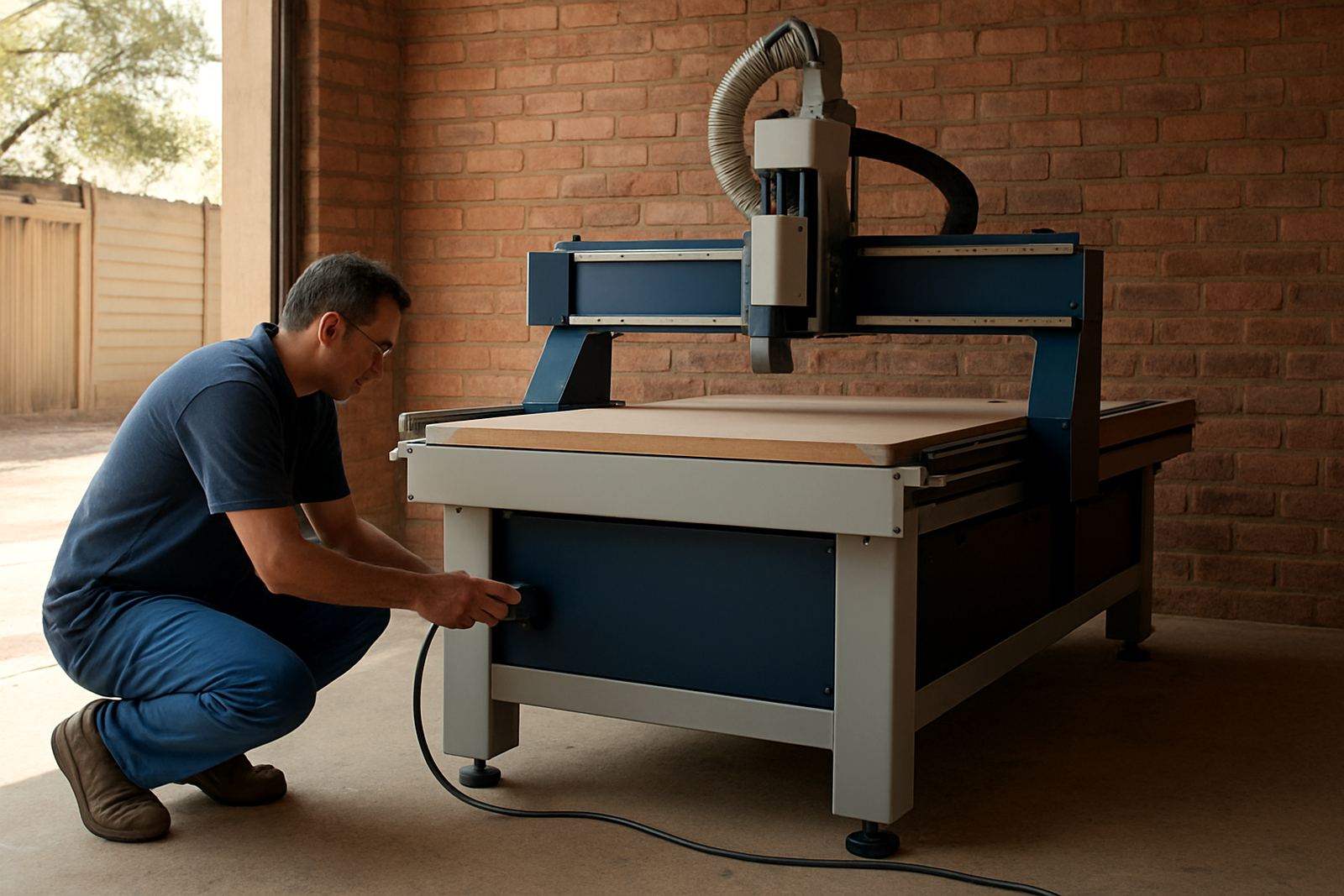
Our team can help with machine installation, commissioning, operator training and vacuum leak checks, so the tooling advice fits the actual setup on site. We also assist with controller backups and preventive maintenance, because the right tool set depends on the machine staying accurate day after day.
- Machine Installation and Machine Commissioning
- Tooling Setup and Operator Training
- Dust System Balancing and Vacuum Leak Checks
- Preventive Maintenance and Spindle Service
What to send us when you need a recommendation
To help us assess the job, send the material list, machine model, spindle power, collet sizes and the kind of finish you need. A photo of the part or a sketch also helps, especially if the job includes pockets, through cuts or tool changes. The more exact the brief, the less trial and error you need on the day.
We work from Germiston and support shops across Johannesburg East, Midrand, Pretoria East, Durban North and Cape Town North, with installs across South Africa. Whether you are setting up a new router or improving the tools on an older machine, the aim is simple: fewer breakages, cleaner edges and less wasted sheet. If a shop is running with limited spare capacity, that kind of guidance matters.
Send a message through our contact form and ask for tooling advice based on your material mix. We will help you narrow it down to cutters and holders that suit the job, not just the brochure.