Why dust extraction matters before your first sheet goes on the bed
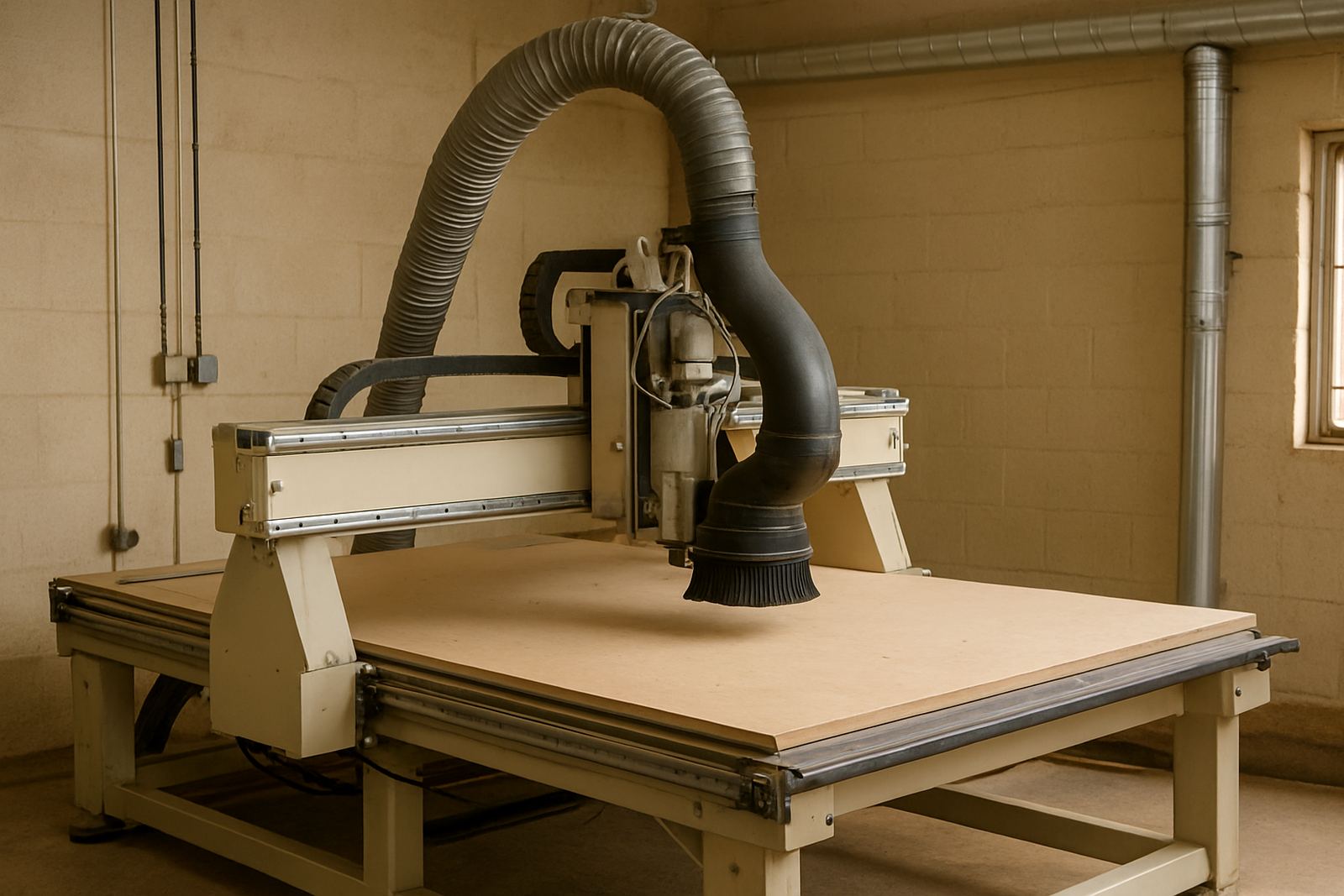
On a CNC router, dust is not just a housekeeping issue. Fine particles from timber, MDF, plastics and some soft metals can sit in guide rails, collect around the spindle, and settle in control cabinets if extraction is not doing its job. That means more wear, more cleaning time and more stoppages that could have been avoided.
Cleaner extraction also makes the job easier to check while the machine is running. When spoilboard grooves, tabs and cut lines are visible, the operator can spot lifted sheet corners, poor hold-down or a tool that is starting to lose its edge. In many South African workshops, especially where space is tight, good dust control also helps keep the floor tidy and reduces slip risk around the loading area.
Start with the material, not the machine only
Different materials create different waste. MDF produces very fine dust that can hang in the air. Plywood gives a mix of chips and dust. Plastics can leave stringy offcuts or fine swarf, while aluminium and similar soft metals need careful collection so chips do not build up around the toolpath. A single extraction setup rarely suits every job without some adjustment.
- For sheet goods, use a wide pickup near the cutter and keep hose runs as short as practical.
- For nesting work, check whether the vacuum table and extraction can work together without fighting each other.
- For plastics, watch heat build-up and clear waste often so re-cut chips do not melt back onto the part.
- For soft metals, use collection that separates heavier chips from fine dust and clean the area more often.
At the Germiston base, we often see workshops trying to run the same settings on board, acrylic and aluminium. It can work for a while, but it usually leads to poor visibility and more manual cleanup later.
Hoses, hoods and airflow need to match the job
Good dust control depends on airflow moving through the right path. If the hose is too long, kinked or too narrow, suction drops quickly. If the pickup hood sits too high above the cut, dust escapes before it can be collected. If the system is oversized but poorly balanced, one part of the workshop can get strong pull while the router gets very little.
Keep an eye on these practical points:
- Use the shortest possible hose route from machine to extractor.
- Avoid sharp bends that choke airflow.
- Check for cracked hoses and loose clamps after transport or relocation.
- Make sure the pickup point follows the tool height through the full cutting path.
- Clean filters on schedule, especially in dry inland conditions where fine dust builds up fast.
In Johannesburg East and Midrand, many shops run hard through the week and only stop over weekends. If the filter load is not checked regularly, Monday starts can be messy and the extraction drop-off may only show up after the first few sheets are already cut.
Vacuum tables and dust extraction must work together
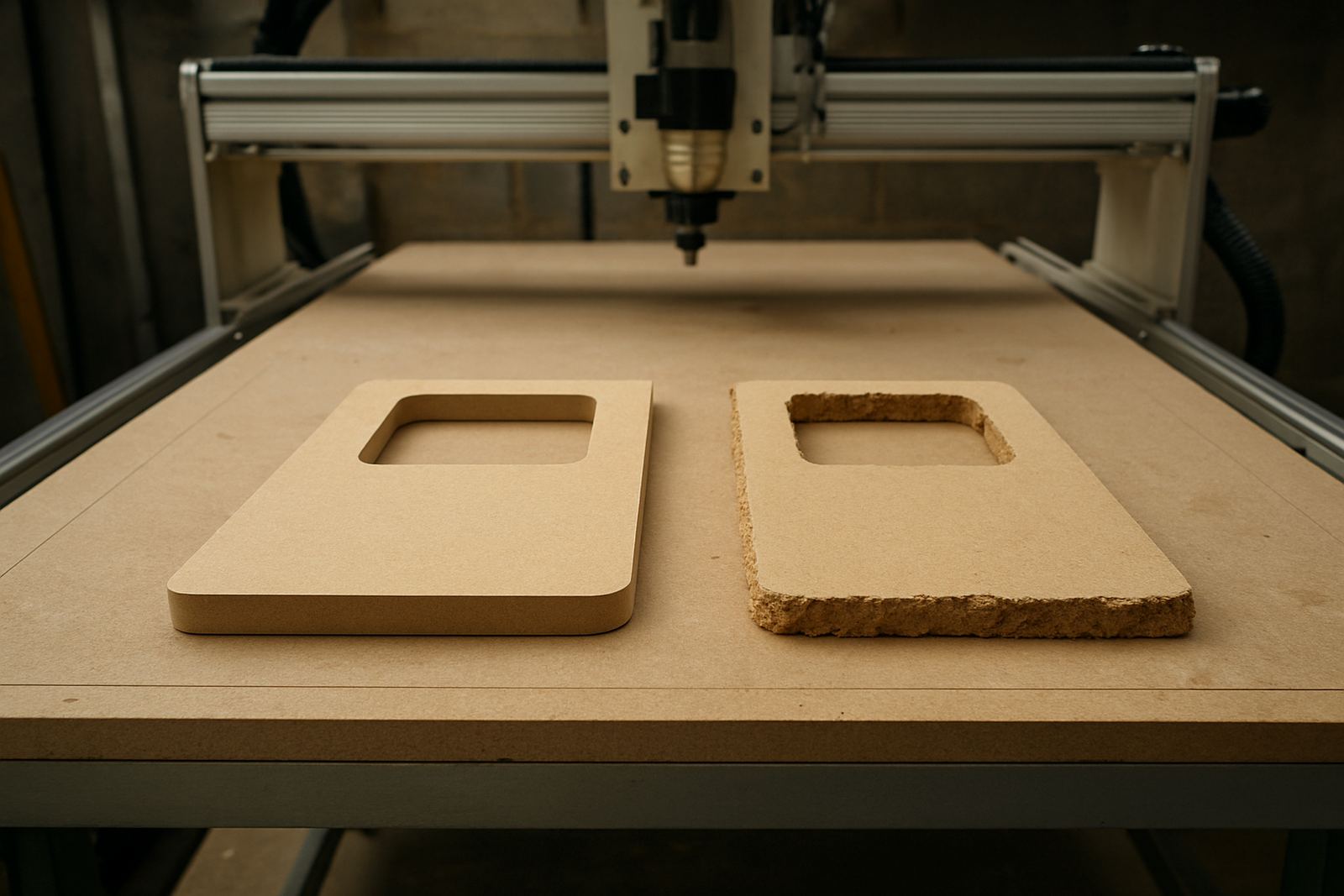
For nesting routers, hold-down and dust removal are closely linked. A vacuum table needs enough sealing and zoning to grip the sheet, but it also needs waste to be cleared away so the cutter does not recut chips. When waste sits under the board, suction can be uneven and the sheet may move slightly during contour cuts or finish passes.
That is why table setup matters as much as the extractor itself. A well set machine should keep the spoilboard clean, the vacuum zones consistent and the cutting path visible. Small leaks, damaged gaskets or worn spoilboard surfaces can all reduce performance and make it look like the extractor is weak when the real issue is at the table.
- Check for leaks around zones, hoses and seals.
- Replace worn spoilboard sections before they affect hold-down.
- Keep the vacuum table clear of offcuts that block airflow.
- Confirm that the machine and extraction settings suit the board thickness being used.
Local conditions in South Africa change the dust picture
A workshop in Germiston faces different conditions from one on the coast. Inland air is often drier and dust can move easily through the shop. In Durban North or Cape Town North, humidity can make fine dust stick to surfaces, which means more residue on panels, rails and filters. Load-shedding also changes the routine because machines may stop mid-job and waste can sit inside the cutting area longer than planned.
That is why operators should treat extraction as part of daily machine care, not only as a separate service. After an outage, check the cut area, clear settled waste and confirm that the controller, spindle and vacuum system are all ready before restarting production. A short reset takes less time than dealing with a blocked hose or a poor cut line later.
A simple workshop routine keeps problems small
The best dust control habits are usually the simplest ones. A few minutes at the start and end of each shift can prevent a build-up that would otherwise slow the whole week down. This is especially useful for smaller fabrication teams where the same operator may also be handling loading, tool checks and part sorting.
A practical routine can look like this:
- Check filter condition before the first job.
- Inspect hoses, clamps and pickup heads for damage.
- Clear the table and spoilboard after each batch.
- Empty collection points before they get full enough to reduce airflow.
- Record any weak suction areas so they can be fixed during planned maintenance.
Where dust systems are balanced properly, the workshop stays easier to manage and the machine usually runs cleaner for longer. That does not remove maintenance, but it makes the maintenance more predictable.
Training and maintenance make the difference
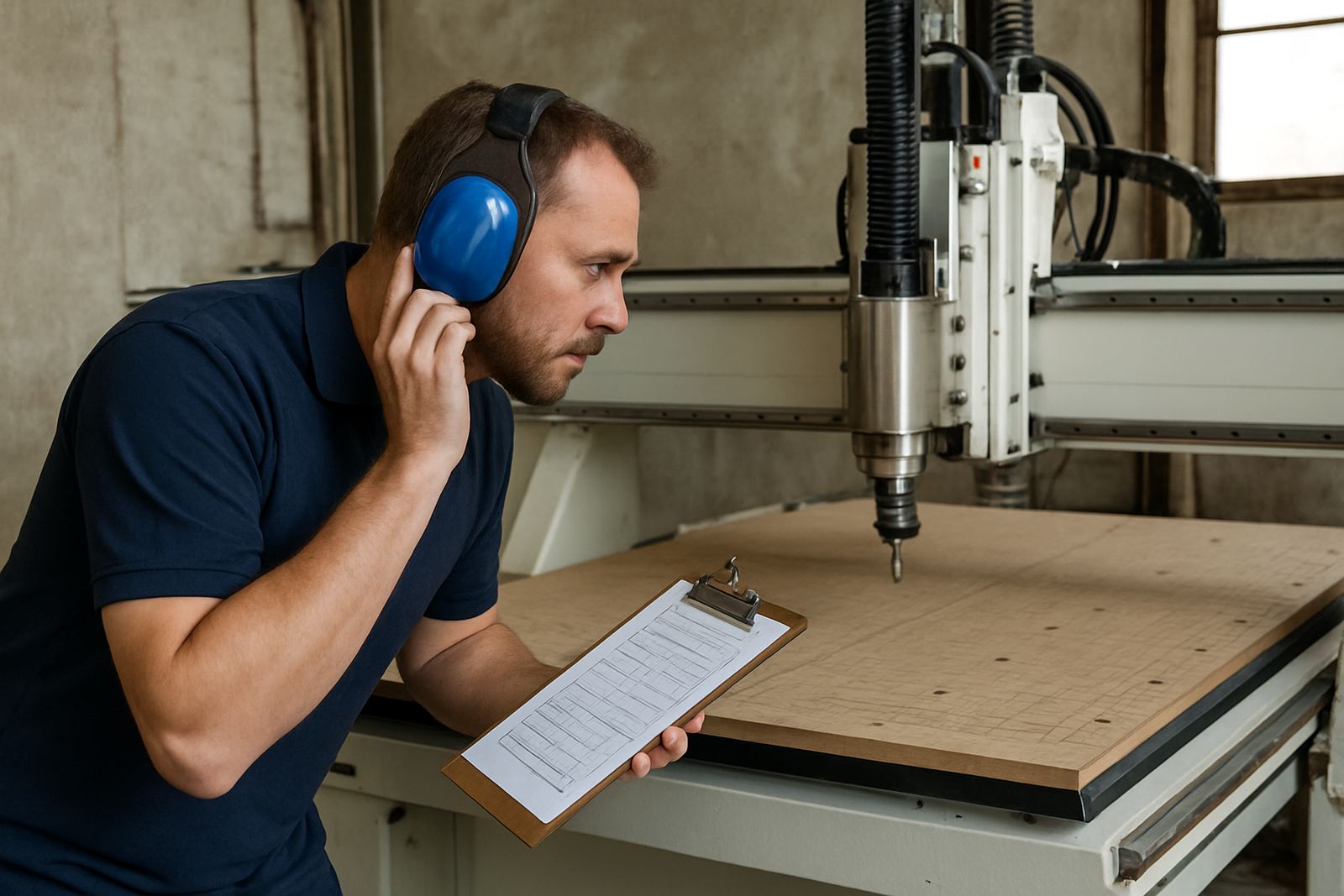
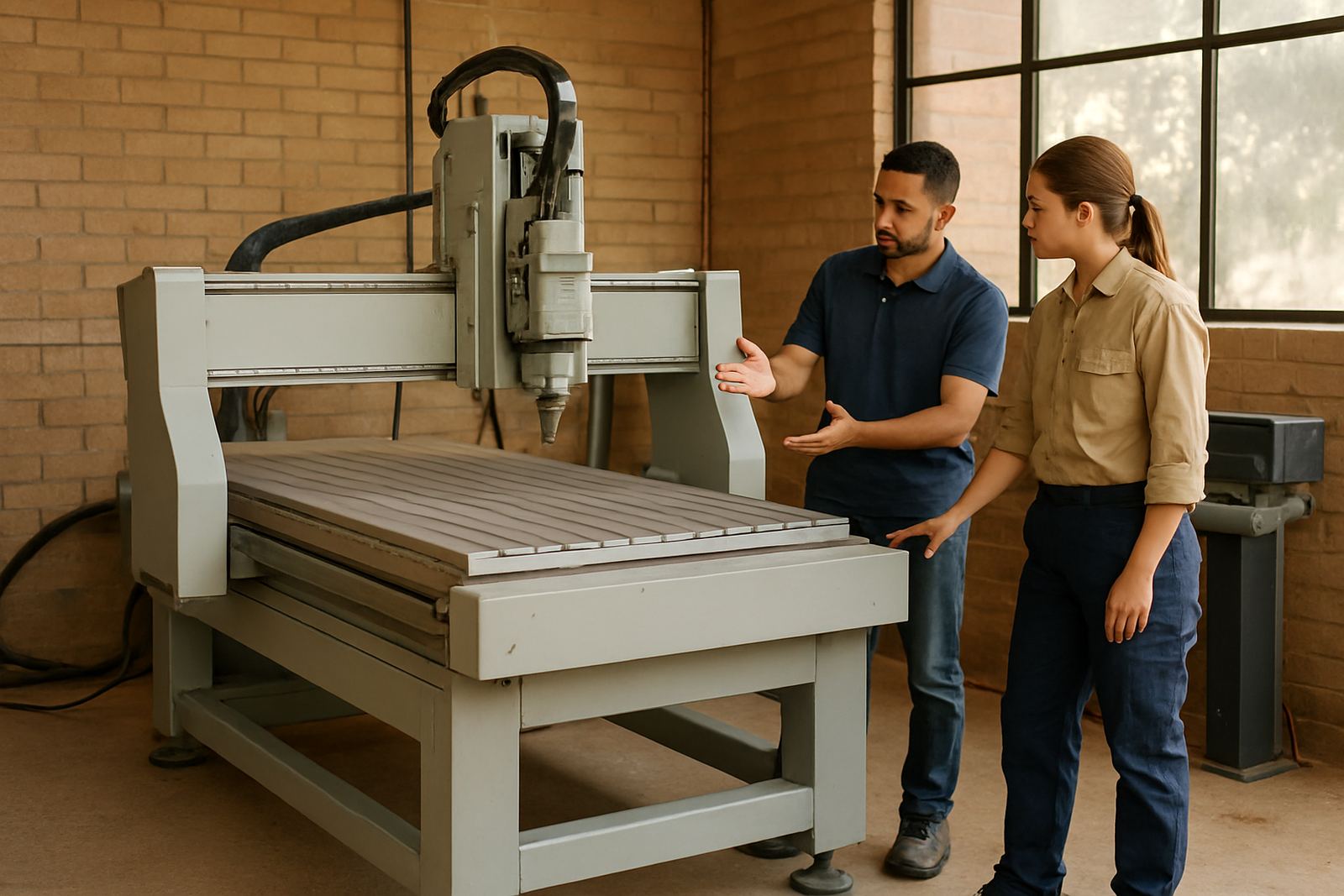
Even a good extraction system can underperform if the team has not been shown how to use it. Operators need to know which settings suit the material, when to check for leaks and what to do if the cut area starts collecting waste too quickly. Service teams should also look at vacuum performance, controller backups, tooling setup and dust system balancing as part of regular machine care.
For South African shops, the useful question is not whether the machine can cut today, but whether it can cut cleanly all month with normal working conditions. That means proper installation, sensible extraction choices and regular checks by people who understand the machine and the workshop. When those pieces are in place, visibility improves, the floor stays tidier and the whole process becomes easier to manage.