Start with one machine, one routine, one standard
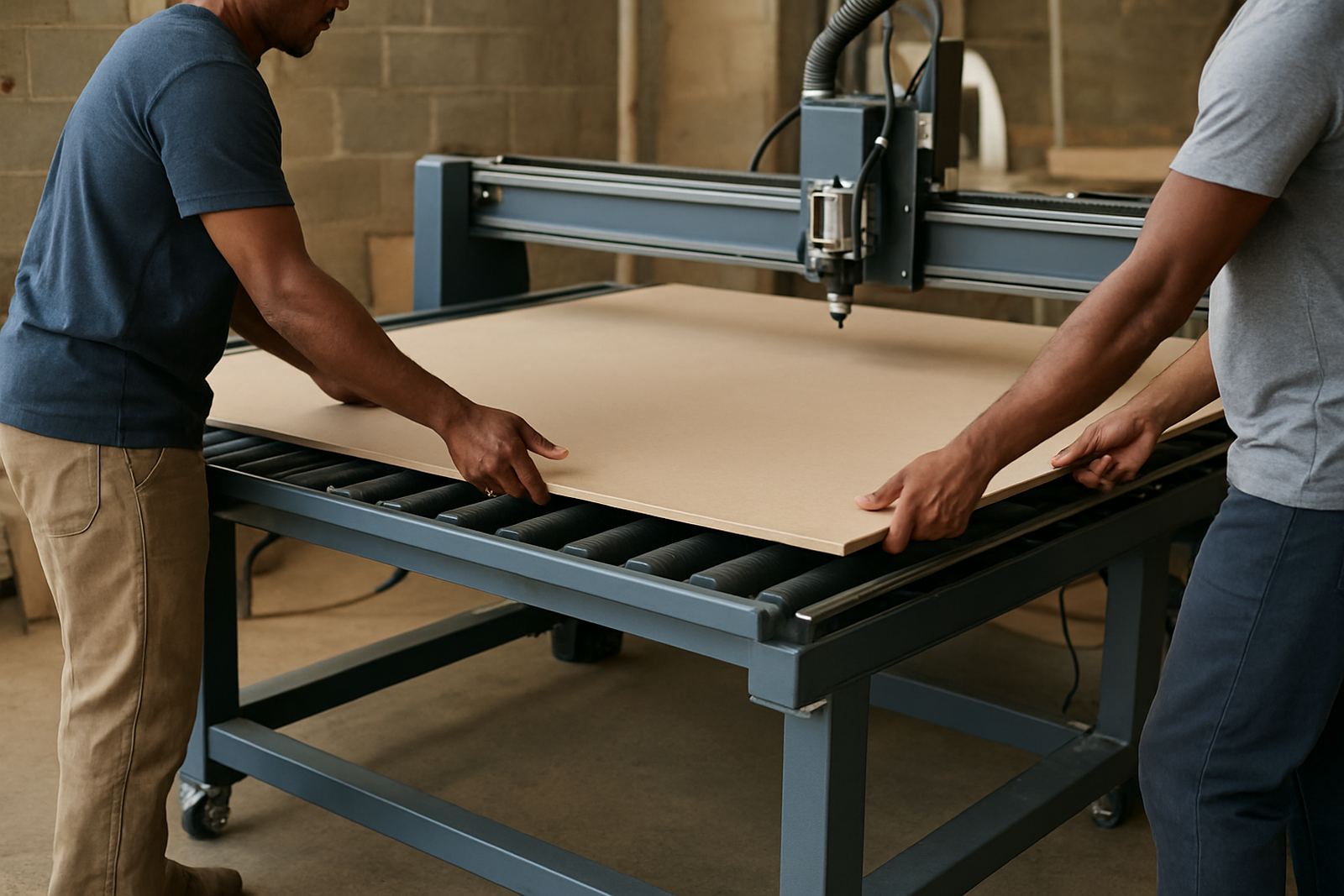
New operators do better when they are not asked to learn every function on day one. Pick one router, one material family and one repeatable workflow, then build confidence from there. A flat sheet of MDF or acrylic is a better starting point than a mixed job with tight tolerances and odd clamps. Keep the first weeks steady so the operator can focus on machine movement, loading, zeroing and the way the cut sounds when everything is right.
In many South African workshops the pressure comes from turnaround time, but rushing training usually costs more than it saves. A good routine means the same pre-start checks, the same tool inspection and the same way of setting origin points each time. That repeat pattern matters even more in workshops where load-shedding, generator changeovers or compressed air hiccups can interrupt the day. If the operator knows the sequence, they recover faster and make fewer mistakes.
- Use one written start-up checklist at the machine
- Keep the first jobs simple and visually easy to inspect
- Teach the reason behind each step, not only the step itself
- Allow the operator to repeat the same job more than once
Notes at the machine beat memory
Most new operators are not careless, they are overloaded. A neat laminated note by the control panel can prevent mix-ups that happen when someone is juggling drawings, material labels and tool changes at the same time. Keep the note short and practical. If it is too long, nobody reads it after the first week.
Good notes should explain the actions that matter every day, such as where to place the vacuum sheet, how to check the spindle is clear and what to do before pressing cycle start. If your workshop uses different tools for plastics, wood and soft metals, label those clearly too. For example, a router cutting aluminium composite panel may need a different feed approach from a timber nesting job. The operator should not have to guess.
- Write in plain English, with short steps
- Use the same words that the team uses on the floor
- Include a simple fault escalation line for the supervisor
- Keep spare copies near the machine and in the office
Controlled first jobs build confidence faster
The first successful jobs should be chosen for control, not profit. That means clean sheets, simple shapes and enough margin for the learner to concentrate. If a router is cutting cupboard parts, the first runs can be panel rectangles, shelves or test pieces before moving to full nesting layouts. On sign jobs, start with large text or plain panels before detailed cut-outs.
A controlled job also helps the trainer see where the gaps are. Does the operator struggle with vacuum hold-down, tool length setting or reading the nesting layout. Each of those can be coached before it turns into a costly mistake. In Germiston, one small workshop we worked with used to send new staff straight onto production packs after two hours. They changed that to a two day run of test sheets and simple square cuts, and the scrap rate dropped because the team stopped guessing.
It also helps to use a scoring sheet for the first week. Mark each step from loading to offloading and note where attention drops. That record gives the supervisor something useful to review, not just a vague sense that training was slow.
Teach machine sense, not only button presses
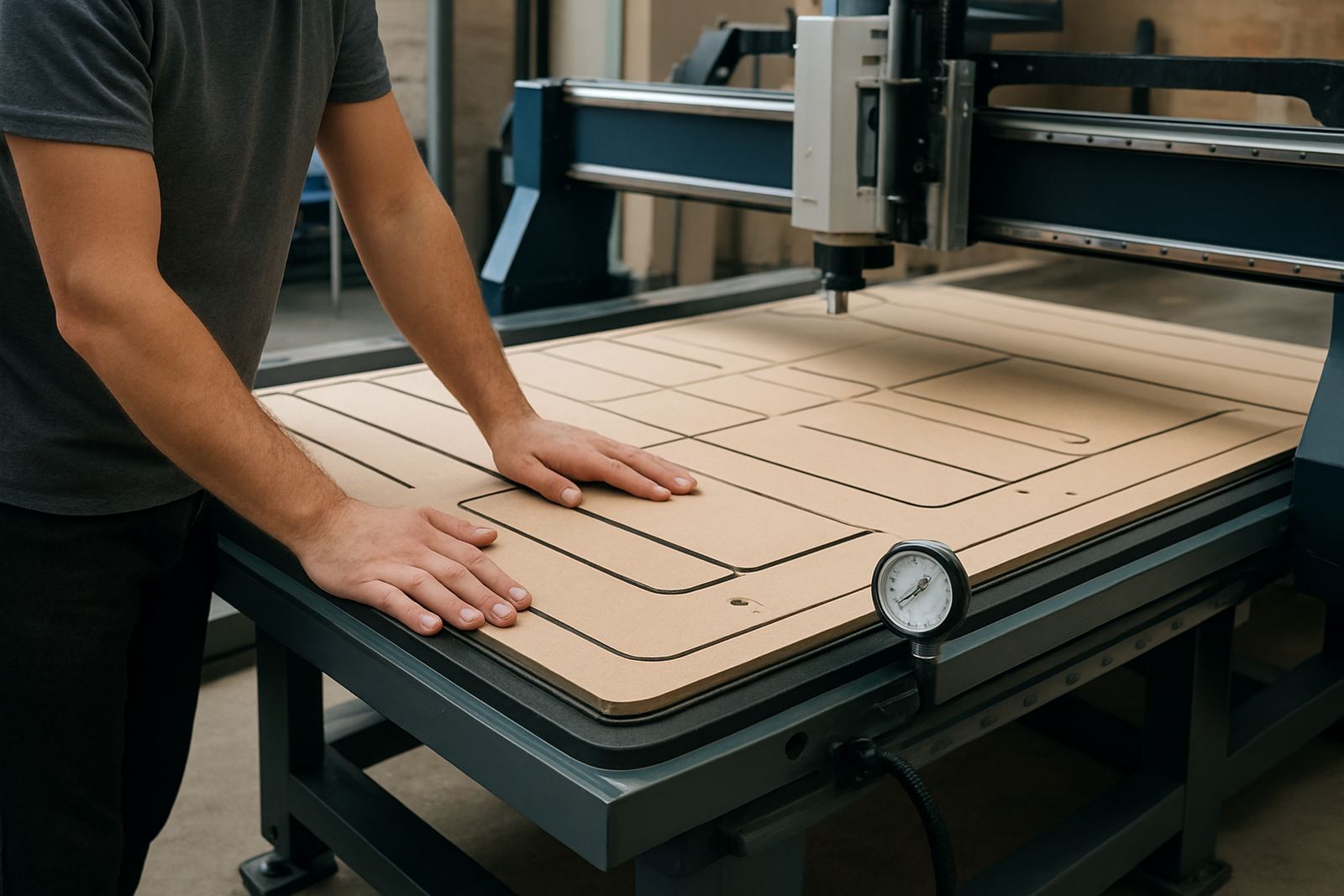
A CNC router can be operated badly even when the program is correct. New staff need to learn what the machine is telling them through sound, dust, finish quality and chip shape. If the cut starts burning, the tool is blunt or the feed is wrong. If the sheet lifts slightly, the hold-down is weak or the spoil board needs attention. If the edge looks fuzzy on plastics, the setting may be too aggressive for that material.
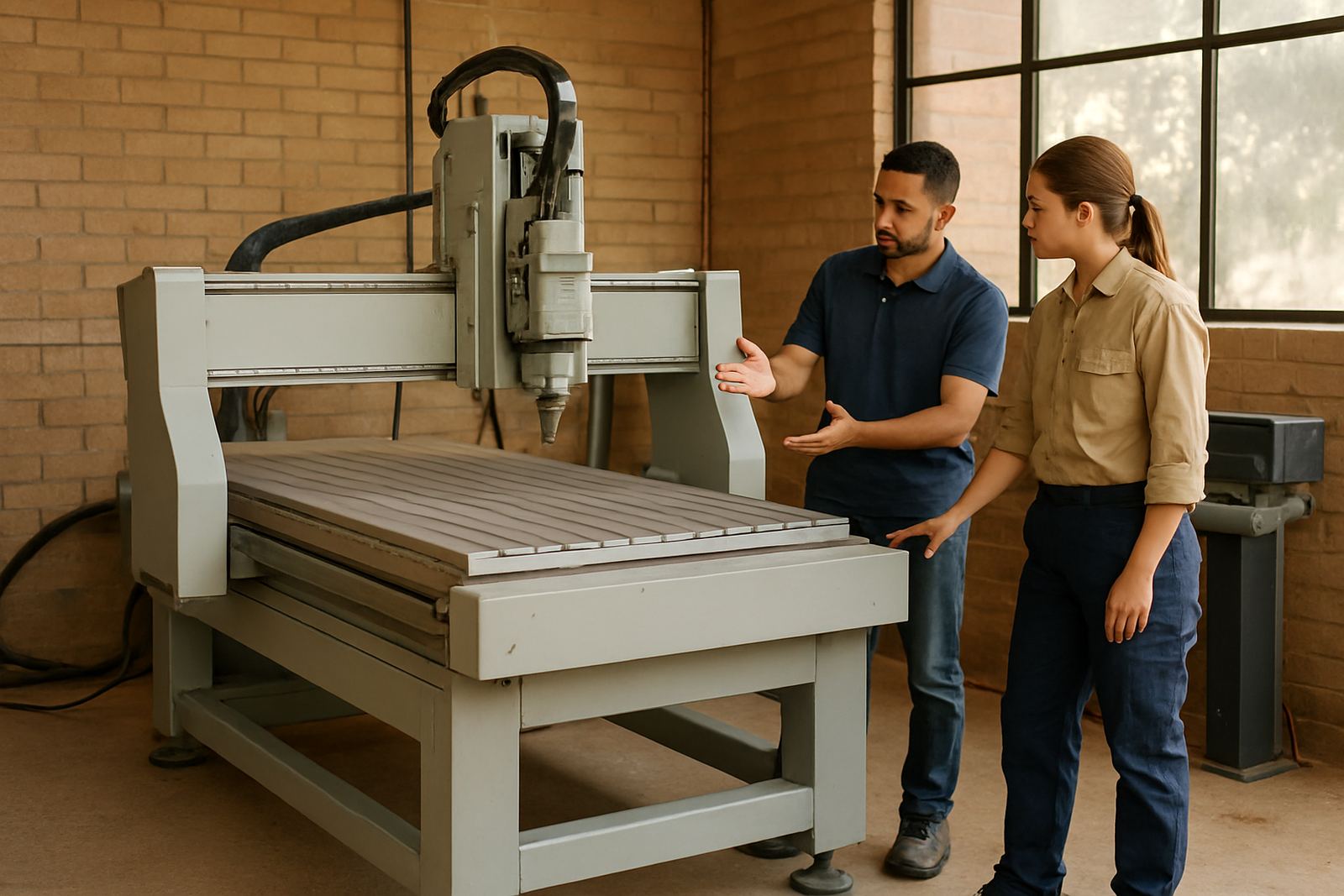
This kind of learning is easier when the trainer stands nearby for the first few runs and talks through what is happening. It is also why practical operator training should include more than just screen navigation. The learner should know how to check the table, recognise a loose collet, and stop safely if something sounds off. In a humid coastal area, or in a workshop near Durban North, moisture can affect material flatness and dust behaviour too, so the operator should be taught to watch for small changes in the job before they become faults.
- Listen for changes in spindle note during a cut
- Watch the edge finish as the tool moves through the sheet
- Check that dust extraction is actually clearing the cut
- Stop and report anything that seems different from the normal job
Keep records that help the next shift
Training does not end when the first operator gets comfortable. In workshops with more than one shift, the notes left behind can make or break the next day. A simple logbook should show what material was cut, which tool was used, any hold-down issues and whether the machine needed a reset. That way the next operator is not starting blind.
Controller backups, tool notes and a short fault history are useful too. If the router loses settings after a power cut or maintenance visit, the team can recover faster when the backup is up to date. The same applies to machine relocation and fresh installation work. A machine that is correctly levelled and rechecked, but not recorded, becomes harder to trust once a new person takes over.
Keep the record format short enough that people will actually use it. Date, job, material, tool, issue and sign off is usually enough. The aim is to create a memory for the team, not more admin for the sake of it.
The trainer should know when to step back
Good training is not about hovering over the operator forever. It is about giving enough support for safe habits, then stepping back once the routine is stable. The supervisor should watch for signs that the learner is ready: fewer questions on repeat tasks, cleaner setup, better material handling and calm reactions when a job changes. When those signs appear, the next step is a slightly harder job, not a brand new process all at once.
For South African workshops balancing tight schedules and uneven power supply, that steady handover matters. A trained operator who understands the basics of vacuum checks, tooling setup and daily care can keep production moving while the rest of the team handles quoting, finishing and dispatch. It is a practical investment. You gain fewer scrapped sheets, less unplanned downtime and more confidence on the shop floor.
At MultiCAM, we see the same pattern across Johannesburg East, Midrand, Pretoria East and beyond. The workshops that train well are not the ones with the fanciest machines. They are the ones that keep the first jobs simple, use clear notes and give new operators enough time to learn the rhythm of the machine before the pressure rises.