When the machine is no longer matching the work
The clearest sign is not a breakdown, it is a pattern. Jobs take longer than they should, operators are waiting on changeovers, and the machine is busy while the team around it stands still. In a busy Johannesburg or Germiston workshop that can mean missed delivery slots, overtime and extra pressure on every follow-on process.
If your quotes are based on a machine that used to cope but now cannot keep up with panel sizes, nesting volume or repeated short runs, the business has changed. The machine may still cut well, but if it no longer suits the way you work, an upgrade can be the practical move.
- Cut times are stretching because parts are larger or layouts are tighter.
- Operators are reloading too often for small batches.
- Jobs are queued up even though material and labour are available.
- The machine is sound, but the process around it is holding the shop back.
Signs the bottleneck is handling, not cutting
Many workshops blame the router when the real delay sits in loading, clamping or moving sheets around the floor. If two people are needed just to keep the table fed, or if sheet handling is becoming awkward in a narrow room, the machine cell may need attention. A better table layout, vacuum hold down or material flow can make a bigger difference than a faster spindle alone.
Coastal humidity in places like Durban North can add another layer of trouble, especially where sheet stock swells, dust sticks and tools lose consistency. A better setup can reduce rework and keep setup time under control. It also helps if the machine is easier to access for cleaning because a workshop that cannot be cleaned quickly tends to lose time every day.
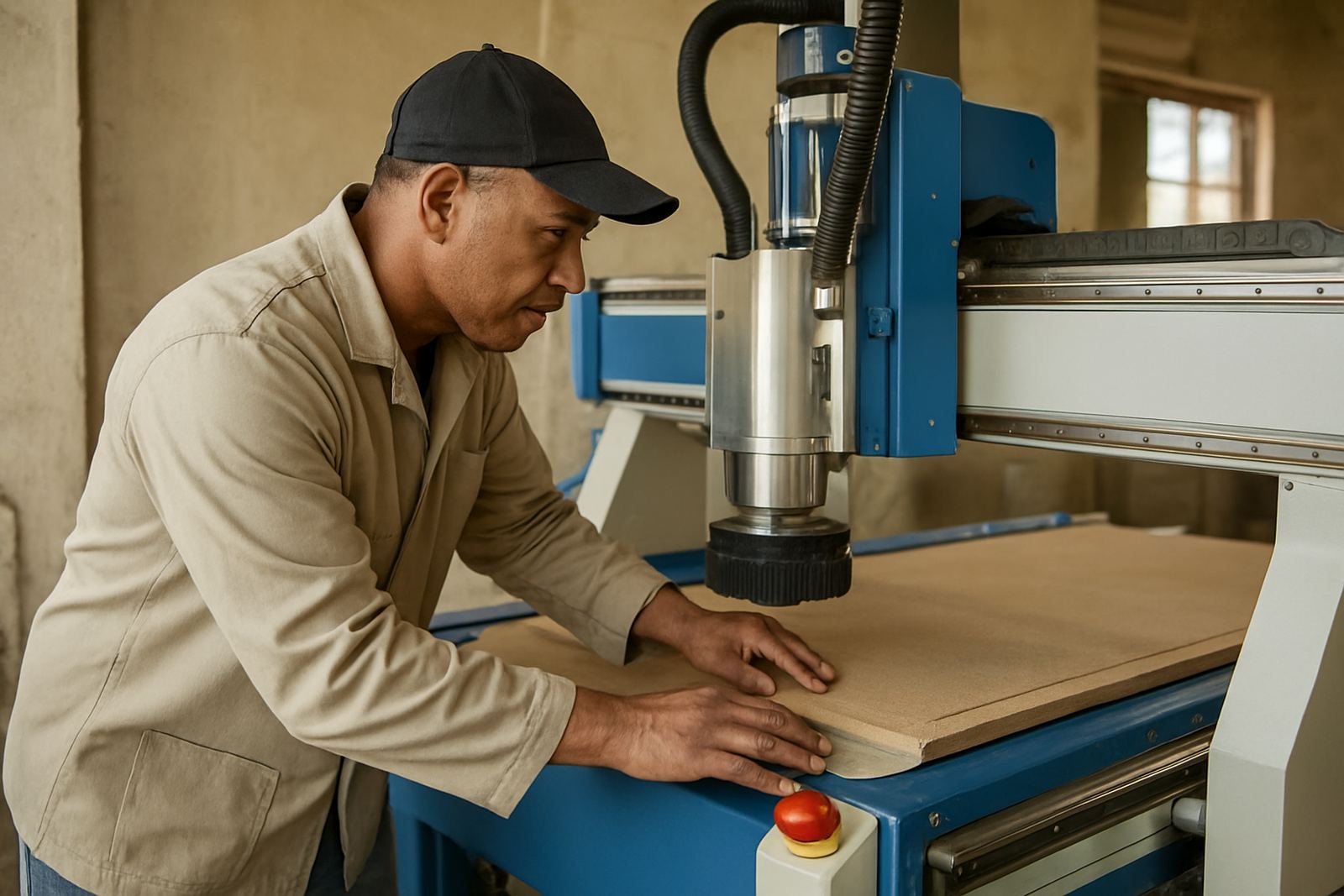
- Sheets are being damaged while moving them onto the table.
- Manual clamping is slowing down every change.
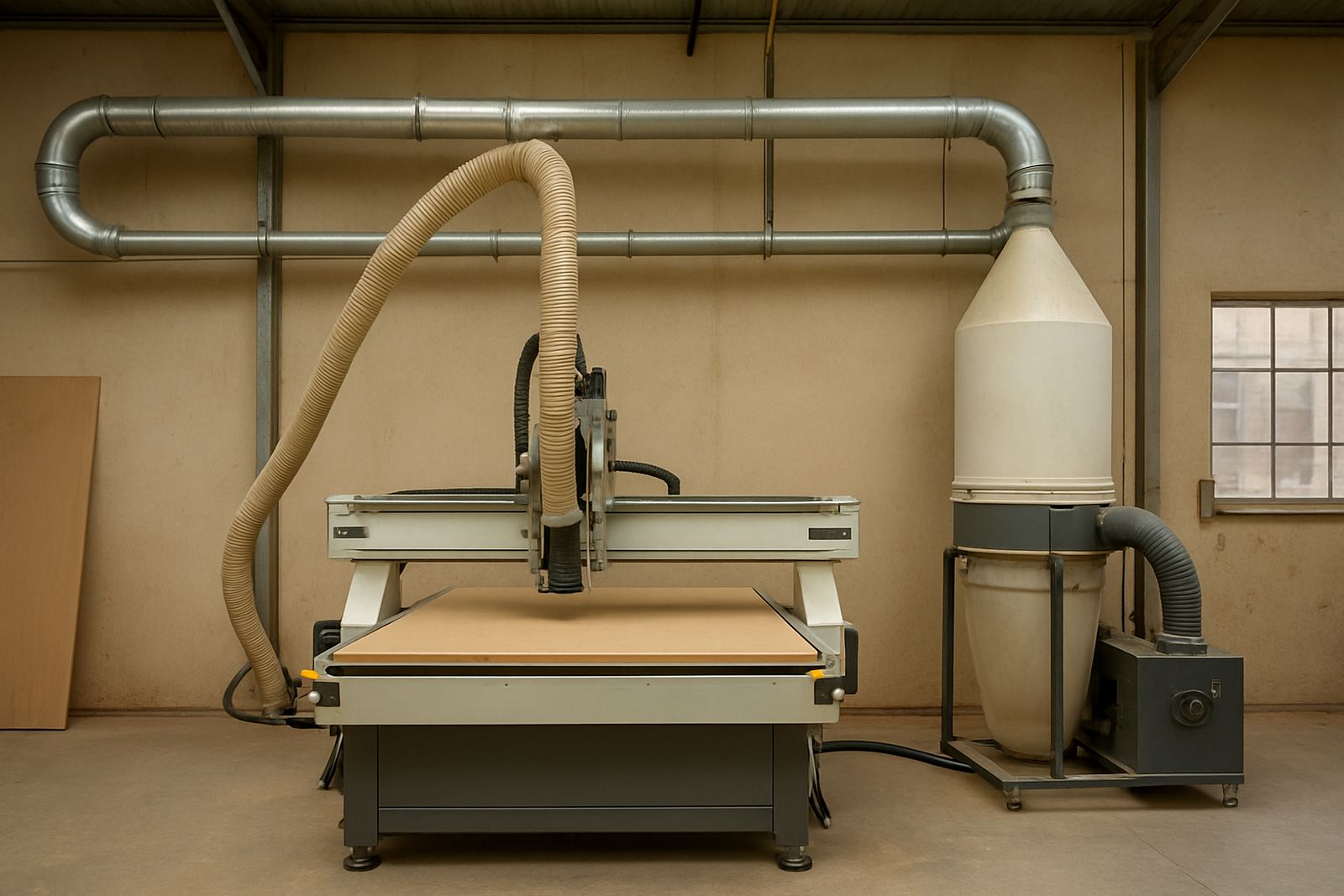
- Dust extraction is not keeping up with cut volume.
- The operator spends more time managing the job than running it.
Repeated tool changes are a warning sign
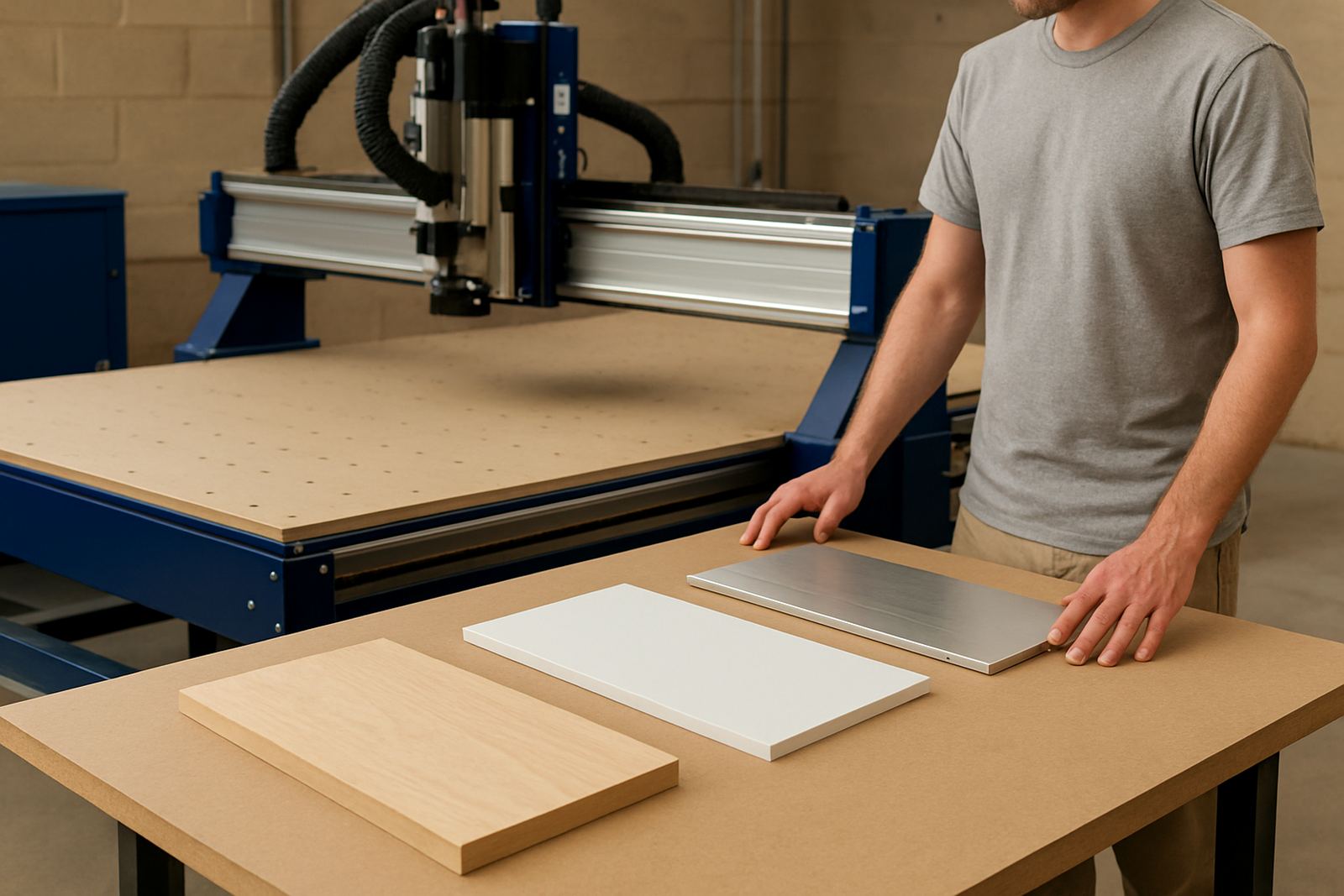
If your jobs are regularly interrupted for tool swaps, tool setting or test cuts, the setup is asking too much from the operator. That becomes a bigger issue when the work mix includes furniture parts, signage and routing in plastics or soft metal on the same week. Too many changes mean more chances for error and more time spent checking what should already be known.
This is where a better machine configuration, tooling plan and controller routine can pay off. With the right spindle setup, automatic tool handling where needed, and clear tooling notes, the team spends less time resetting and more time cutting. For many shops this is the point where an entry machine starts to feel like a stop gap.
- Tool wear is hard to predict because different jobs need different cutters.
- Test runs are needed before every proper production shift.
- Operators rely on memory instead of a set process.
- Changeover mistakes are creating scrap or rework.
When maintenance costs start to stack up
There is a difference between sensible maintenance and a machine that is steadily eating money. If spindle repairs, vacuum checks, controller resets and small electrical fixes are becoming normal, the real cost is not only in the invoice. It is in the lost production hours and the pressure on the crew when deadlines still have to be met.
A workshop in Pretoria East may not need the same setup as a coastal sign shop, but the logic is the same. If the machine needs constant attention just to stay production-ready, the business may be better off planning an upgrade before a hard failure forces the issue. That gives you time to compare table size, dust extraction, power needs and relocation costs instead of rushing through a panic purchase.
Look closely at these points:
- How often the machine is offline in a normal month.
- Whether spare parts are easy to source or slow to arrive.
- How much time is spent rechecking accuracy after service work.
- Whether maintenance is predictable or always urgent.
Match the upgrade to the way your shop really works
The best time to upgrade is not when the old machine finally gives up. It is when you can still plan the change properly. That means looking at material sizes, daily output, floor space, power supply, dust control and who will run the machine. A new router should fit the workshop as it is now, not as it looked three years ago.
For fabricators and furniture makers in Germiston, Midrand or Cape Town North, the right machine is often the one that reduces handling first. Entry systems suit smaller batches. Larger production cells make sense where nesting volume is steady and the team needs repeatability. In either case, the choice should be based on production flow, not just machine speed.
Useful questions before you upgrade:
- How many sheets or jobs must be completed in a normal shift?
- Can one operator manage loading, cutting and checking safely?
- Will the new machine fit your current dust system and power supply?
- Do you need faster throughput or fewer setup interruptions?
A local example from a Germiston workshop
A small furniture shop in Germiston was running a dependable router, but the team was losing time on nested cabinet parts, frequent tooling changes and sheet handling. The machine still cut accurately, yet each day was being pushed by the same bottlenecks. Orders were getting bigger and the crew was working later, which is usually the point where owners start asking the wrong question, namely whether the machine is still fine.
The better question was whether the current setup still suited the work. After reviewing table size, vacuum hold down, operator flow and tooling, the shop moved to a more suitable configuration with clearer setup steps and a better dust arrangement. The result was not only faster cutting. It was less stopping, fewer checks and a calmer shift. That is what a good upgrade should do.
Once the work flow is steady, the machine stops being the problem and starts being part of the solution. That is the shift to look for, and it is usually visible long before the old setup completely gives way.