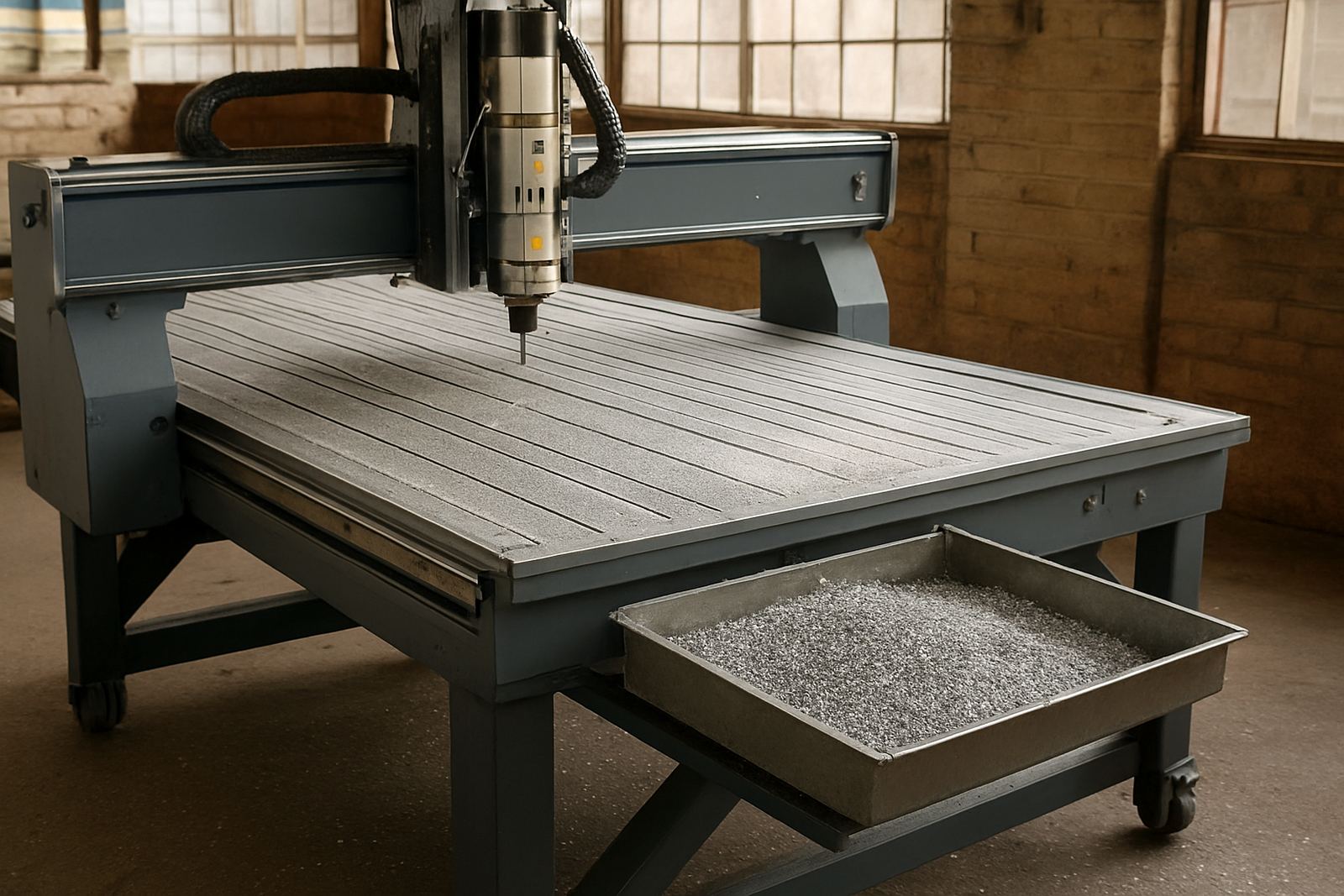
Why soft metal routing needs a different setup
Soft metals like aluminium and brass do not forgive loose tables, poor clamping or tired tooling. They cut cleanly, but only when the machine stays steady and the chip load is kept under control. If the setup is too light, the cutter rubs instead of cutting, heat rises and the finish starts to suffer.
In South African workshops, this matters even more when power interruptions, dust and long production days all come into play. A router that works well on board can still struggle on metal if the table flexes or the vacuum plan is weak. The goal is simple: hold the job firmly, clear the chips and keep the spindle doing one job only.
Choosing a machine for aluminium and other soft metals
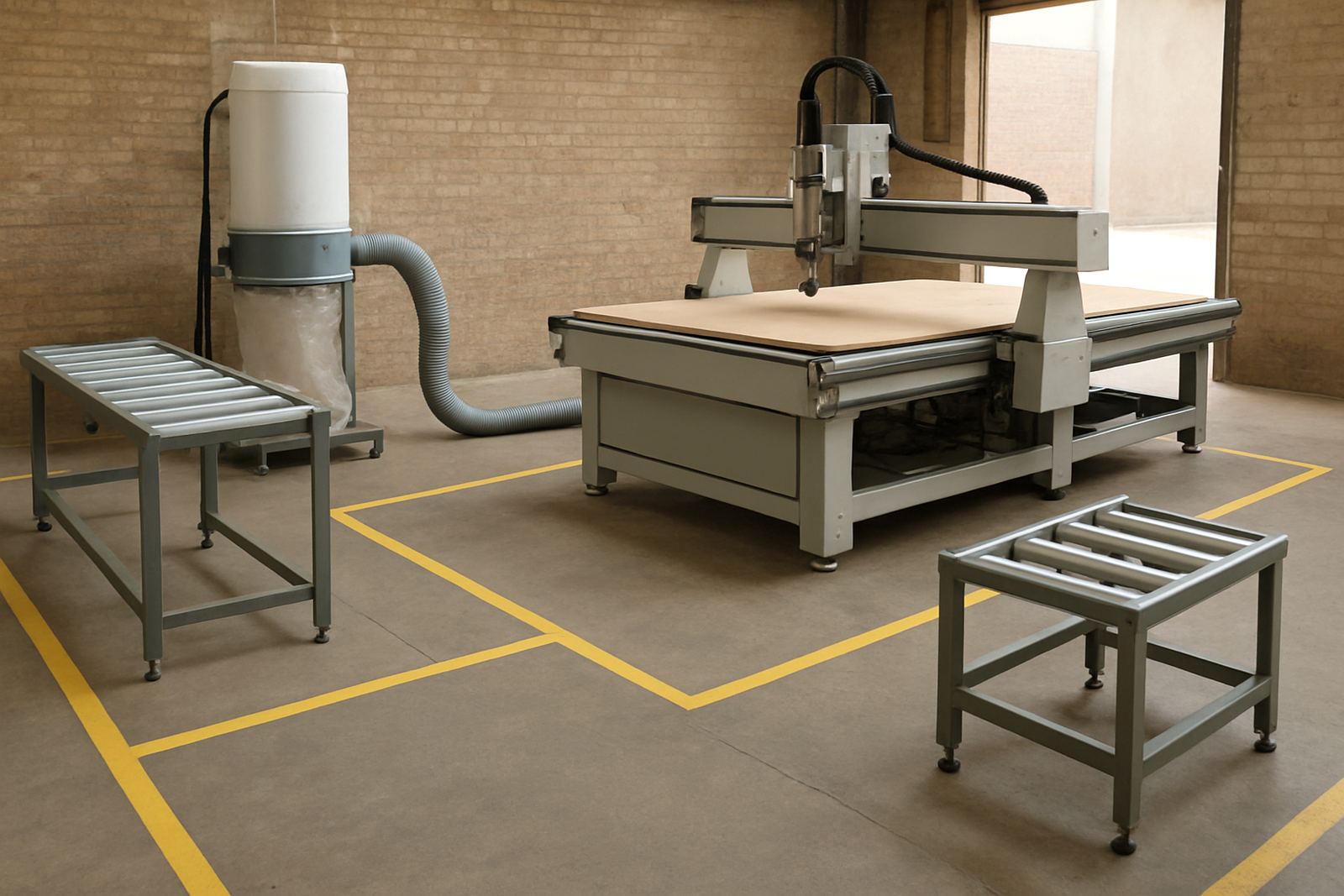
For soft metal work, machine selection is about stiffness first. A solid frame, well supported gantry and accurate motion system will usually do more for cut quality than pushing speed. If the machine is too small for the panel size or the nesting pattern, the operator ends up fighting chatter and edge marks.
- Check the table size against the largest sheet you will process
- Ask how the machine handles chip evacuation on narrow pockets and long cuts
- Confirm spindle speed control for lower RPM work
- Look at the vacuum layout if you plan to run mixed material jobs
For fabricators in Germiston, Kempton Park or Randburg, that often means balancing footprint with production needs. A compact unit may suit sign work and small parts, while furniture teams usually need more table support and better nesting flow.
Tooling that cuts cleanly without chewing the part
Soft metal tooling needs to be chosen with care. A cutter made for wood will not behave well on aluminium, even if it looks sharp enough. The edge geometry, flute count and coating all affect finish and chip flow. Too many flutes can pack chips in the cut, while the wrong relief can leave burrs that need extra hand finishing.
Practical tooling notes help operators avoid wasted material. It is also worth matching tool length to the real job, not just the deepest pocket on the drawing. Longer tools flex more and flex shows up fast on thin wall parts and small tabs.
- Use cutters specified for the metal you are processing
- Keep cutter stickout only as long as the job needs
- Replace worn cutters before finish quality drops too far
- Keep a clear record of speeds, feeds and tool life for repeat jobs
Chip control, vacuum and cooling basics
Soft metal routing produces chips that must leave the cut quickly. If they stay in the path, they recut and heat up the part. Good extraction helps, but the machine also needs sensible feed settings and a clean table so chips do not build up around clamps and spoil the next pass.
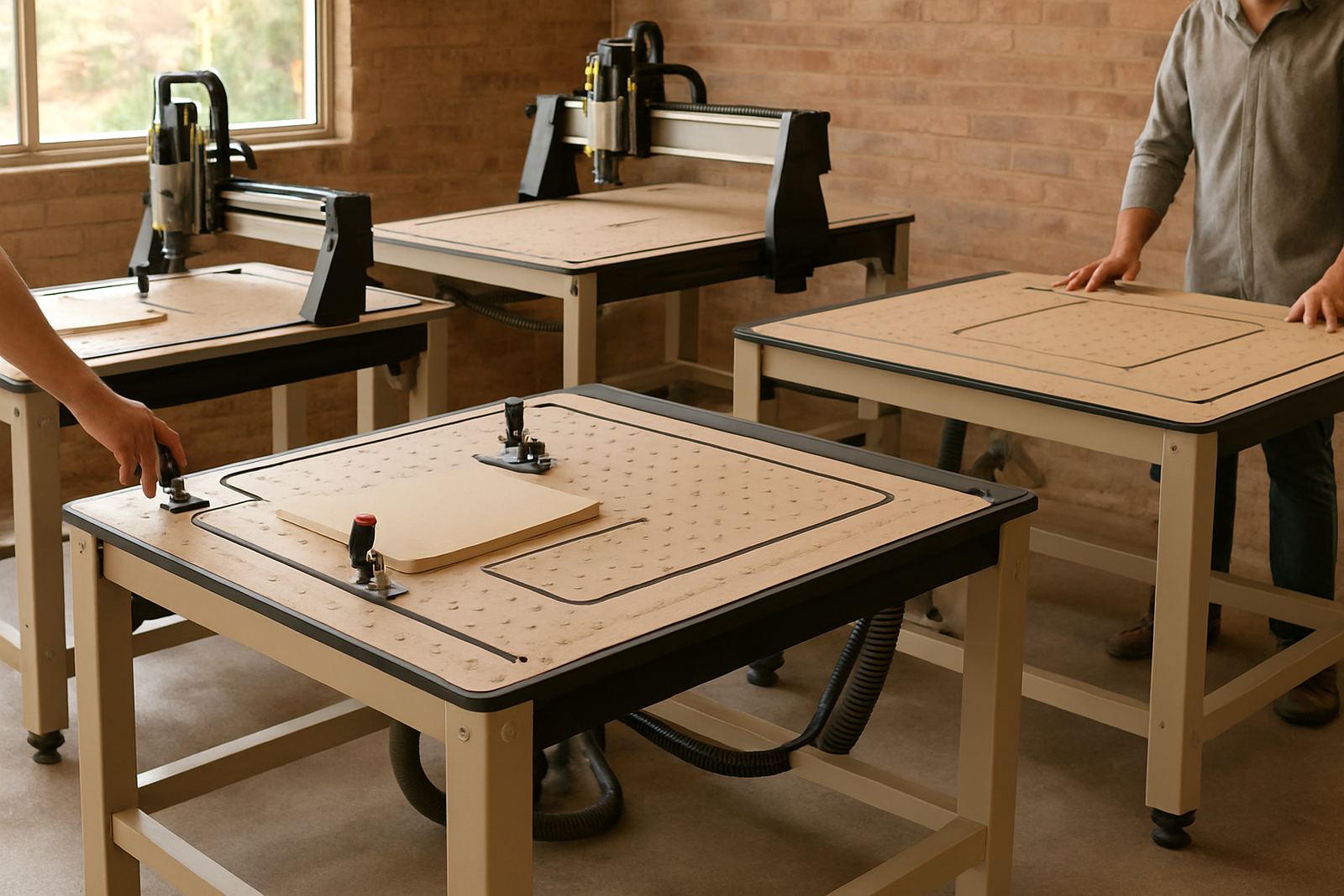
Vacuum systems are often discussed only in relation to board, but in mixed workshops they still matter. If the bed is leaking or the hold down is uneven, thin metal sheets can move and ruin the job. In humid coastal areas like Durban North, keeping the system balanced and filters maintained is especially useful because moisture can make dust and chips cling where they should not.
- Keep vacuum zones matched to the part size
- Check for leaks around gaskets and worn seals
- Clear chips between passes on long nested sheets
- Use dust and chip extraction sized for the actual workload
Setup habits that keep parts within tolerance
Good results often come down to the small checks done before pressing start. On soft metal jobs, measure the sheet thickness, confirm the origin point and make sure the part is fixed flat. Even a slight lift in the middle of a panel can change a cut enough to create finishing work later.
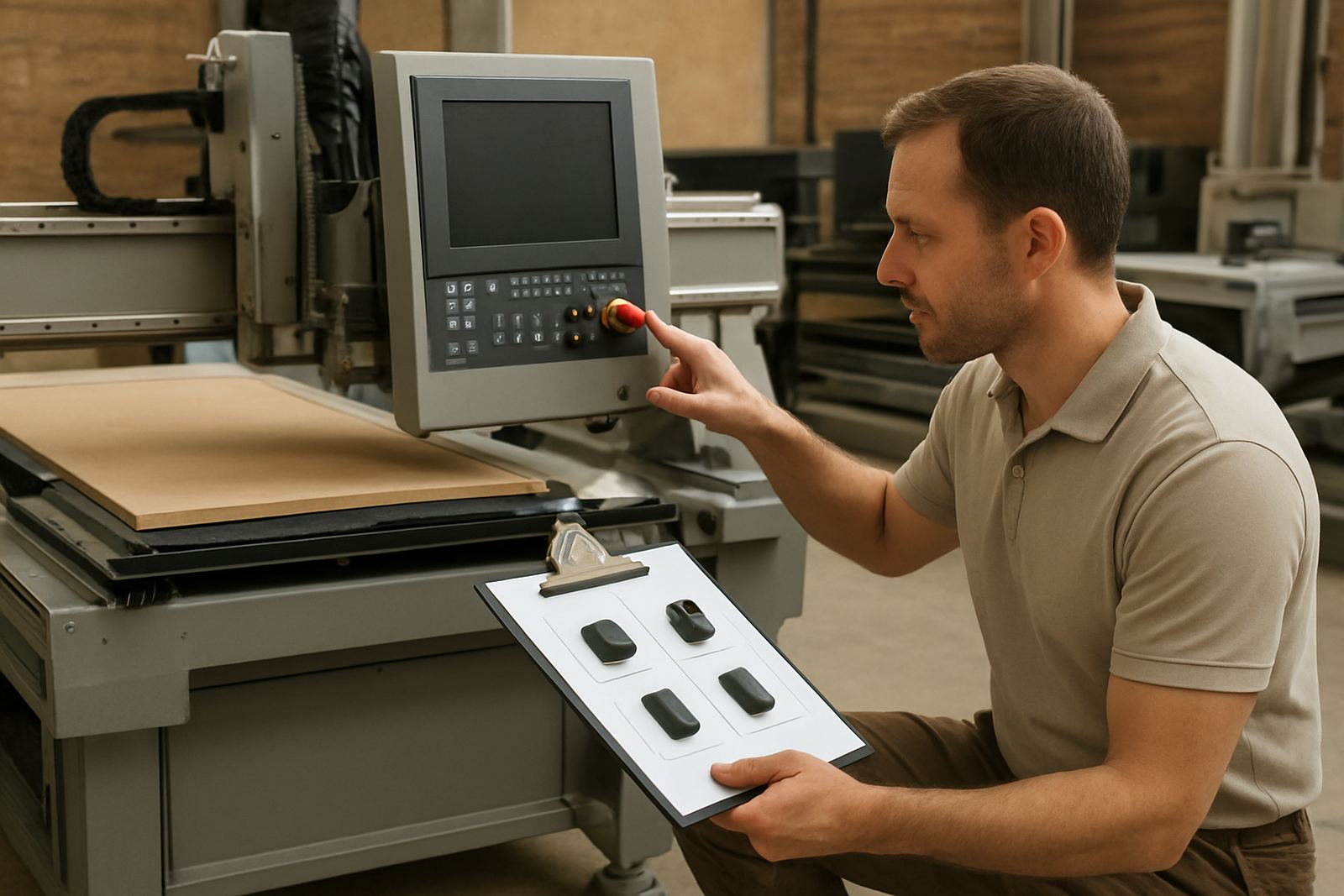
Operators also need a clean process for backups and machine settings. If a controller loses a setup after a power event, the team should be able to restore the last known good file without guesswork. In Johannesburg East and Midrand, where production schedules are tight, that kind of routine saves time and avoids scrap.
- Verify sheet thickness before each run
- Clamp or vacuum the material so it cannot shift
- Record the working program and controller settings
- Do a short first-piece check before running the full batch
A Germiston example from mixed production
A furniture and display workshop in Germiston might cut board in the morning and aluminium trims in the afternoon. That changeover is where many problems start. If the machine is cleaned poorly, if the tooling is not changed to suit the new material, or if the vacuum plan is left as it was, the metal run will show it quickly.
Our approach is to treat soft metal routing as a controlled process, not a lucky one. That means installation checks, practical operator training and a maintenance schedule that covers spindles, table condition and dust system balancing. When the basics are right, the workshop can move between materials with fewer surprises and less rework.
Support that keeps metal jobs predictable
Soft metal routing works best when the machine, tooling and support plan are all aligned. That is why service matters as much as the purchase. A router that gets regular preventative maintenance, spindle attention and vacuum leak checks will usually stay easier to run, especially in busy shops that cannot afford stop-start production.
MultiCAM supports South African teams with machine installation, commissioning, operator training, tooling setup, machine relocation and dust system balancing. For shops in Pretoria East, Cape Town North or Durban North, having the same practical guidance across sites helps keep output steady and the learning curve shorter. If the team knows what the machine wants, the parts come off cleaner and the day runs better.