Steadier CNC cutting for the Bloemfontein shop
The client was a panel fabricator in Bloemfontein working across plastic components, light alloy parts and occasional sheet stock for fit-outs. Their brief was simple enough to say but harder to achieve in the workshop: keep cut quality consistent, reduce manual trimming, and make nesting more predictable from job to job.
Before the install, the team was relying on a mix of hand routing and older cutting methods that were fine for small runs but costly on repeat work. Edges varied, parts needed extra clean-up, and the team could not always hold tolerance when the day got busy. In summer, dust and heat made matters worse, and they wanted a machine that would tolerate a South African workshop rather than a showroom floor.
What we supplied for the material mix
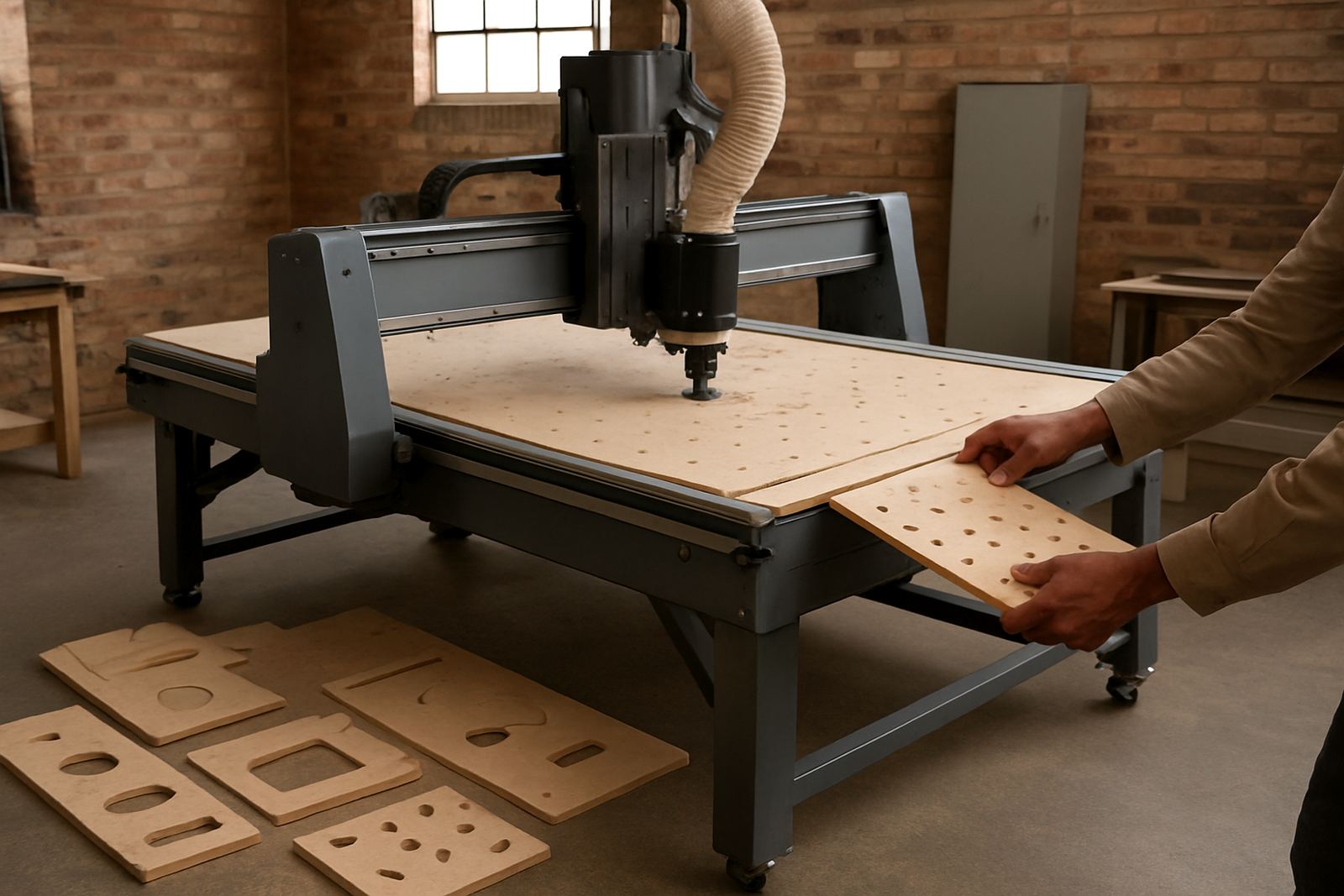
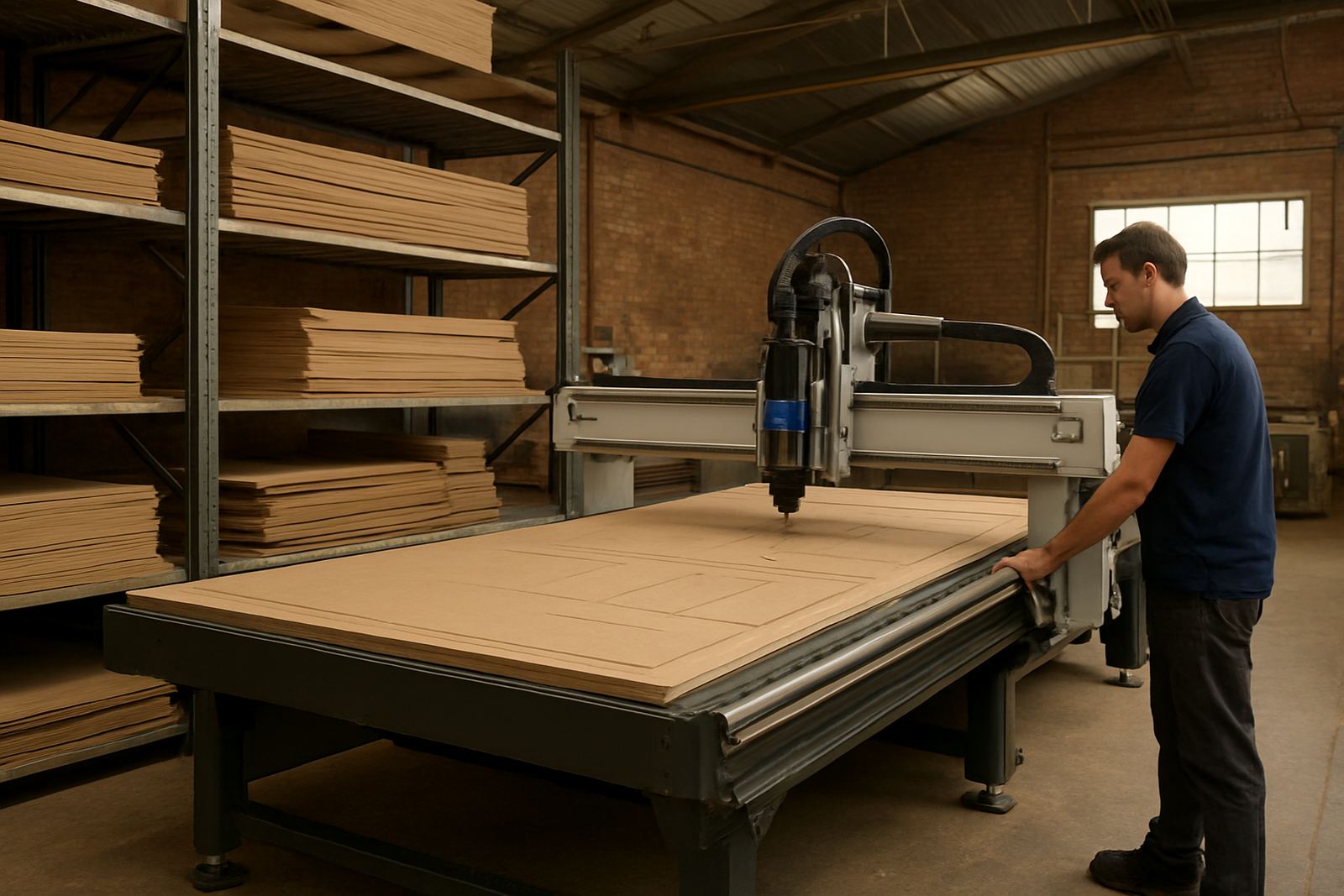
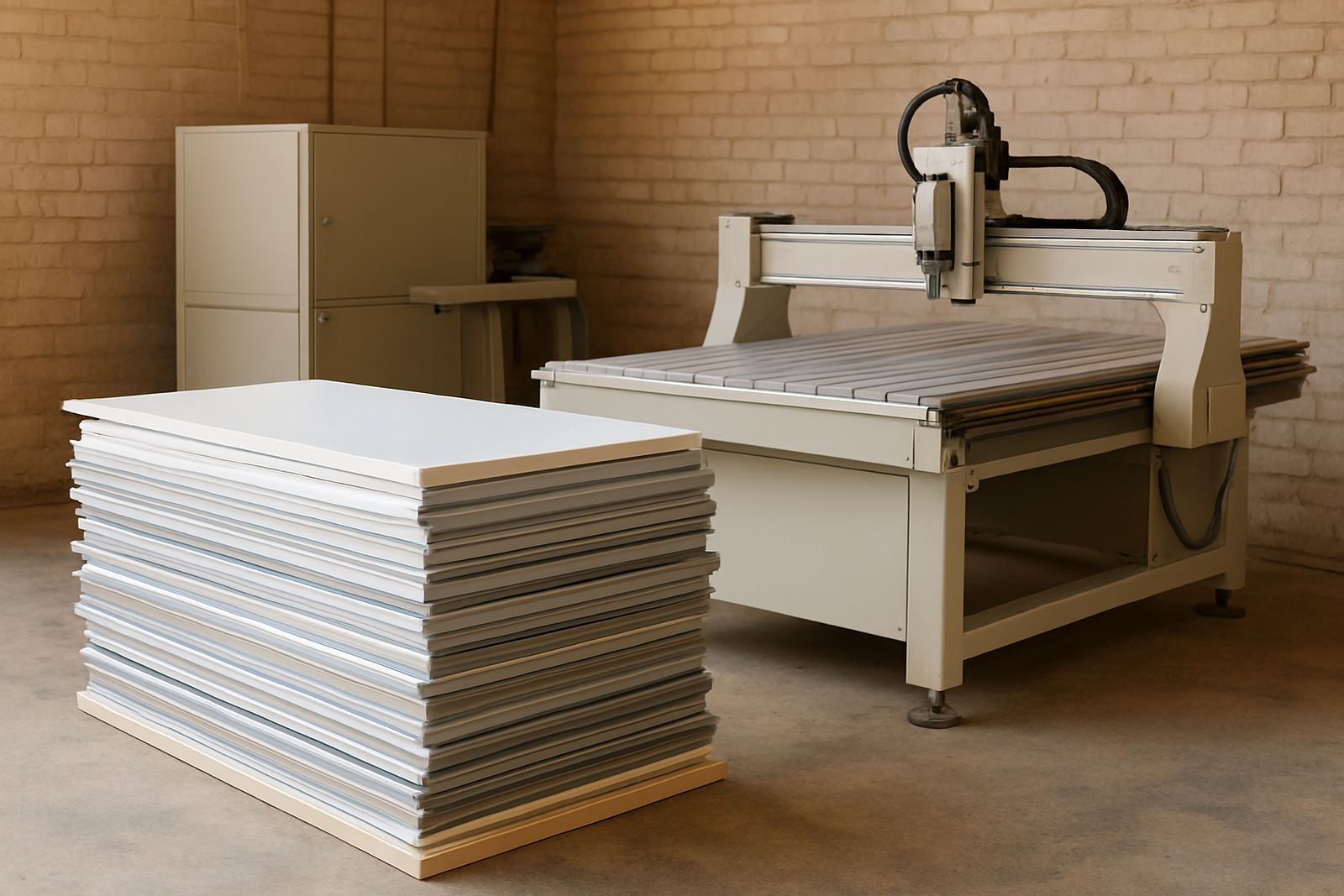
We matched the machine to the actual work being done, not just the brochure spec. The package centred on a CNC router suited to nesting, profiling and pocketing on sheet material, with a work envelope sized for common panel work and enough clearance for soft metal parts and thicker plastics.
- CNC router with a practical bed size for sheet nesting
- Vacuum hold-down table for flat stock and repeatable loading
- Tooling set for plastics, aluminium-type soft metals and general panel work
- Dust extraction connection sized for a busy enclosed workshop
- Controller backup and operator-friendly job setup guidance
We also talked through spindle speed ranges, cut direction, feed rates and tool life so the team could avoid burnt edges on plastics and chatter on lighter metal parts. That detail matters more than people expect, especially when a shop is trying to get through mixed batches in one shift.
Workshop limits we had to work around
The Bloemfontein site had the usual constraints. Floor space was tight, the power feed had to be checked carefully, and dust control needed attention because the shop was already running other equipment. We also had to make sure the machine could be brought in without disrupting the rest of production for too long.
Another factor was operator comfort. The team wanted clear jogging controls, reliable homing, and a simple way to reset work offsets after tool changes. They did not need a complicated setup, they needed something that a trained operator could run with confidence on a Monday morning after a long weekend.
- Power and phase requirements were confirmed before delivery
- Access routes were measured so the machine could move through the shop safely
- Dust points were checked against the existing extraction layout
- Controller naming and file handling were kept plain and practical
Install, commissioning and first cuts in three weeks
The project moved from final sign-off to commissioning over three weeks. Week one covered site review, machine sizing and tooling selection. Week two was delivery, placement and mechanical setup. Week three focused on commissioning, test cuts and operator handover.
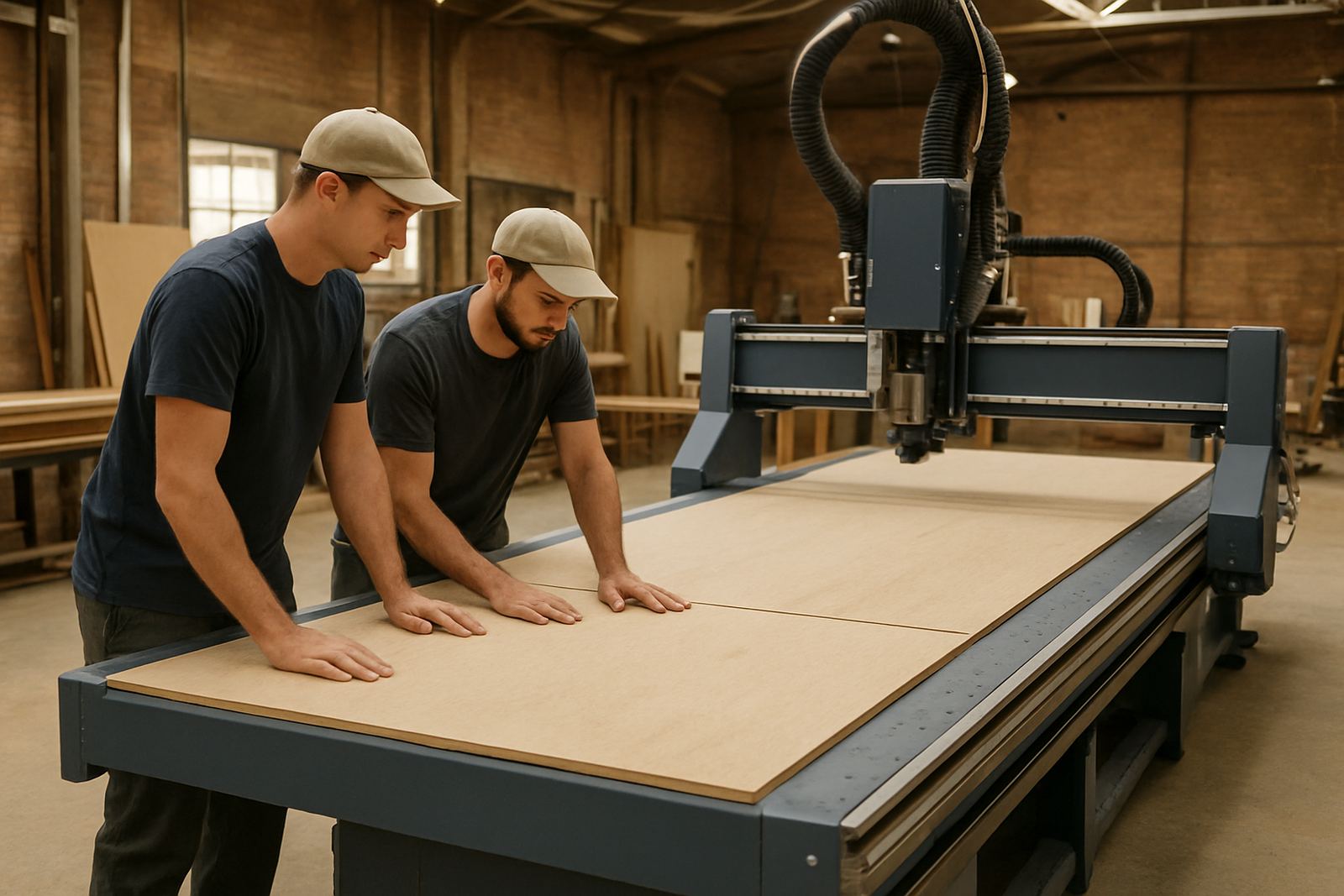
During commissioning we checked table level, vacuum performance, axis movement, spindle operation and controller backups. We then ran sample jobs from the client's own drawings so the team could compare expected part size with actual finished parts. That is usually the point where small issues show up, like tool length offsets or a vacuum zone that needs better balancing, and it is better to sort them out there than after the rush starts.
By the end of the week the shop had a repeatable cut sequence for its common jobs and a clear process for checking tools before each run. The difference was immediate because the team no longer had to second-guess basic settings every time a new sheet went on the bed.
Results after the first production run
The main gain was consistency. Parts came off the machine with cleaner edges, more accurate repeatability, and far less hand finishing. That saved time on plastics in particular, where overheated cuts can waste material quickly. Soft metal parts also benefitted from better chip control and more predictable feed behaviour.
From the client's side, the real win was confidence. Staff could move from drawing to part production without the same level of trial and error. They also had a better record of tooling use, which helped with planning and reduced the number of surprise stoppages when a cutter was past its best.
- Cleaner cut edges on repeat panel work
- Less rework and less manual trimming
- Better nesting use from each sheet
- Shorter setup time between jobs
What we would repeat on the next panel shop install
If we were doing the same kind of job again, we would take the same practical route. Start with the actual material list, confirm the power and dust conditions early, and train the operators before the machine gets busy. That keeps the install tight and reduces the chance of preventable downtime later.
For shops in Bloemfontein and similar inland centres, we would again recommend a setup that accounts for dust, heat and load-shedding. A good router can handle the work, but only if the support bits are right too: clean air, stable power, sensible tooling, and a backup for controller settings. Get that right and the machine becomes part of the production flow instead of a problem to manage.
MultiCAM continues to support installs like this across South Africa from our Germiston base, with service and installation work in Johannesburg East, Midrand, Pretoria East, Durban North and Cape Town North. For this project, the combination of machine selection, setup guidance and plain speaking saved the client time they would otherwise have lost to guesswork.
Key facts
| Project town | Bloemfontein |
|---|---|
| Client type | Panel fabricator |
| Material range | Plastic sheets, soft metal parts and panel stock |
| Machine type | CNC router with vacuum table |
| Project timeline | 3 weeks from site review to commissioning |
| Support included | Installation, commissioning, tooling setup and operator training |