A Witbank pattern shop moves to CNC routing
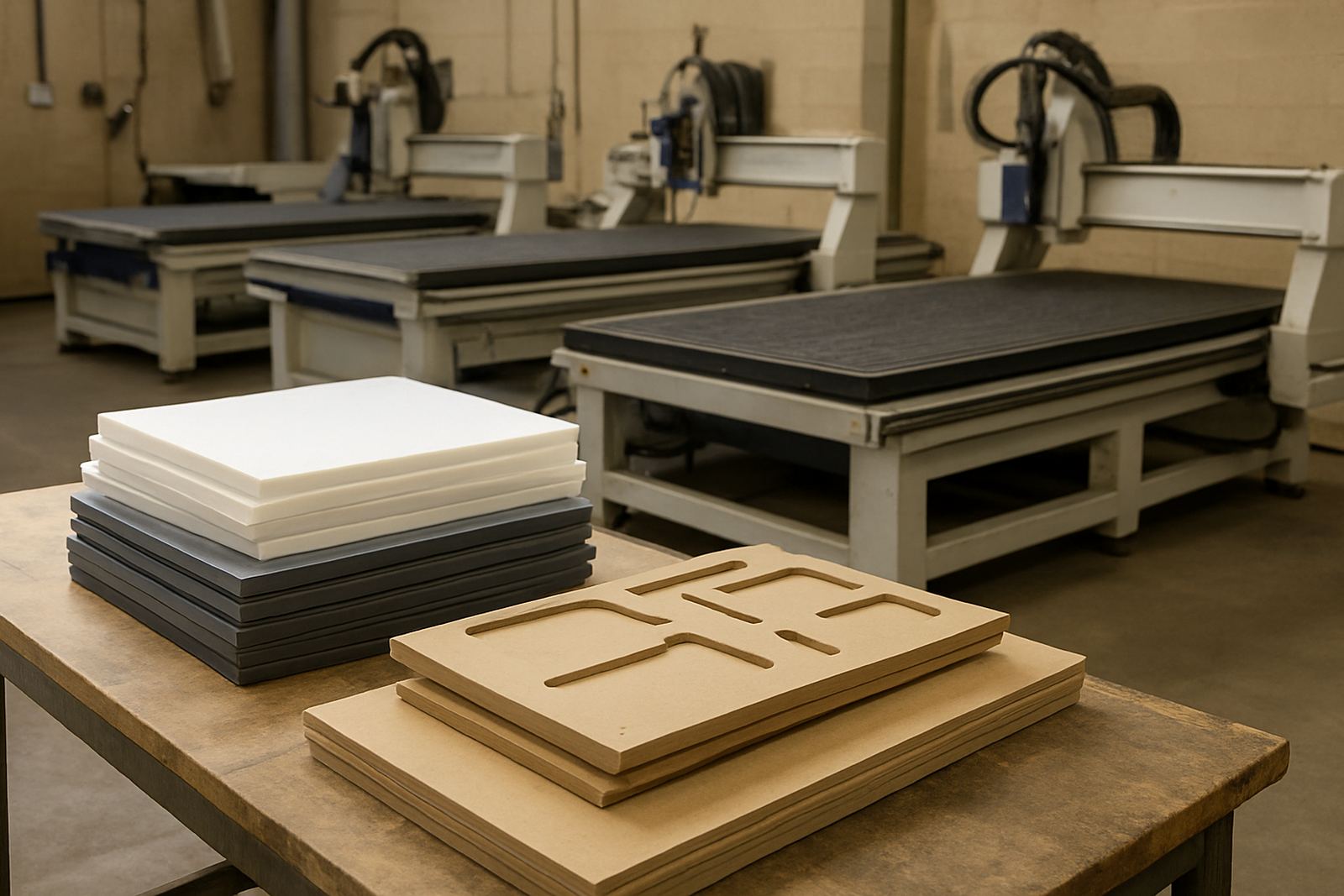
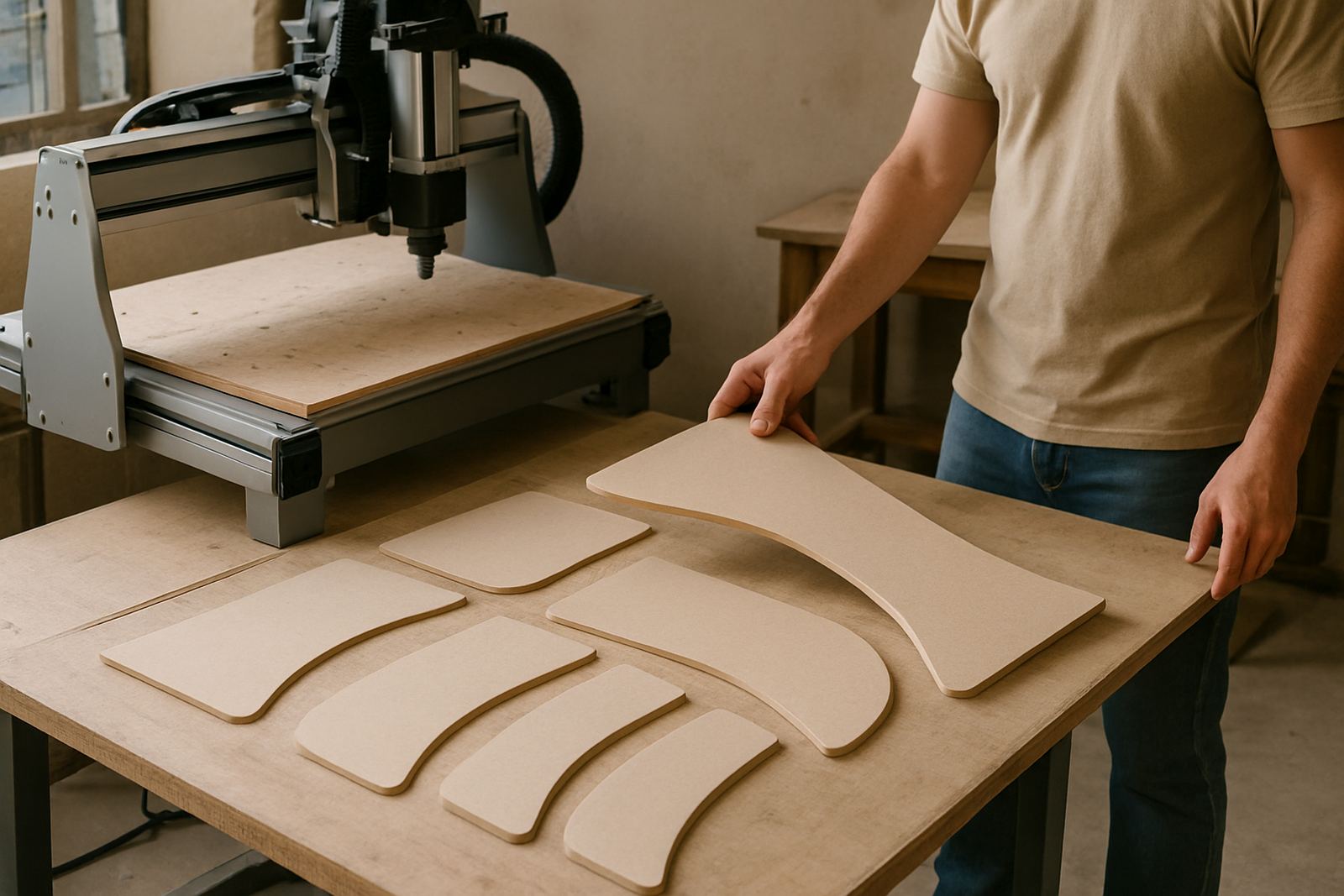
The client was a pattern-making workshop in Witbank serving local industrial, fabrication and maintenance jobs. Their team was doing a lot of repeat form shaping, trim work and template cutting by hand, which worked for small runs but became slow and inconsistent when the same parts had to be made over and over.
The brief was simple enough to say and harder to solve well. They needed a router that could hold size, repeat the same pattern day after day, and fit into a working shop that already had dust, offcuts and limited floor space. They also wanted operators to learn the machine quickly, not spend weeks guessing their way through settings.
What made the job tricky
Witbank workshops often deal with mixed power quality, dust in the air, and space that has to serve cutting, assembly and storage all in one room. This site was no different. The floor had to stay clear for moving sheet material, and the machine had to sit where the operator could load safely without crossing the main work path.
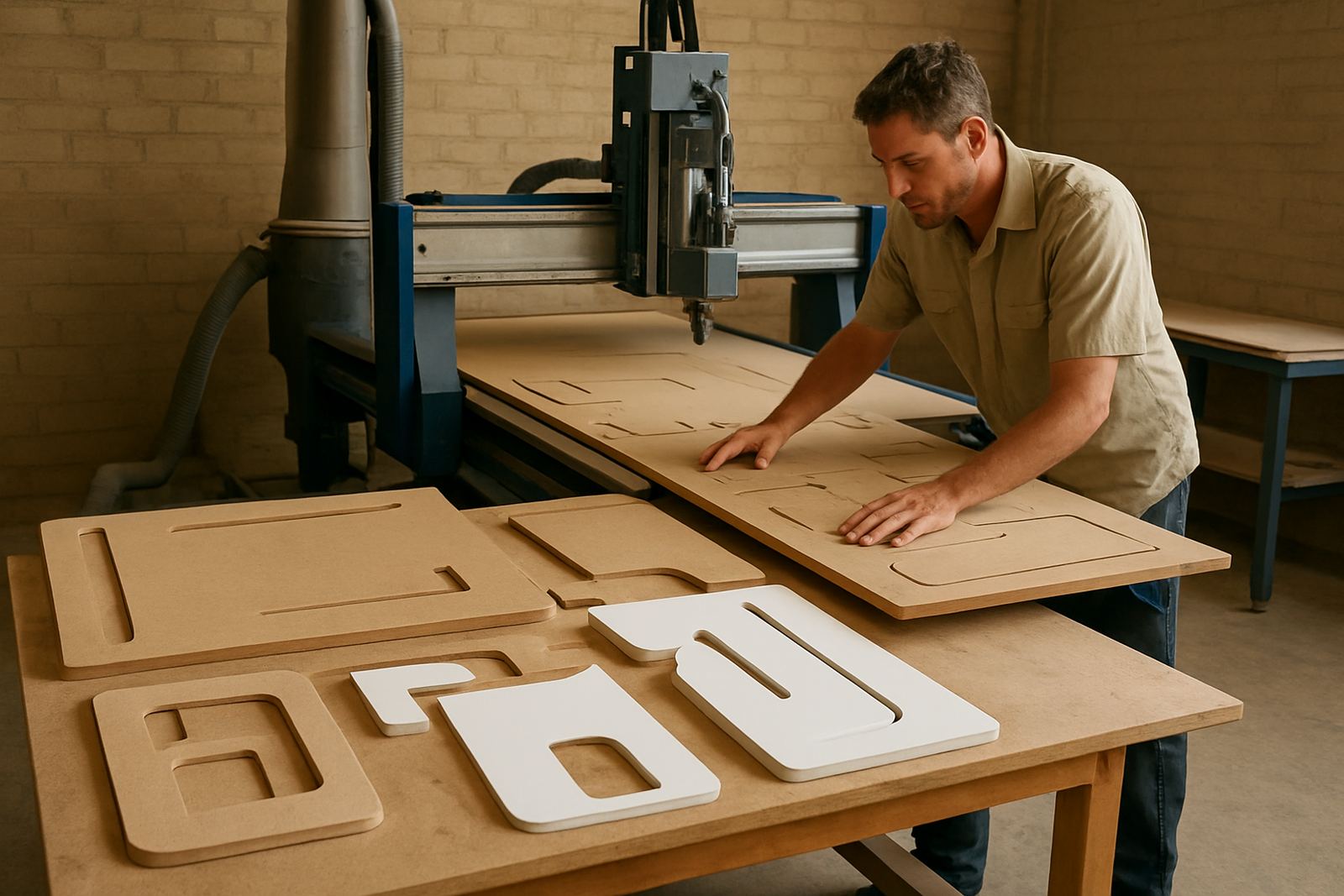
Another constraint was the material mix. Most of the work was on pattern board, MDF, plastic sheet and the occasional softer metal trim component. That meant we had to be careful with spindle speed, tooling choice and extraction. If those three are not matched, the cut edge burns, chips lift or the tool life drops too fast.
- Limited floor space near the loading and finishing area
- Dust control needed for daily use in a closed workshop
- Stable repeat accuracy for templates and trim profiles
- Simple operator controls for a small team with varied experience
What we supplied and set up
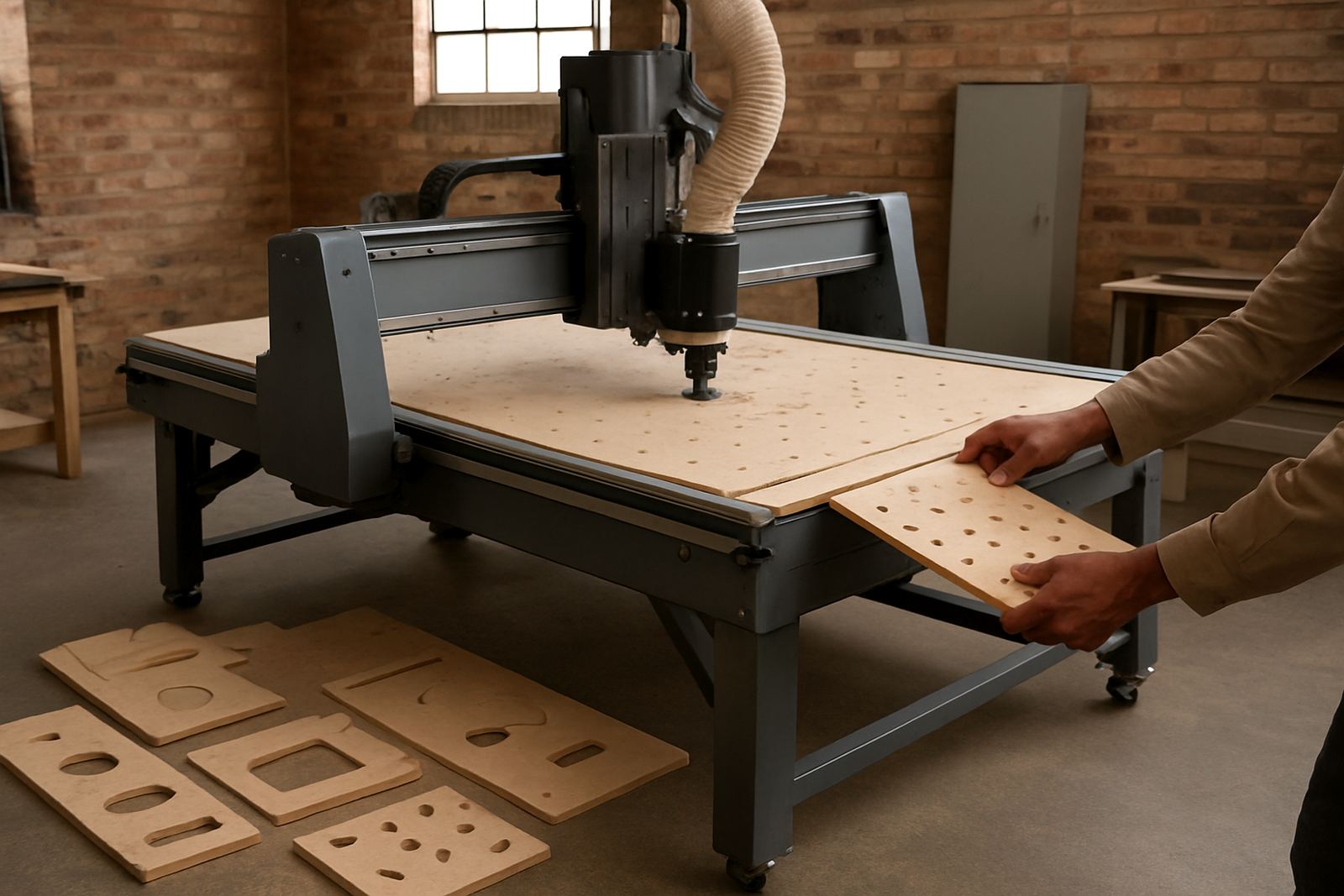
We supplied a MultiCAM CNC router package with a working area suited to sheet-based pattern work, a vacuum hold-down table for flatter stock, and practical dust extraction connections. The machine was configured for repeat cutting rather than experimental one-offs, so the control side was kept straightforward and the tool paths were set up for easy job loading.
Key facts on the install were as follows: a 3-axis CNC router, high-frequency spindle, vacuum table for sheet hold-down, gantry clearance suitable for workshop patterns, and a controller setup backed up before handover. We also checked the tooling list with the client so they had cutters for clean routing, finishing passes and trim work. A router only performs properly when the cutter, feed and extraction all agree.
- 3-axis CNC router for pattern and trim work
- Vacuum table for reliable sheet holding
- Dust extraction points checked and balanced
- Controller backup created before production use
- Basic tooling set matched to the main materials
Installation and commissioning over two weeks
The project ran over two weeks from final site check to production handover. In week one we prepared the floor layout, confirmed power availability and set the machine in position. We also checked the dust line routing and made sure the operator had room to stand clear of the sheet path. That step saves a lot of grief later, especially when the machine is running long jobs and the shop is busy.
In week two we commissioned the router, checked movement accuracy, set up the first job files and trained the operators. Part of the training covered zeroing, safe material loading, tool changes, vacuum checks and what to watch for when a cut starts to drift. The team picked it up quickly because the setup matched the way they already worked, just with more consistency and less manual marking.
Results the team could see quickly
The most immediate result was repeatability. Parts that previously needed hand trimming or extra fitting started coming off the router with cleaner edges and better shape control. That reduced rework and meant the workshop could keep more jobs moving at the same time. It also made quoting easier because the team now had a clearer sense of how long a pattern run would take.
Dust management improved too. With the extraction and vacuum table working together, the shop stayed cleaner during longer runs, which matters in a local workshop where load-shedding can interrupt the day and the team has to get back up to speed quickly. Less time was spent resetting work, and more time went into actual output. That is where the value sits.
- Better repeat accuracy on form shapes and trim parts
- Less hand finishing after routing
- Cleaner work area and easier daily cleaning
- Faster turnaround on recurring jobs
- More confidence from the operators on longer runs
What we would carry into another shopfitting job
For a pattern workshop like this, we would make the same choices again. Keep the specification practical, do not overcomplicate the controls, and spend time on setup before the first production job. A lot of problems in CNC work come from rushing the install and hoping the operator will figure it out later. That approach costs more in broken cutters and poor parts.
We would also keep the same focus on extraction, backup settings and tool selection. In a humid or dusty South African workshop, small details matter. A machine that is well located, properly commissioned and trained on by the people who use it every day will keep paying back. That was the outcome here, and it is the standard we aim for on similar sites across Gauteng and beyond.
Support after handover
After handover, the Germiston support team stayed available for questions on tooling, job setup and maintenance. The client had a clear route to service through our Johannesburg East, Midrand Service and Pretoria East coverage, with additional support available for larger installs across South Africa. If the machine needs a future move, spindle service, controller backup or dust system balancing, those are part of the same practical support path.
For a workshop like this, the machine is only useful when it keeps running cleanly and the staff trust it. That is why we keep the guidance direct, the paperwork in order and the service line open.
Key facts
| Project type | Pattern router installation for repeat form shaping and trim work |
|---|---|
| Client location | Witbank, Mpumalanga |
| Machine type | 3-axis CNC router with vacuum table |
| Main materials | Pattern board, MDF, plastics and soft metals |
| Timeline | 2 weeks from site check to handover |
| Support included | Installation, commissioning, training, tooling setup and backup |