
The brief from a George interiors workshop
The client was a specialist interiors shop in George making shaped lightweight panels for fitted interiors, display parts and decorative sections. They were cutting mixed sheets through a small workshop mix of jobs, so the main problem was repeatability. One week the team would run short custom sets, the next week they would need longer nested sheets, and every change in material thickness meant another round of test cuts.
The brief was simple enough on paper. They wanted cleaner edges, better repeat cutting, and a process that a small team could run without overcomplication. The workshop also had to work around dust control, coastal humidity and the usual local reality of power interruptions, so the setup needed to keep settings stable and be easy to recover after stops.
George is not the easiest place for a casual setup. Panels move with moisture, sheets can lift if vacuum is not managed well, and a busy shop cannot waste time on guessing. The client wanted a machine that could handle light structural panel work, plastics and soft material with calm control, not constant tinkering.
What we specified for the cutting cell
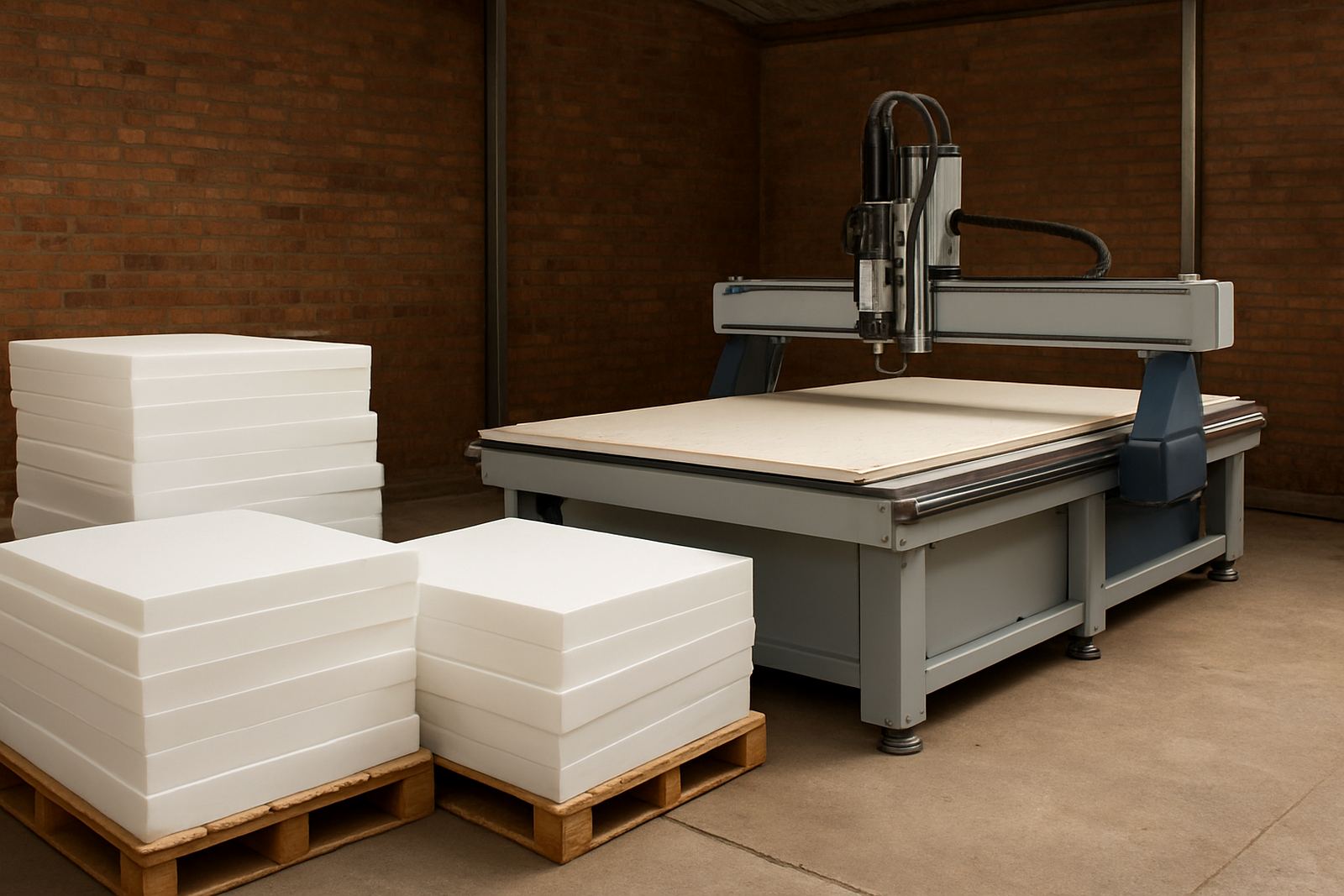
We supplied a CNC router system matched to the panel sizes and the shop floor space. The table and vacuum arrangement were chosen for sheet holding across smaller nests and shaped parts, with enough reserve to keep parts down when the cut path opened up. We also set out practical tooling notes for the materials they run most often, because the wrong bit and feed setting can turn a neat job into a rough edge very quickly.
- Working area sized for standard sheet nesting and repeat panel runs
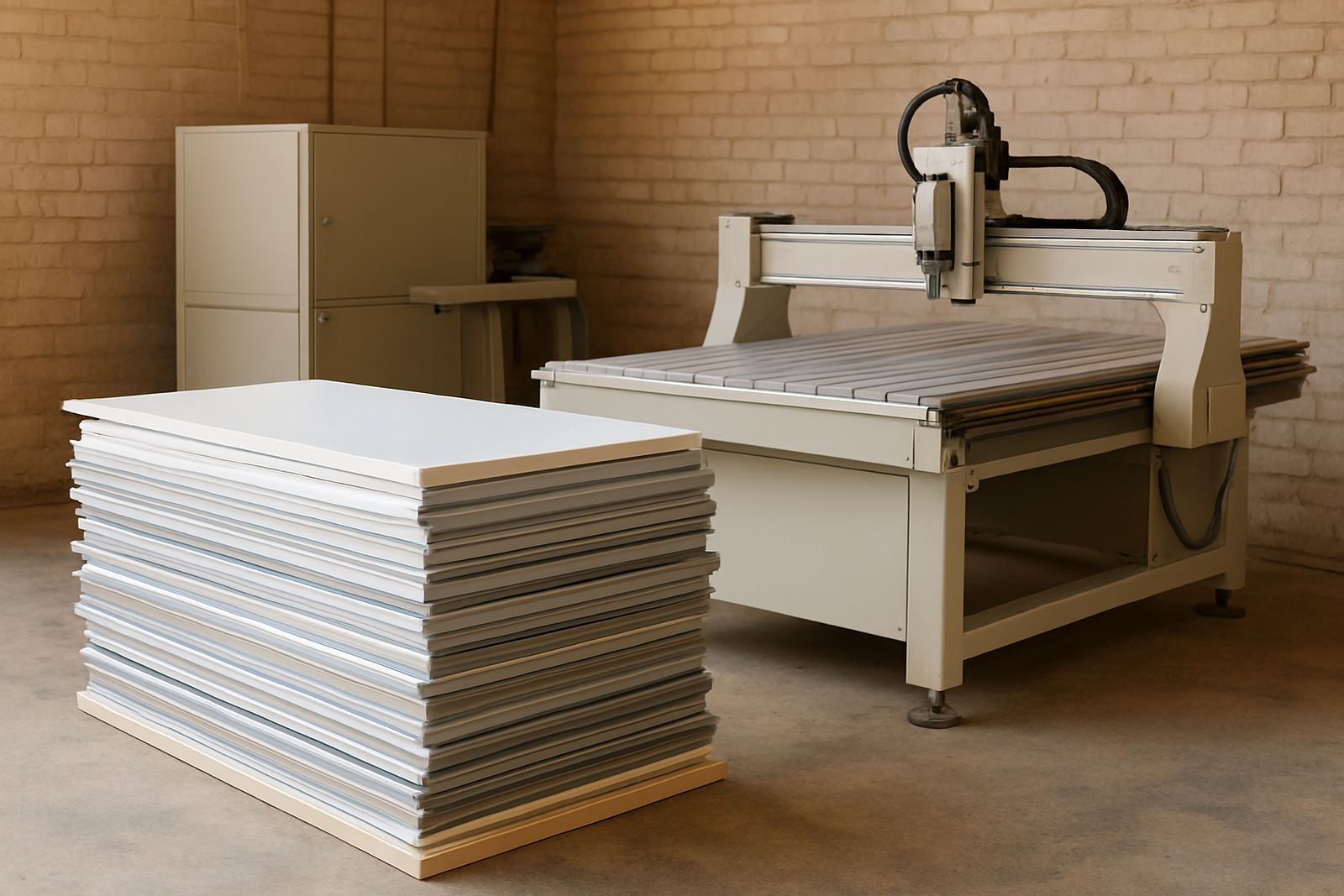
- Vacuum table layout suited to smaller parts and mixed sheet formats
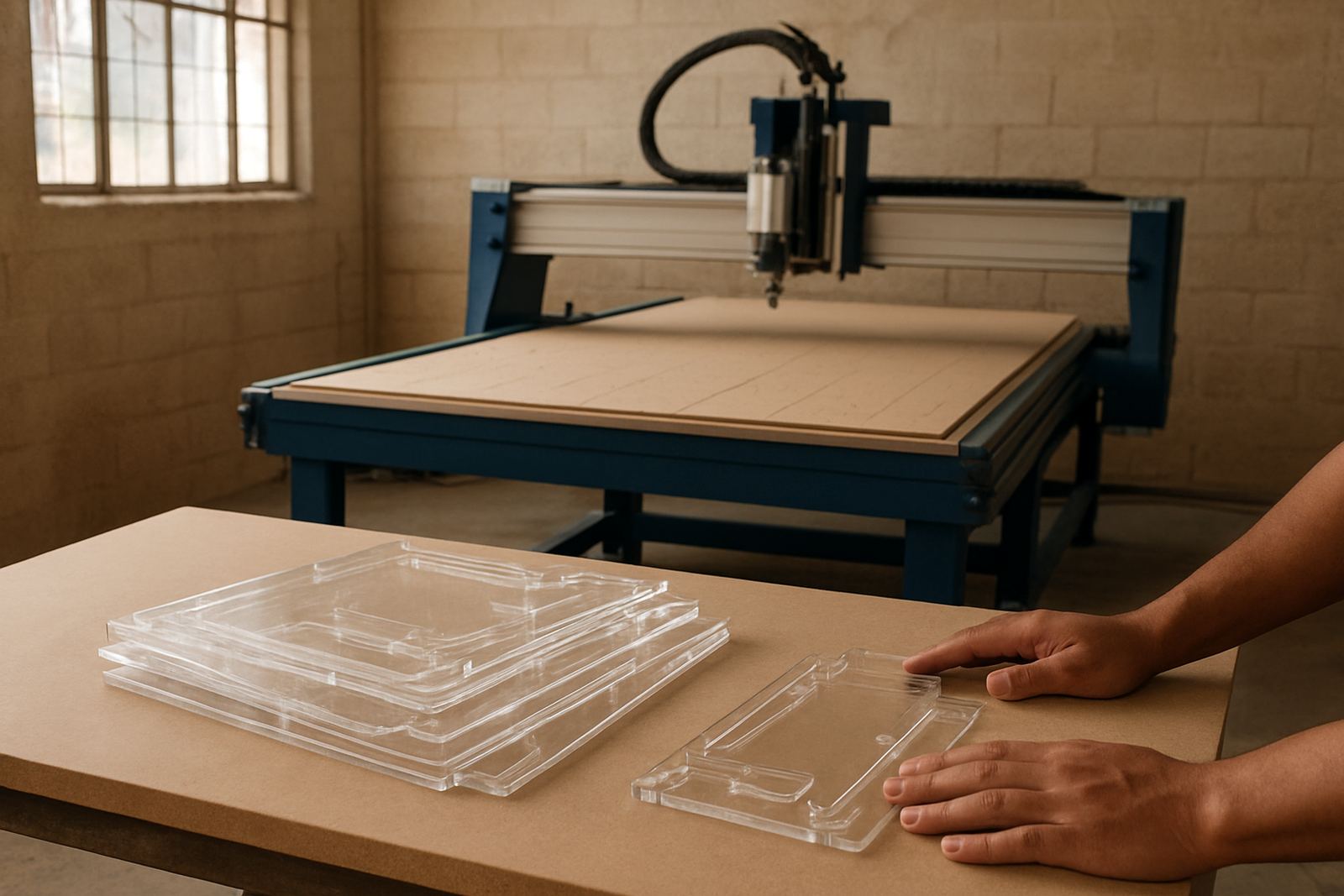
- Tooling guidance for lightweight board, plastics and soft metals
- Controller setup aimed at straightforward daily use by the workshop team
- Dust extraction balancing to suit finer panel dust and long cutting shifts
The goal was not just to install a machine, but to give the team a cut path they could trust. We kept the setup practical, with clear naming for tools, offsets and common jobs so staff did not need to search through notes every time they changed material.
Installation, commissioning and first cuts
The install and commissioning ran over two weeks on site, with the first week focused on positioning, power checks, dust line balancing and vacuum leak checks. The second week was for controller backups, test cuts and operator training. That sequencing mattered because a machine can look ready yet still lose time if the table does not pull evenly or if the tooling data is not set properly.
We checked spoilboard condition, clamping zones and cut path behaviour on the panel shapes the team uses most. After that we ran a practical setup session with the operators, not a classroom style talk. The team went through homing, job loading, tool changes, feed adjustments and what to do after a stop from load shedding. Keeping those steps short and clear reduced the chance of mistakes when the workshop was under pressure.
- Site assessment and power check
- Machine placement and levelling
- Dust system balancing and vacuum leak checks
- Controller backup and job file setup
- Operator training on daily use and recovery steps
Why the panel output improved
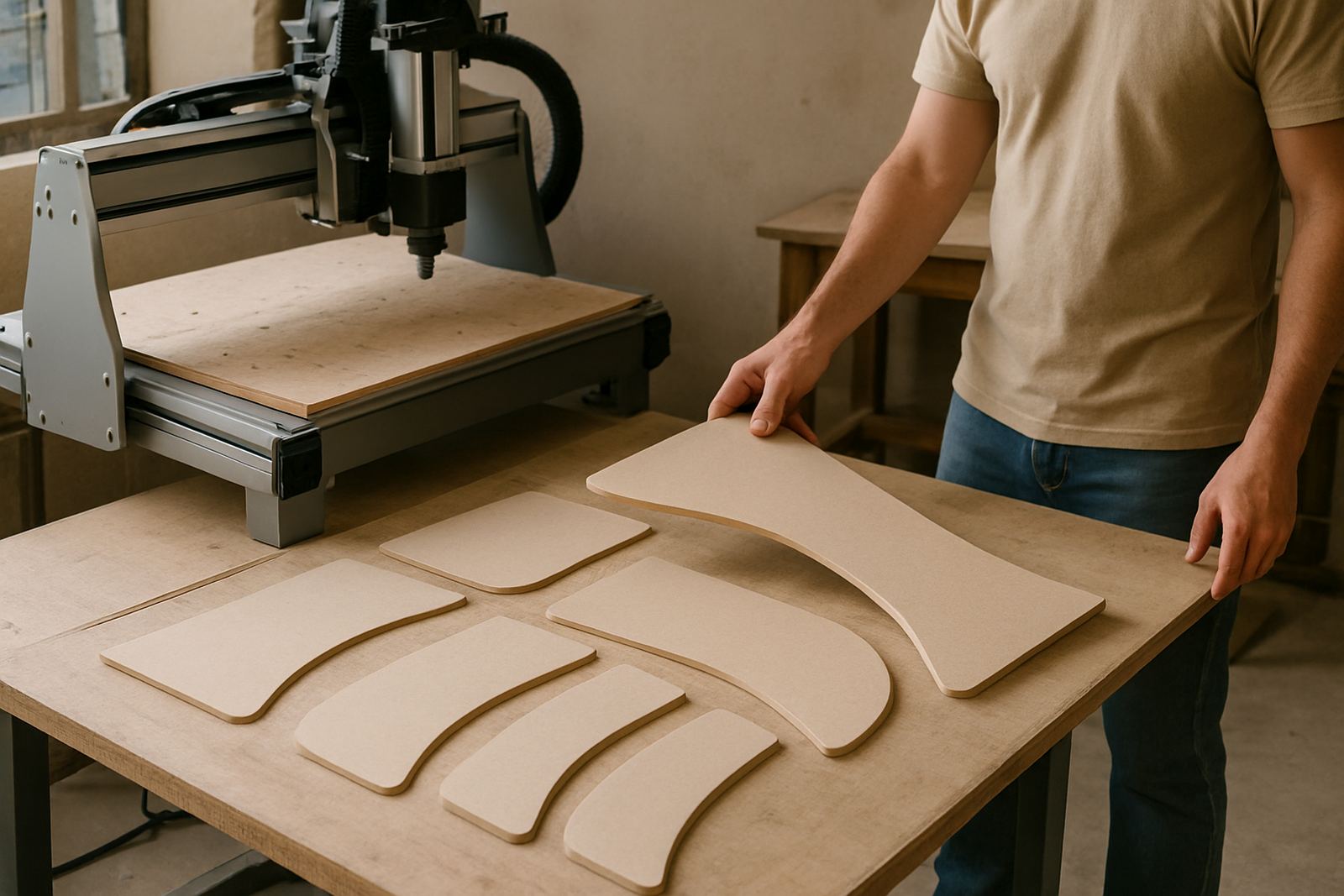
The biggest gain came from repeatability. Once the vacuum layout and tooling setup were matched to the job types, the workshop stopped fighting part movement and edge chatter. The shaped panels came off cleaner, and the operators spent less time sanding or reworking cut edges. The team also reported fewer surprises between the first sheet and the last sheet in a batch, which is exactly what a busy interiors shop needs.
Another improvement was time control. With proper controller backups and a repeatable setup sheet, the team could return to a paused job without rebuilding the process from scratch. That matters in South Africa where a power cut or a rushed changeover can cost a full morning if the cell is not set up properly. In this case the shop was able to keep production moving with far less delay.
For a smaller workshop, the value is not only in speed. It is also in keeping the same finish across multiple orders, especially when clients compare panels side by side. That consistency helped the client present a more dependable service to their own customers.
Support that kept the team moving
After the first runs, our Germiston support team stayed available for practical follow up on tooling wear, dust extraction checks and minor parameter changes. The client did not need a complicated service plan. They needed fast answers when a tool started to mark the surface, or when a nest needed a different hold-down approach because the sheet material had changed.
We also advised on preventative maintenance intervals that suit a coastal workshop climate. In George, moisture and fine dust both affect machine performance, so it helps to stay ahead of spindle care, table cleaning and cabinet checks. The aim was to keep the machine steady through everyday use, not only during the first week after install.
- Spindle service guidance for regular use
- Preventive maintenance intervals for busy shifts
- Controller backups after job changes
- Tooling setup notes for mixed sheet work
What we would use again on a similar marine interiors job
On another boat interior job like this, we would still tie the machine choice to the panel sizes, prove the vacuum layout early, and train operators on the weekly production parts.: keep the machine choice tied to the panel sizes, prove the vacuum arrangement early, and train the operators on the exact jobs they run every week. That combination saved more time than any single adjustment. It also gave the client a clear handover, so the day-to-day team could run the system without waiting for outside help each time.
For a George interiors shop, the practical lesson was that repeat cutting needs more than a good machine. It needs a sensible table setup, the right tooling, and a clean process for backups and restart routines. Once those pieces were in place, the workshop had a better grip on quality and delivery. Not flashy, just dependable. That is what the team asked for and that is what they got.
Key facts
| Project | George Interior Panels |
|---|---|
| Client type | Specialist interiors team |
| Town | George, Western Cape |
| Scope | Repeat cutting for shaped lightweight panels |
| Timeline | 2 weeks on site |
| Services used | Machine Installation, Commissioning, Tooling Setup, Operator Training, Dust System Balancing, Controller Backups |