Why the fabricator brought cutting in-house
The client was a point-of-sale fabricator in Gqeberha making display parts, branded fittings and short-run panels for retail rollouts. Their work moved quickly from one campaign to the next, but outsourced cutting was slowing everything down. Lead times were inconsistent, small corrections came back late, and the team had little control over urgent changes once drawings were approved.
The brief was simple enough on paper: cut timber board, foam board, acrylic and some light aluminium sheet in-house, keep setup practical for a smaller production team, and avoid a machine that needed constant babysitting. They also wanted clearer nesting, cleaner edges and a setup that could survive coastal humidity and power interruptions without drama.
- Client type: point-of-sale fabricator
- Town: Gqeberha
- Main materials: board, plastics, foam board and soft metals
- Main goal: reduce outsourcing delays and improve turnaround
Workshop constraints we had to work around
The workshop was not a blank slate. Space was tight, storage sat close to the cutting area, and dust control mattered because of the mix of board products and plastics. The team also needed enough access around the machine for loading sheets without turning the whole floor into a traffic jam. We looked at the route from delivery point to final machine position, the available three-phase supply, extraction routing and where controller access would be safest for operators.
Because the site was in a coastal city, corrosion control and daily cleaning habits were part of the conversation from the start. We also checked how the team handled load shedding, since a mid-cycle interruption can waste material and upset a long nesting run. A sensible UPS strategy and backup procedure mattered more than fancy features, and we wrote the process down in plain steps so the operator could follow it under pressure, not just on a calm Tuesday morning.
- Space constraint: compact production floor with limited loading room
- Utilities checked: power supply, dust extraction, compressed air and networking
- Environmental issue: coastal humidity and salt air
- Operating issue: load shedding and restart control
The machine set-up and tooling choices
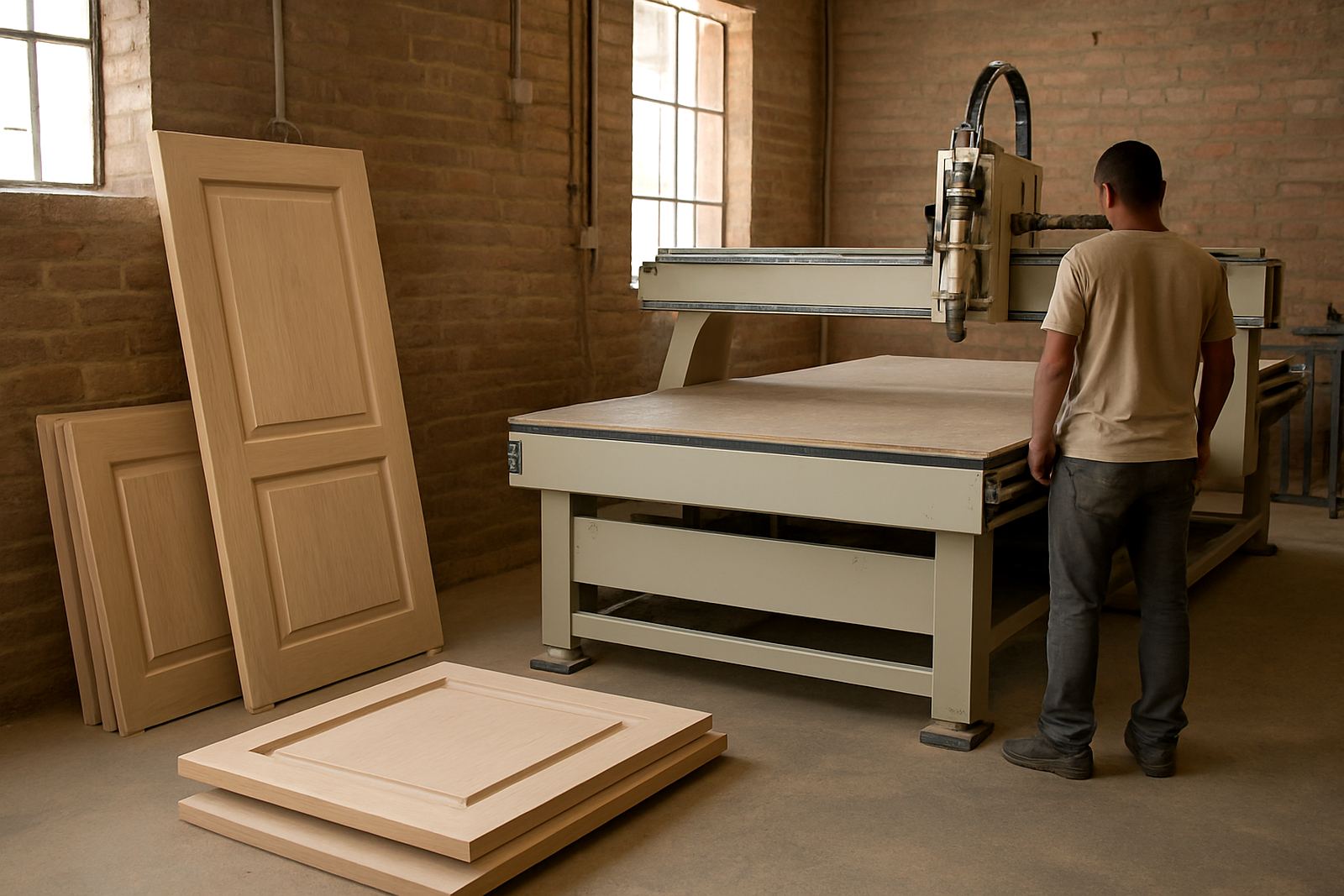
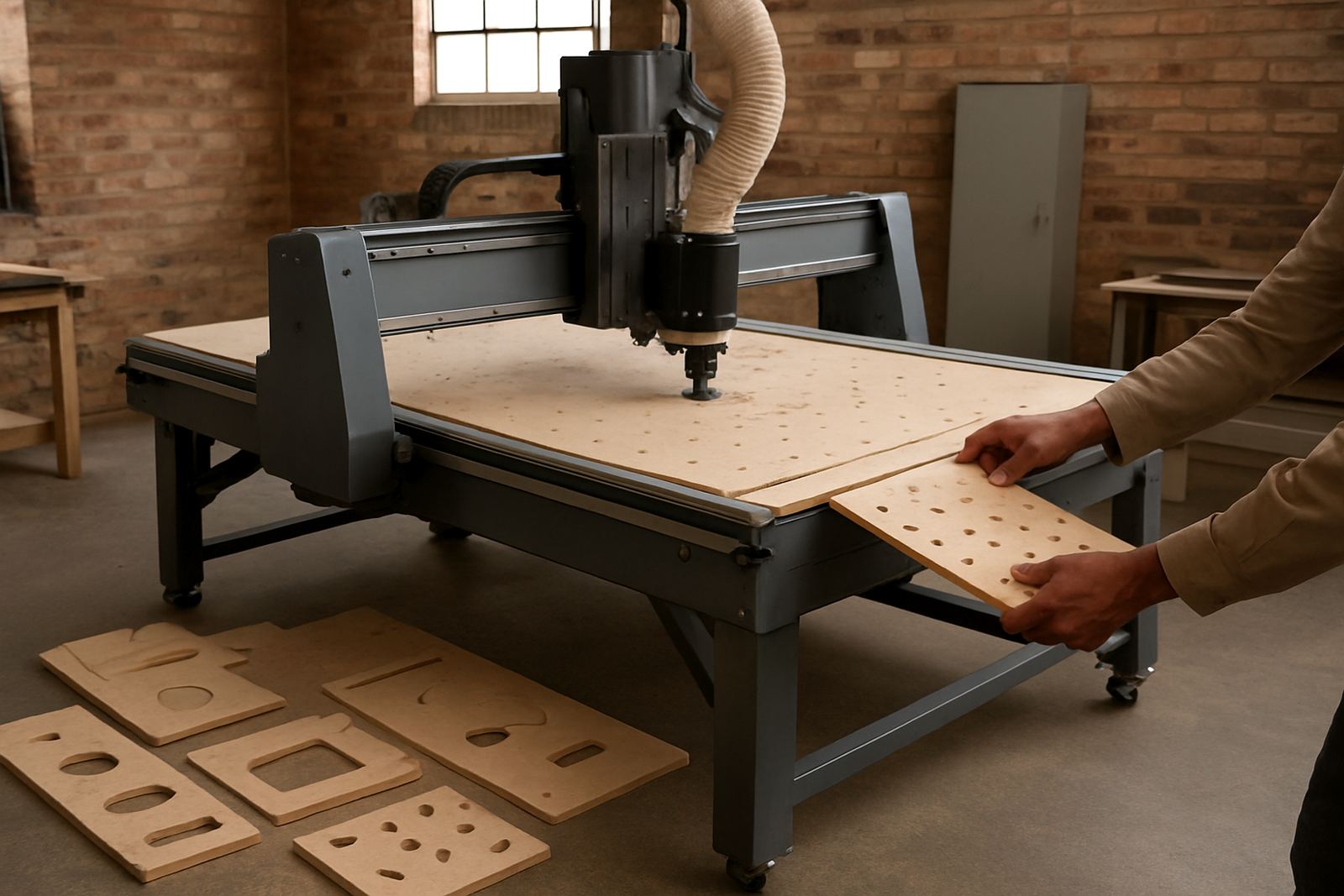
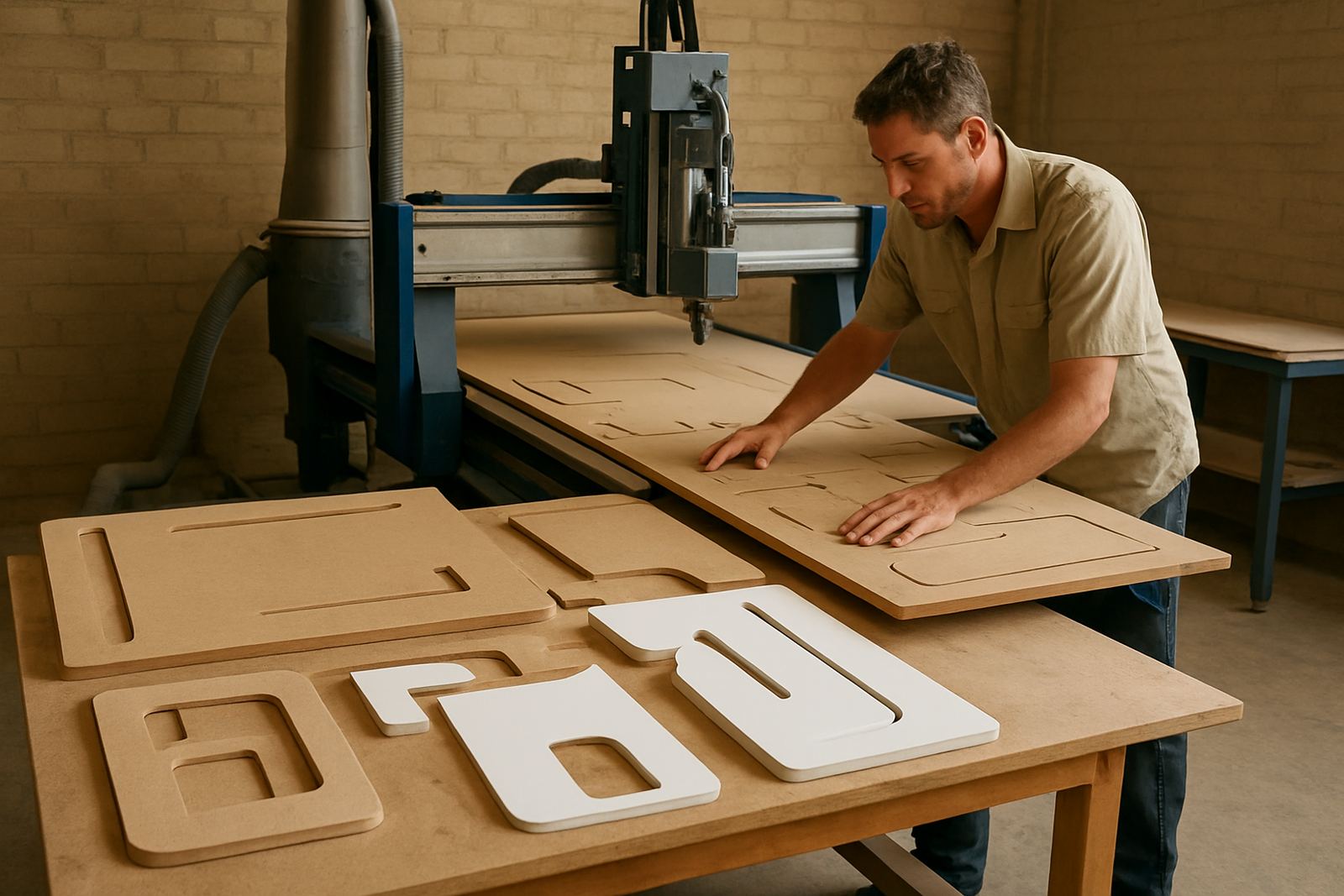
We supplied a CNC router sized for the sheet formats the client used most often, with a vacuum table arrangement suited to mixed nesting work. The machine was specified for repeat cutting of 16 mm and 18 mm board, plastics and occasional aluminium signage parts, with an operator-friendly controller and clear toolpath workflow. Tooling was chosen around practical cut quality rather than unnecessary variety, so the team could keep a small, well managed set of cutters instead of a cupboard full of maybe useful bits.
Alongside the machine, we supplied the tooling notes, startup checks and a cutter plan for the job types they run every week. That included advice on feed rates, spindle speed ranges, tab use where needed, and when to switch from vacuum hold-down to fixture support for smaller parts. Dust extraction balancing was part of the install, because poor air movement causes more problems than most new operators expect.
- Machine type: CNC router for sheet nesting and panel cutting
- Table style: vacuum table with zones for mixed jobs
- Material range: board, plastics, soft aluminium
- Control focus: simple job loading, repeatable offsets and easy file handling
Installation, commissioning and training in two weeks
Installation and commissioning took place over a two-week window. In the first week, the machine was positioned, levelled and connected to power, extraction and the workshop network. We checked vacuum performance, leak points, spindle alignment and controller backups before any production work started. A few small adjustments were needed on hose routing and table sealing, which is normal on a site that already has a working shop layout.
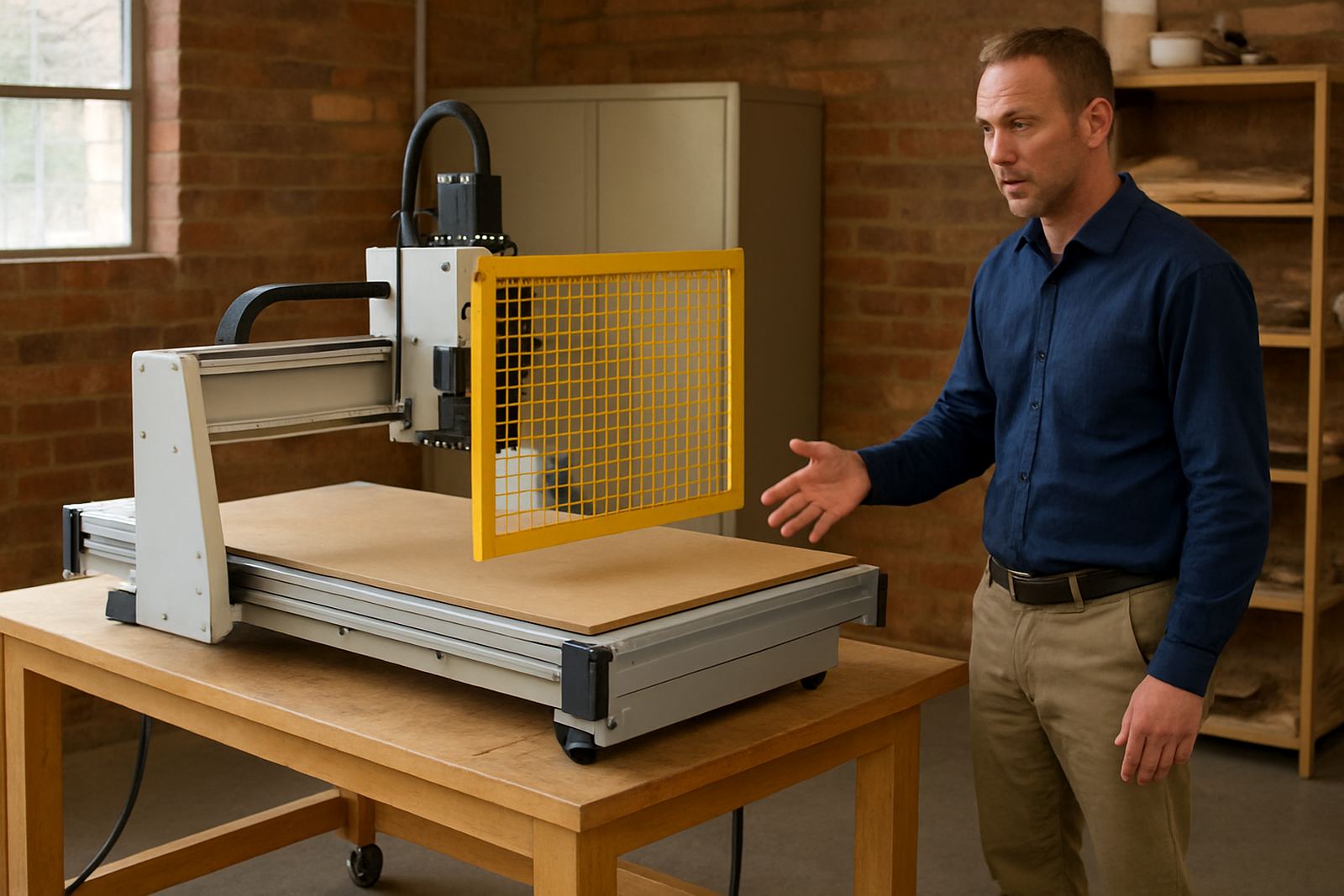
In the second week, Stefan and Lesedi worked through test parts with the operator team. We ran sample nests, checked edge finish on different sheet types and walked through safe tool changes, daily maintenance and shut-down steps. The team asked direct questions, which is always a good sign, and by the end of the week they could load jobs, inspect cut paths and recover from a paused cycle without calling for help every time. It was not a fancy classroom session, just proper shop-floor training that matched their actual jobs.
- Week 1: delivery, positioning, levelling, power and extraction connection
- Week 2: testing, sample cutting, operator training and sign-off
- Commissioning checks: vacuum zones, spindle runout, controller backup, dust capture
- Training focus: daily checks, job loading, tool changes and fault recovery
What changed after the first production runs
Once the machine was in production, the first change was speed. Jobs that used to wait for outside cutting could now move from drawing to finished panels in the same workshop. That meant fewer handovers, fewer mistakes from repeated file transfers and much better control over urgent changes. The client also saw cleaner material use because nesting could be adjusted around real stock on hand instead of a supplier’s schedule.
There was also a quality gain. Edge finish was more consistent, and small repeat parts came off the table with better dimension control. The team could batch similar work, keep a backup of controller settings and restart production after a power cut without guessing where the job had been left. That reduced scrap and kept the schedule honest, which matters when retail fit-outs are booked by the day, not the week.
- Reduced outsourcing delays
- Better control over urgent file changes
- Cleaner repeatability on panel parts
- Lower scrap through improved nesting
What we would carry into the next retail fit-out
For another Gqeberha installation, we would keep the same sequence.: workshop survey first, then machine sizing, then tooling and extraction planning before any installation date is set. That sequence saves time and avoids the common problem where the machine arrives before the floor, power or dust system is ready. For a Gqeberha site, we would again pay close attention to humidity, corrosion protection and simple daily care routines because those small details keep the machine earning its keep.
We would also keep the training practical and short, then return after the first few production runs to check settings, dust balance and operator habits. A good CNC install is not just about the day the machine lands. It is about how the workshop runs in week three, month three and after the first load shedding event. That is where proper setup pays for itself.
- Best practice: survey, sizing, installation, training and follow-up review
- Local priority: humidity protection and corrosion aware maintenance
- Support point: controller backups and operator refreshers
- Useful follow-up: dust balance and tooling review after live jobs
Key facts
| Project | Gqeberha POS Install |
|---|---|
| Client type | Point-of-sale fabricator |
| Location | Gqeberha |
| Machine supplied | CNC router with vacuum table |
| Materials cut | Board, plastics and soft aluminium |
| Timeline | 2 weeks from install to operator sign-off |