The brief from a busy East London workshop
The client was a fitout and cabinetmaking workshop serving commercial interiors, shopfitting and local contract work in East London. Their old process was slowing them down on nested sheet cutting, and every job change meant too much manual measuring, too many tool swaps and a fair bit of rework. They wanted a machine that could keep up with weekday production without being fussy for the operators.
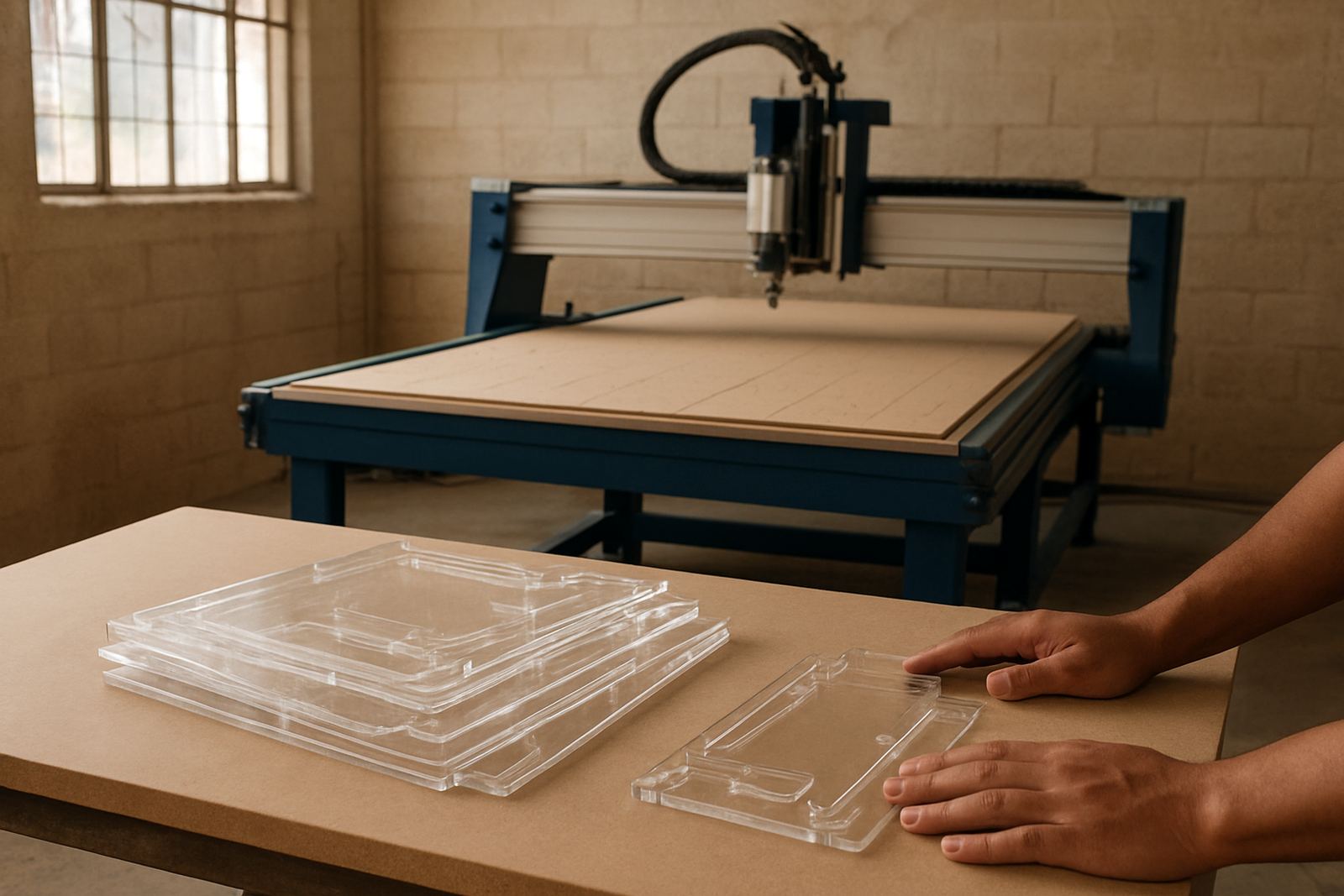
The brief was practical. Cut sheet goods accurately, reduce waste off the panel, and make the machine simple enough for more than one operator to use. They also needed clearer setup notes for tooling, because the team handles a mix of melamine board, MDF, plywood, compact laminate and some plastic components. That meant the router had to be dependable in a workshop where power fluctuations and coastal humidity are part of normal life.
Site limits and what had to be solved
The workshop floor space was tight, so machine footprint and material flow mattered from day one. There was limited room for sheet loading, offcut handling and dust extraction runs. The client also needed a machine that would fit local electrical conditions and not create headaches when production staff changed shifts.
- Limited floor space around the cutting area
- Need for cleaner dust control on MDF and plywood
- Frequent changeovers between nested jobs and single-part work
- Operator training needed for a mixed-skilled team
- Protection against downtime from backup and maintenance gaps
We used the visit to check the layout, power supply, extraction route and access for delivery. The aim was not just to place a machine in the room, but to make the whole cutting area work better from the first week.
The router and support package we supplied
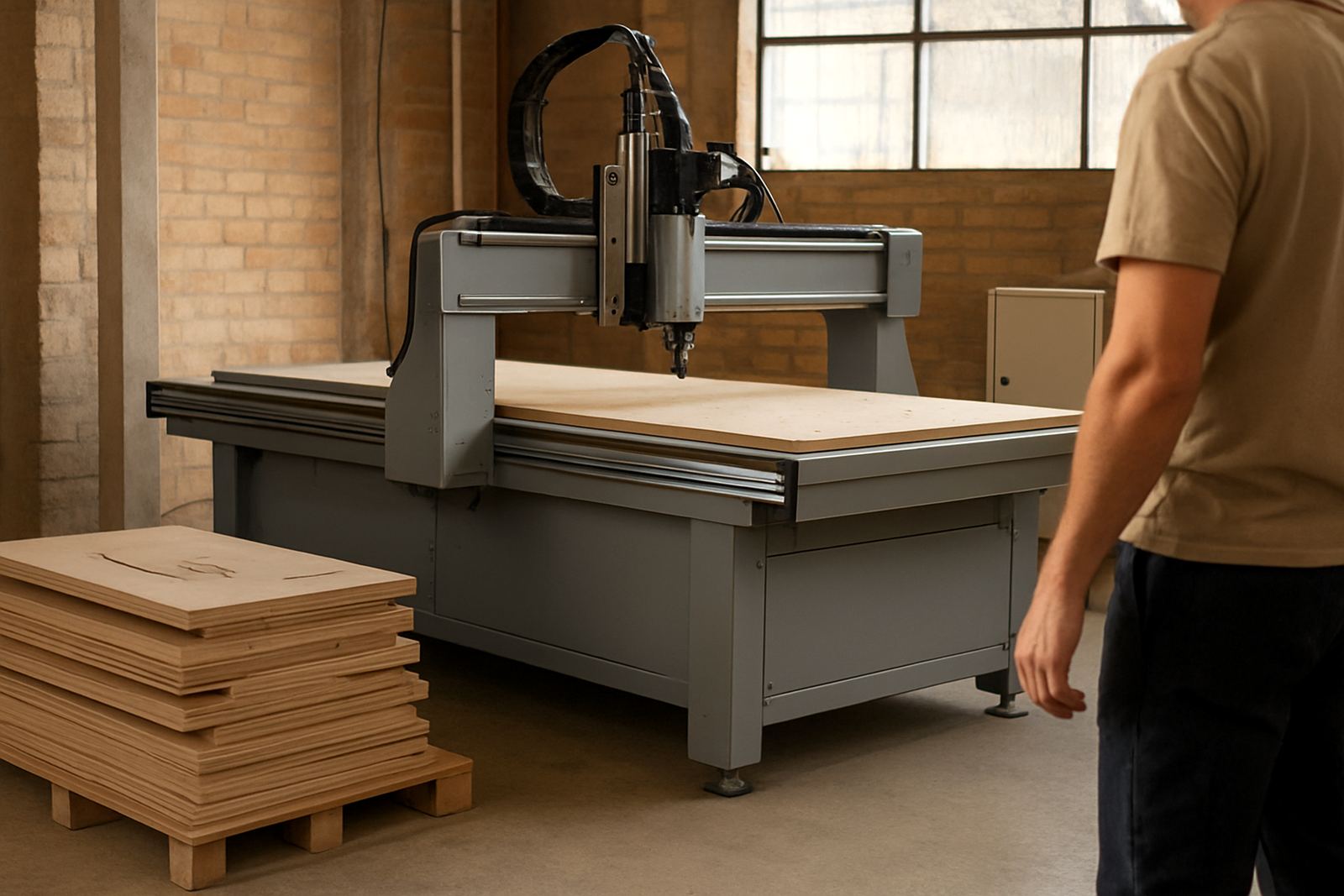
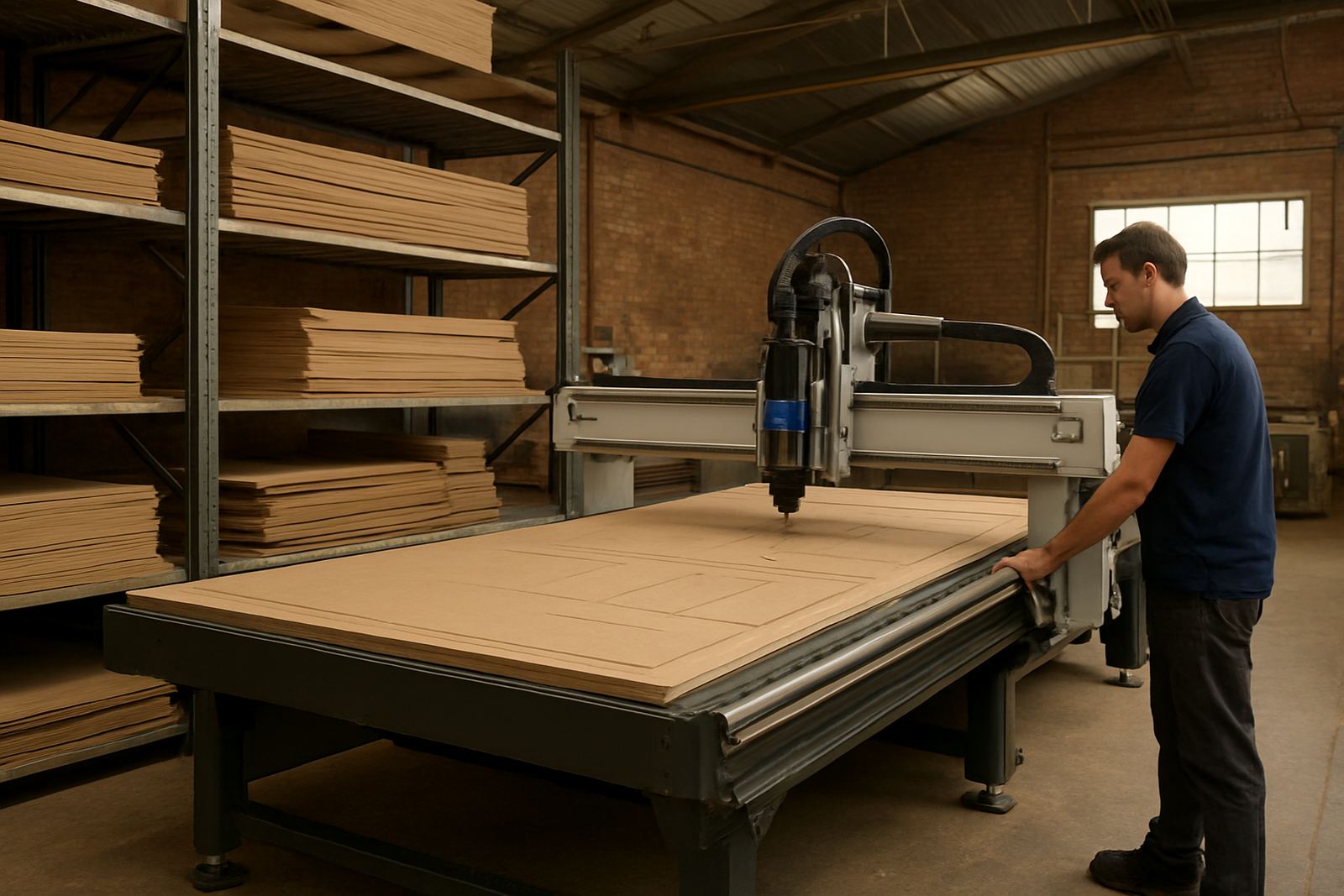
We supplied a CNC router suited to production sheet work, with a vacuum table for reliable hold-down, a spindle sized for regular routing duties and controller functions that made nested jobs easier to repeat. The setup was chosen for a workshop that wants clean edges, repeatable dimensions and less time spent on hand finishing.
Along with the machine, we handled the practical items that make the difference on site. That included tooling setup guidance, controller backups, basic operator routines and a dust extraction check so the router could run properly from the start. The team also received notes on bit selection for board cutting and on how to manage feed rates in warmer conditions, which matters when the humidity changes through the year.
- CNC router for sheet nesting and part cutting
- Vacuum table for board hold-down
- Operator-friendly control setup
- Tooling guidance for wood, plastics and light-duty panel work
- Controller backup and recovery notes
- Dust system balancing support
Installation and commissioning in East London
The installation was planned over two weeks on site, with the machine positioned, levelled and checked before full commissioning. We confirmed travel, squareness, spindle behaviour and table performance, then tested typical workshop jobs rather than only running empty cycles. That gave the client a proper view of how the machine would behave under load.
Commissioning also covered basic job setup, tool offsets and safe operating steps. The team wanted something calm and repeatable, not a machine that only one person understood. Once the first test sheets were cut cleanly, we moved on to the client’s own job files and checked part accuracy against their drawings.
Because the workshop is near the coast, we paid attention to cable routes, machine care and the daily clean-down routine. Salt air and fine dust can shorten the life of equipment if they are ignored, so we built those points into the handover rather than leaving them as afterthoughts.
Training that helped the team work faster
Training was kept hands-on and tied to the actual work the workshop does. The operators learned how to clamp and vacuum-load sheets, how to inspect tooling before a run, and how to spot the small issues that lead to spoilage. We also covered safe restart steps after a power interruption, which is useful when load-shedding or local supply dips interrupt a cutting sequence.
By the end of training, the team could move from drawing to cut parts with less hesitation. The biggest shift was confidence. Staff no longer needed to guess their way through machine setup, and the job changeovers became quicker because the control steps were standardised.
- Sheet loading and vacuum zone checks
- Tool inspection and changeover routine
- Basic controller recovery after interruptions
- File preparation notes for cleaner nesting
- Daily cleaning and machine care steps
What changed after the first few weeks
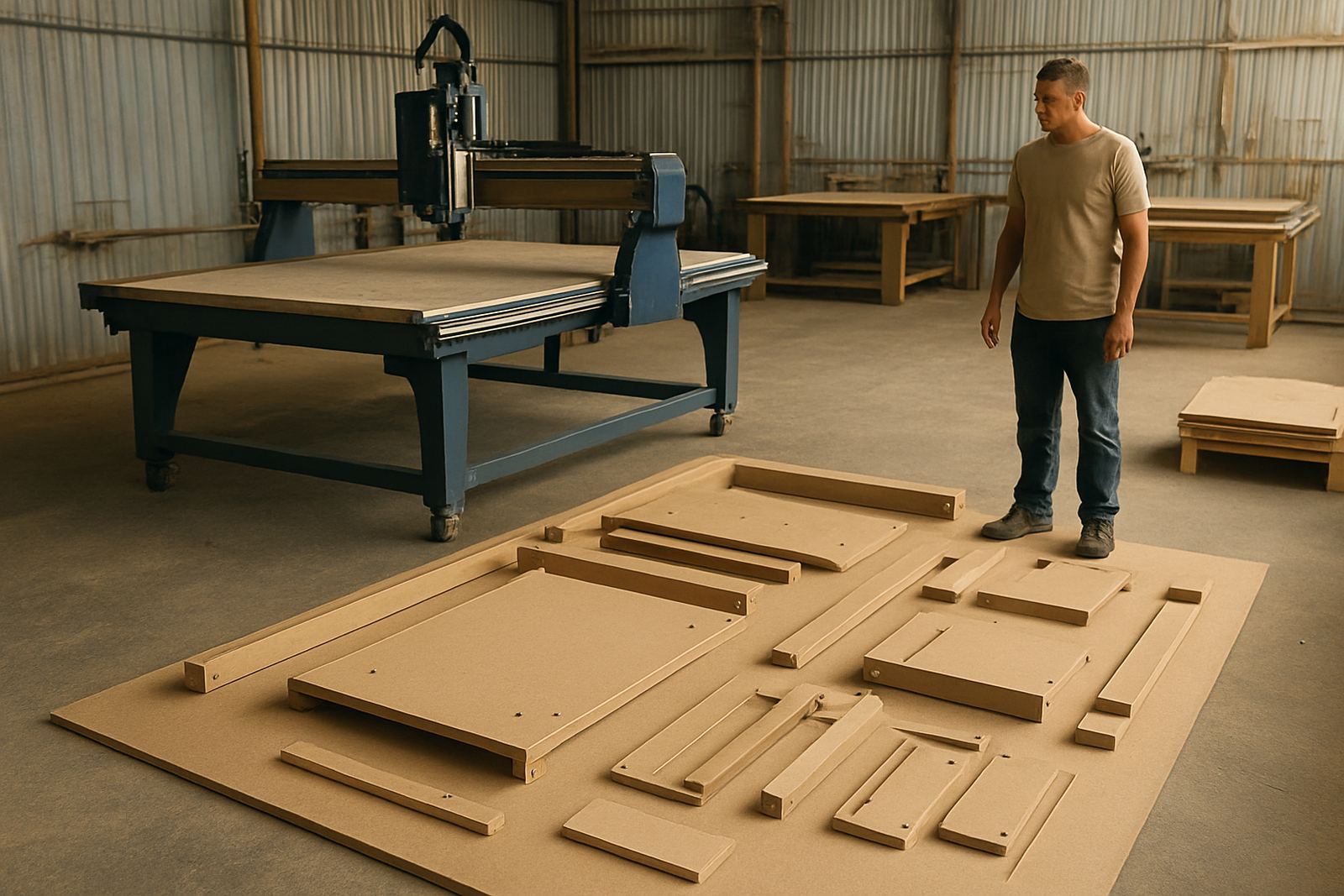
The workshop saw faster sheet cutting, cleaner part accuracy and fewer delays between one job and the next. Offcut use improved because nesting was more consistent, and the operators spent less time adjusting cuts by hand. That mattered most on repeat work, where small savings add up over a month.
There was also less reliance on one skilled person to get the machine running. With the setup documented properly, the workshop could share the work more evenly. The client told us the router paid for itself in time saved through reduced rework and fewer stopped jobs. That sort of gain is not flashy, but it is what keeps a production floor moving.
What we would repeat on the next fitout job
If we were doing the same fitout again, we would still start with layout, extraction and operator flow before talking about machine size. That sequence saves trouble. We would also repeat the practice of testing real jobs during commissioning, because it gives the client a clearer picture than a simple demo cut.
For workshops in East London, Durban or any coastal town, we would keep the maintenance plan straightforward, with regular checks on spindle condition, vacuum performance, dust buildup and controller backups. A CNC router works best when the workshop treats it as part of the daily production rhythm, not a separate piece of kit tucked in a corner.
Key facts
| Project | East London Fitout |
|---|---|
| Client type | Fitout and cabinetmaking workshop |
| Town | East London, Eastern Cape |
| Timeline | 2 weeks installation and commissioning |
| Machine type | CNC router with vacuum table |
| Services | Installation, commissioning, training, tooling setup, dust balancing |