A practical step up in bed size
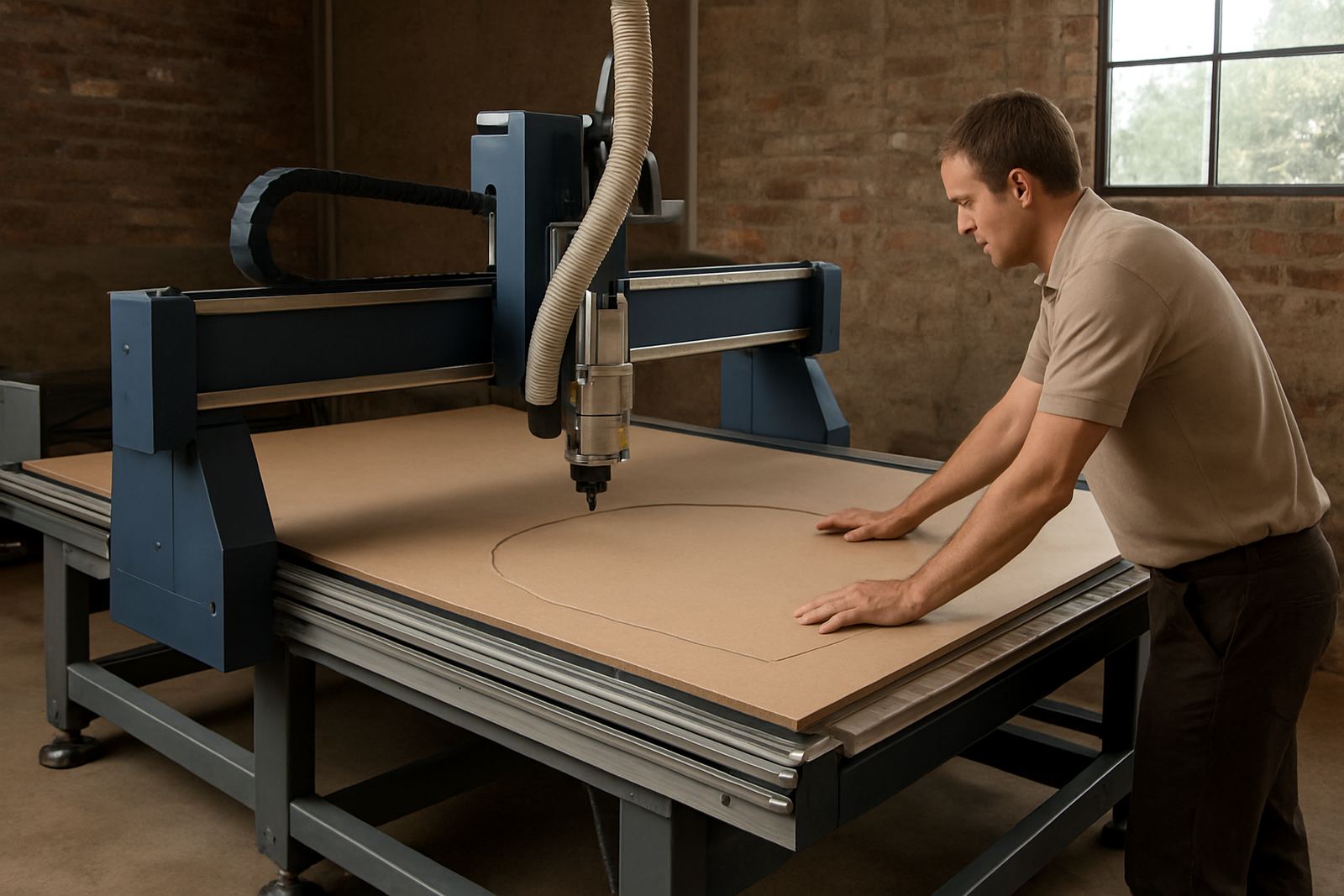
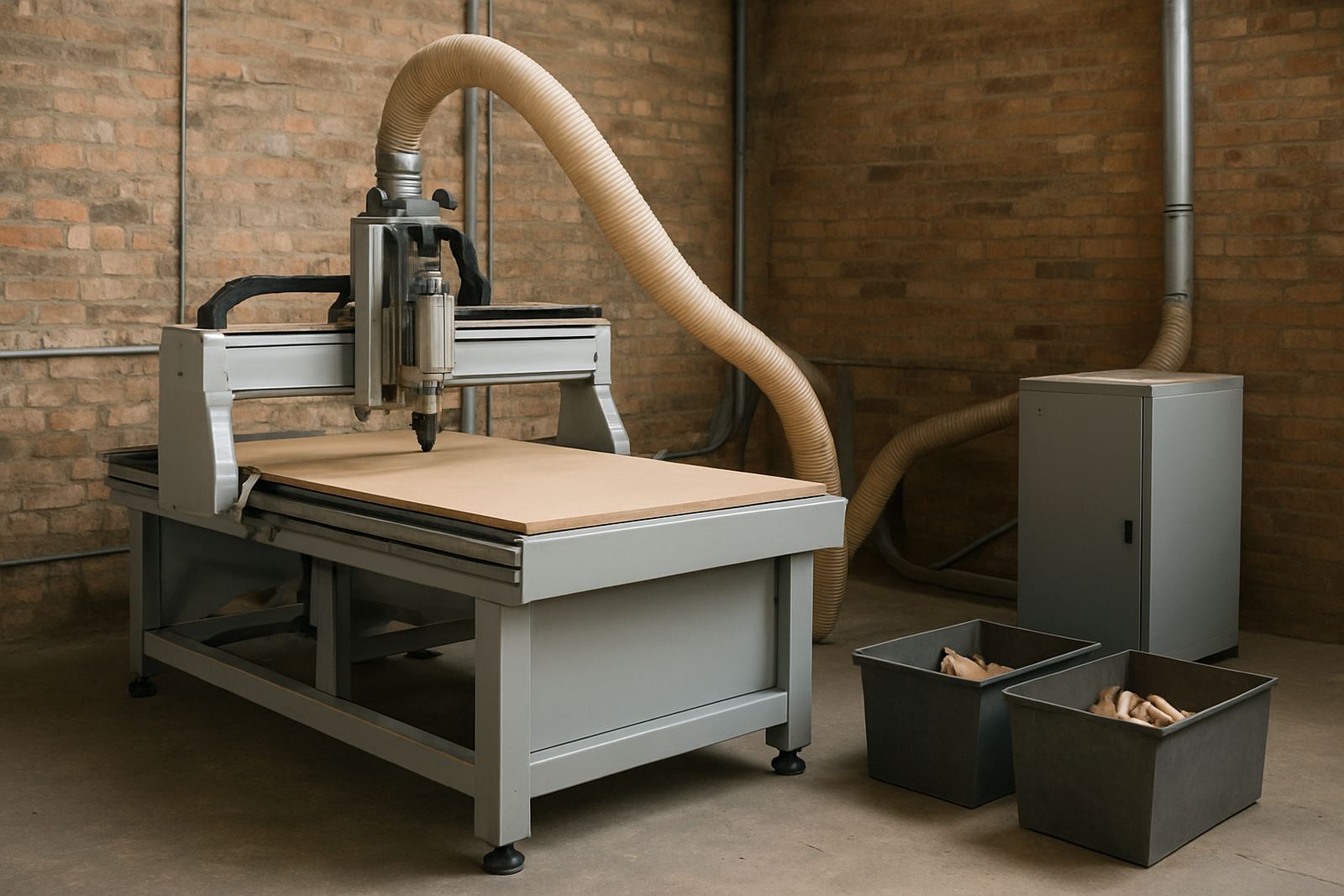
The mid-size router is the sweet spot for shops that have outgrown compact machines but do not need a large factory footprint. It is used for nesting cabinet parts, sign panels, display components, plastic sheets and light aluminium work, with enough table area to cut full or near-full sheets more efficiently. In many Johannesburg and coastal workshops, that extra bed size saves time on handling, because fewer offcuts need to be reset by hand.
Most mid-size machines are chosen for steady day-to-day work rather than one-off showpiece jobs. They give a better balance of cut area, spindle power and operator access, so the team can load material, check zero points and move on without crowding the machine. For businesses in Germiston, Pretoria, Durban or Cape Town, that balance often matters more than chasing the biggest possible table.
Sizes, table options and common setups
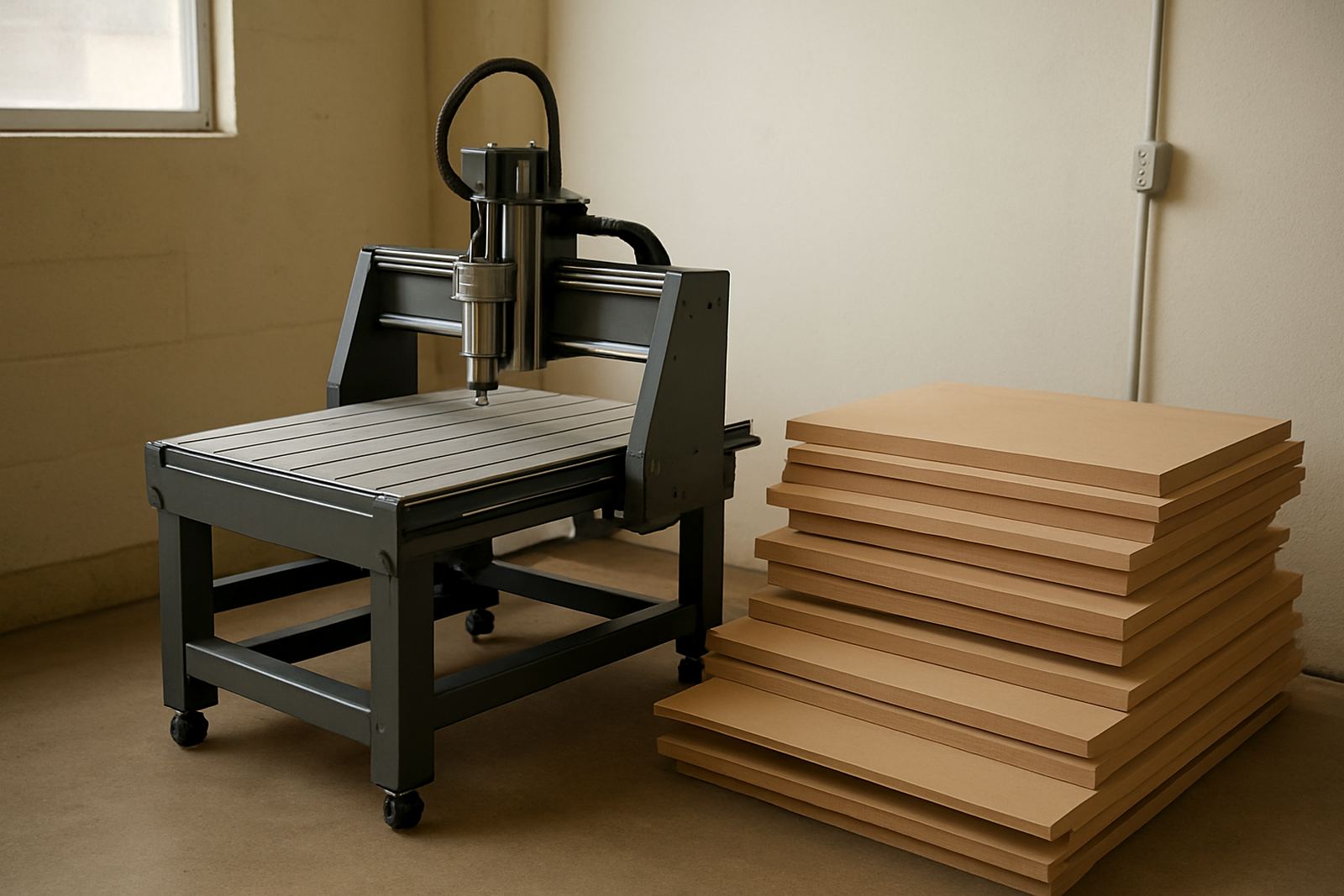
Mid-size routers are typically set up around sheet-friendly dimensions, with working areas that suit common board sizes used in South Africa. The exact frame and travel depend on the workshop layout and the jobs being cut, but the category normally includes single-table and vacuum-table configurations, with optional zone control for better hold on smaller jobs. Some teams prefer a moving gantry with a fixed table, while others want a heavier bed for more stability and less vibration.
- Working area options often suit 2.4 m by 1.2 m or larger sheet formats
- Single-spindle or tool-changing spindle setups can be specified
- Vacuum hold-down may use one or more zones for mixed job sizes
- Dust extraction hoods can be matched to the cutter and material
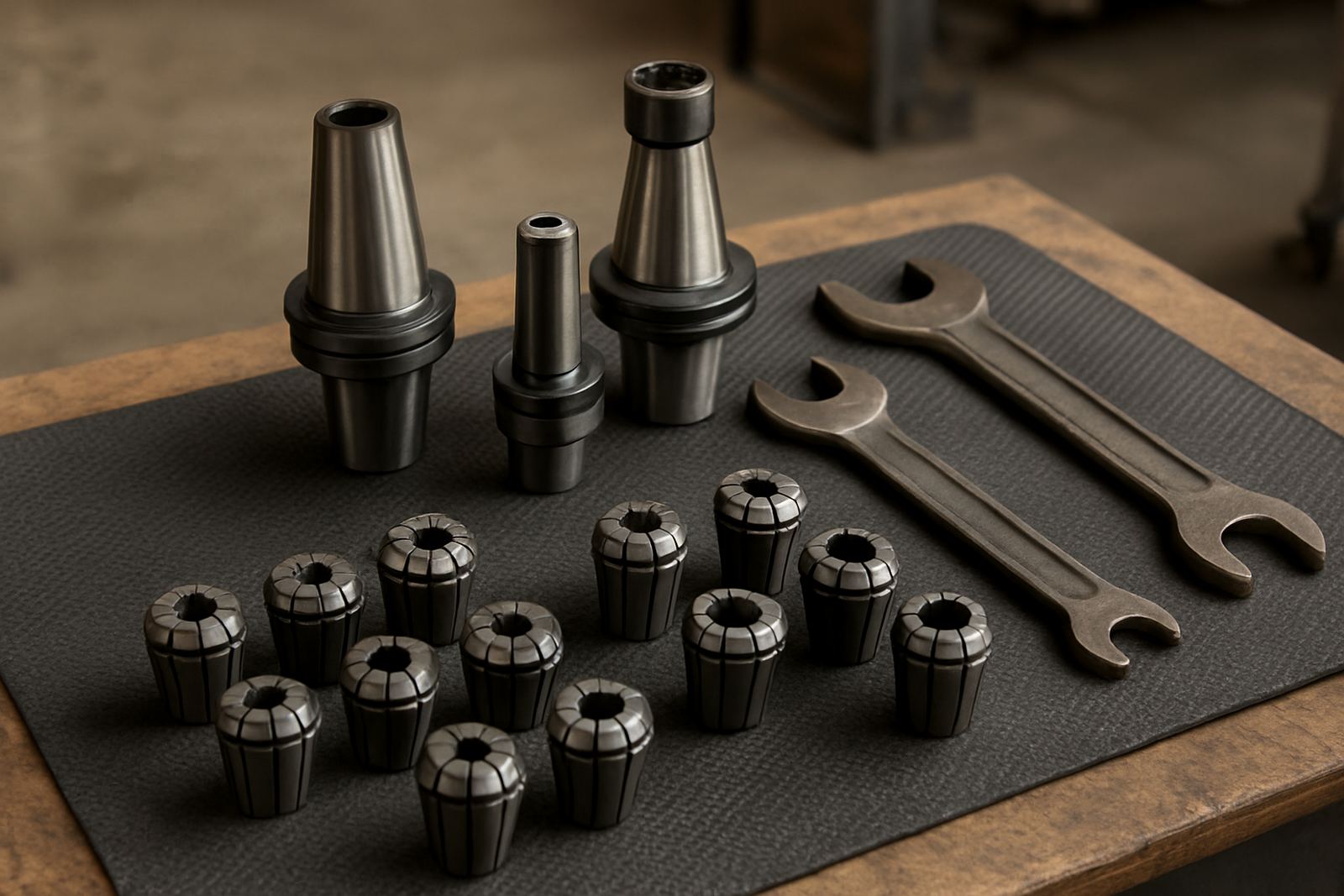
- Optional drill head, knife or oscillating attachment may be added on some builds
For furniture makers, the main gain is cleaner nesting and fewer manual trims. For sign shops, the benefit is repeatable edge quality on ACM, foam board and plastics. If the work includes soft metals, the spindle, feeds and clamps need to be chosen carefully, because the machine must suit the material not just the sheet size.
Where this router fits best
This size suits workshops that run regular production but still need room for people, racks and finishing space. It is a sensible fit for cabinet shops, shopfitting teams, display makers, sign fabricators, joinery businesses and small component manufacturers. If your current machine is always booked out, but a full production line would be too much, the mid-size router is usually the next sensible move.
It also works well where jobs change often. A good mid-size machine can move from melamine panels to PVC, then to MDF, then to aluminium composite without major changeover delays. That helps when quotes are tight and turnarounds are short. In places with load-shedding, many workshops also prefer this category because the power demand is manageable compared with much larger cells, though you still need proper protection and a backup plan.
- Furniture component nesting
- Sign boards and lettering panels
- Exhibition and display parts
- Plastic fabrication and routing
- Light aluminium cutting and pocketing
Power, air and workshop requirements
Most mid-size routers need a stable electrical supply, correct earthing and a clean installation space. Exact power depends on spindle size, vacuum pump choice and any automatic tool change system, but many workshops plan around three-phase supply for better running consistency. In South Africa that often means checking the available amperage, cable route and isolation before delivery day, not after. If the site has frequent voltage swings or generator changeovers, it is worth adding surge protection and making sure the control cabinet is protected from dust.
There is usually no gas requirement for this type of machine. What you do need is dry compressed air for certain accessories, and proper dust extraction for timber, board products and plastics. On coastal sites, humidity can affect stored tooling and electrical cabinets, so good housekeeping matters. Keep the compressor drained, inspect hose lines for leaks and make sure extraction ducting is balanced so the machine does not spend the day cutting in its own waste.
- Stable mains supply and correct isolation switch
- Dry compressed air where pneumatics are fitted
- Dust extraction sized for the cutter path and duty cycle
- Clear floor space for loading, access and maintenance
- Allowance for power backup or safe shut-down during outages
Installation, commissioning and operator handover
A mid-size router should be installed with the machine bed level, the vacuum system checked and all axes tested under load before production starts. Our Germiston base handles machine installation, commissioning and relocation work across South Africa, with support from Johannesburg East to Midrand Service, Pretoria East, Durban North and Cape Town North. The point is not only to land the machine, but to set it up so the first jobs come off correctly.
Commissioning normally includes controller checks, test cuts, axis verification, spindle run-in and practical operator training. We also check the dust system balance, because poor extraction can leave chips in pockets and affect cut quality. If a machine is moved between sites, the cable routes, levelling and vacuum seals need to be checked again. A machine that was fine on the old floor can behave differently after a move, especially where the slab is uneven.
- Machine installation and re-location
- Machine commissioning and test cuts
- Operator training and basic production routines
- Controller backups and parameter checks
- Dust system balancing after setup or move
Upkeep, servicing and checks before you order
Like any CNC machine, a mid-size router runs best with regular preventive maintenance. That means cleaning rails, checking vacuum leaks, inspecting belts or drive components, monitoring spindle temperature and replacing worn tooling before it starts affecting edge quality. In busy shops, a simple weekly routine prevents a lot of avoidable downtime. We also recommend keeping controller backups and basic machine notes on hand, so recovery after a fault or power interruption is quicker.
Before ordering, check the real sheet sizes you cut, the materials on your list, the access width in your workshop and the electrical supply available on site. It also helps to know whether you need a vacuum table, tool changer, drill blocks or a more basic router to start with. If your team handles a lot of board goods, ask about hold-down and dust collection first. If you work near the coast or in a hot, dusty area, ask about enclosure and cooling options too. A careful spec now saves repeat change requests later.
- Material types and the thickest sheet you cut
- Working area needed for daily jobs
- Power available on site and backup plan during load-shedding
- Vacuum, tooling and dust extraction requirements
- Training needs for the operators who will use it most
- Space for maintenance access and sheet loading
Key facts
| Machine category | Mid-size CNC router for workshops and light production |
|---|---|
| Typical working area | Around 2.4 m x 1.2 m and larger, depending on configuration |
| Materials | Wood, board products, plastics and soft metals |
| Power supply | Usually three-phase, final spec depends on spindle and vacuum setup |
| Air requirement | Dry compressed air for fitted pneumatic accessories |
| Support options | Installation, commissioning, training, maintenance and relocation |