Start with the sheet flow, not the machine
In a busy cabinet workshop, the first gain is often not a bigger machine but a cleaner path from drawing to parts. That means deciding where sheet material comes in, where offcuts go, who confirms the job pack, and when the first cut starts. If the flow changes every day, operators spend time hunting clamps, checking files, and moving panels twice.
For South African shops, this matters even more when deliveries arrive from different suppliers, or when moisture in coastal areas affects boards that have sat overnight. A clear flow keeps the process steady. The nesting file should match the confirmed board size, edge band allowance, and hardware plan before a sheet ever reaches the table. That saves time and cuts down on those small errors that turn into wasted panels.
- Receive and check material before loading the table
- Confirm board thickness, grain direction and label format
- Set a fixed route for cut parts, scrap and rework
- Keep the next job staged so changeover is quick
Nesting works best when the cabinet plan is complete
Nesting is more than squeezing parts onto a board. A good nest considers tool diameter, hold-down zones, part order, and how the operator will remove panels without damaging edges. If a job changes after nesting starts, the whole run can slow down, especially on kitchens with repeated carcass sizes and matching doors.
MultiCAM-style workshop planning is strongest when design, estimating and production speak the same language. The person preparing the file should know where the shelf pins are drilled, where hinge cups sit, and which parts need a better finish face. That helps the router cut in a logical order and reduces handling. In a Germiston workshop running two shifts, that sort of planning can make the difference between a neat end-of-day pack-out and a pile of mixed parts needing sorting after supper.
- Group parts by board type and thickness
- Keep common cabinet sizes in repeatable nests
- Place fragile parts where extraction is safest
- Leave enough space for labels, clamps and spoil zones
Drilling should support assembly, not slow it down
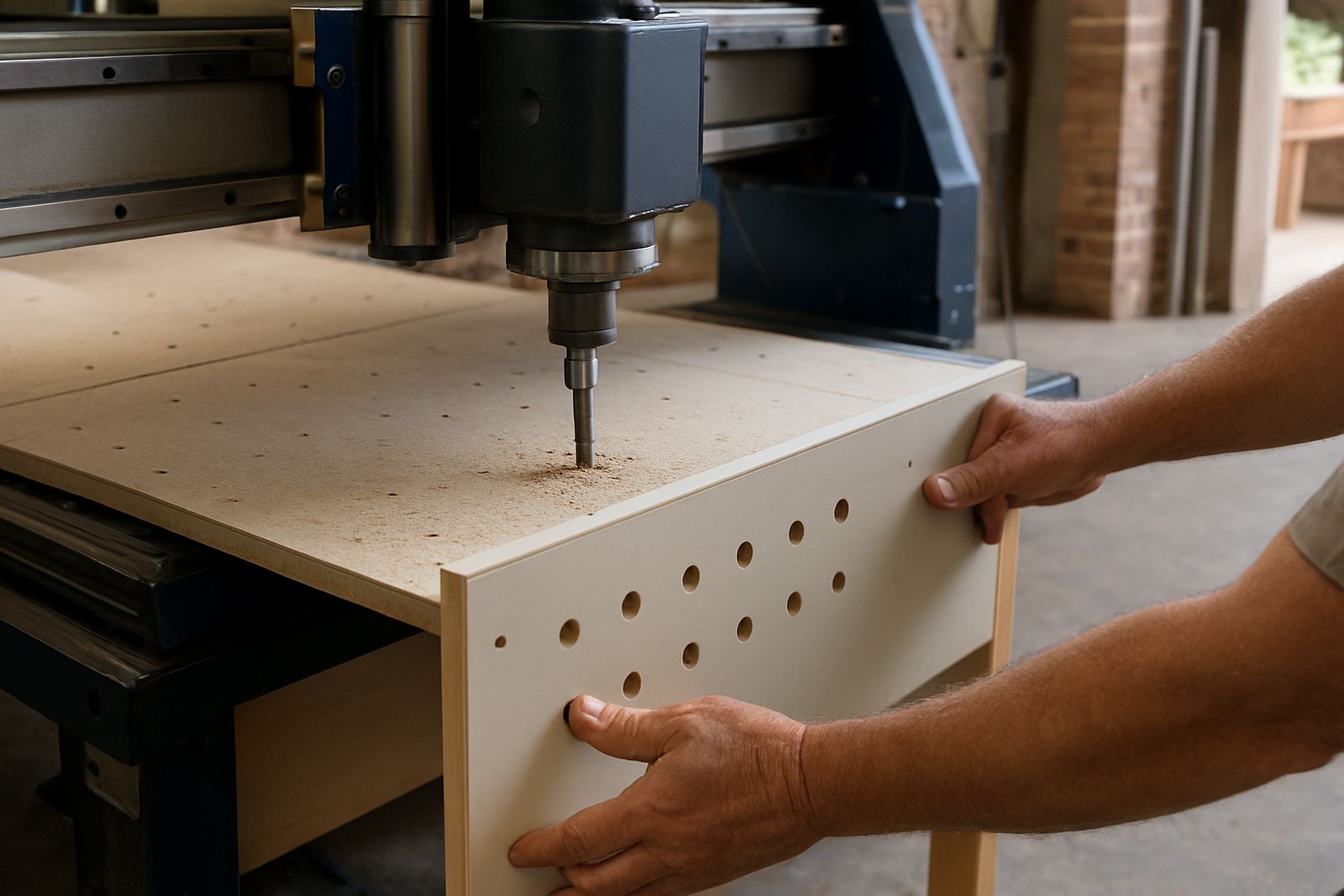
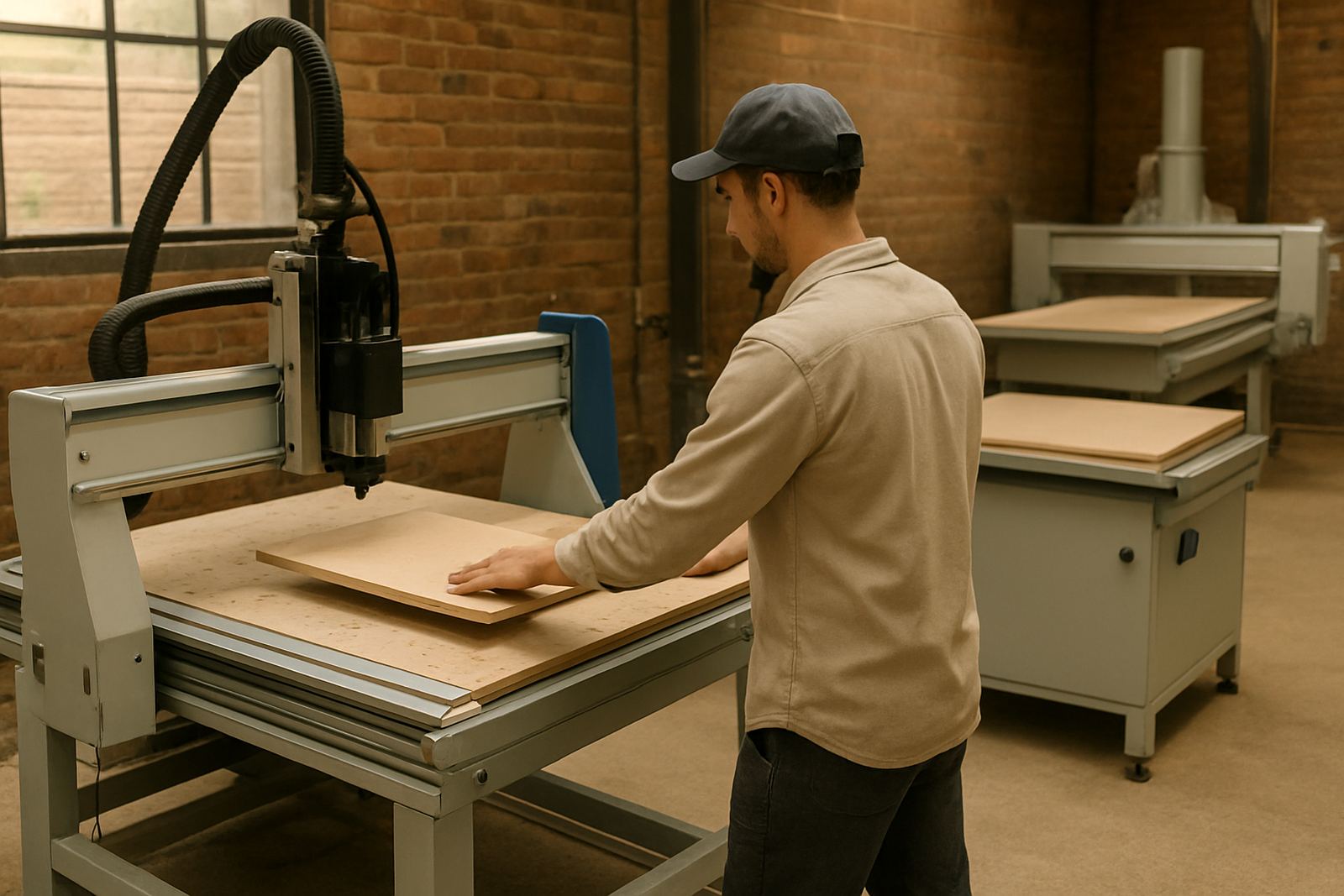
Drilling is where cabinet flow either stays organised or starts to drift. If hinge cups, shelf pins and dowel holes are all handled in different places, the team spends too much time moving parts between stations. A router table with sensible drilling routines can keep those tasks in one sequence, provided the file is set up for the actual assembly method being used.
For local shops, it also helps to think about service access and spare tooling. Dust conditions, power interruptions and long running hours can all affect drilling accuracy if maintenance is ignored. A machine that is commissioning properly, with the vacuum checked and the controller backed up, will keep its settings better from week to week. That is practical help when load shedding interrupts the day and the team needs to restart without guessing where the job left off.
Good drilling habits also make later assembly easier. If every carcass side comes off the machine with the same references, the assembly crew does not have to read tea leaves with a tape measure and marker pen. Small differences become obvious early and the parts can be sorted before they reach packing.
Label every part before it leaves the table
Labelling is often treated as a finishing step, but in a cabinet shop it belongs right in the workflow. A label should tell the assembler what the part is, which cabinet it belongs to, and which edge or face is the reference. If labels are missing or hard to read, people waste time checking drawings and swapping parts around. That is slow, and it creates avoidable mistakes.
In workshops with several installers and fitters, clear labels also help when jobs are split between sites. A kitchen going to Sandton in the morning and an office fit-out heading to Pretoria East later the same day needs parts that can be identified quickly on the truck and again on site. If the label format is consistent, the work moves cleanly from machine to van to installation without extra sorting.
- Use one label style across all cabinet ranges
- Include cabinet code, part name and quantity
- Mark special grain or face side directions
- Keep labels protected from dust and handling
Dust, vacuum and tool condition decide the real output
Many cabinet shops focus on cutting speed and ignore the support systems that keep it all accurate. Dust extraction, vacuum hold-down and tooling condition have a direct effect on output. If the table leaks air, sheets can creep. If tools are dull, edges chip and drill holes lose their clean finish. If dust is not cleared, operators start stopping the machine to clean by hand.
This is where practical maintenance pays back. Vacuum leak checks, dust system balancing and regular spindle service help the workshop keep a consistent rhythm. In Johannesburg East and Midrand, where many cabinet teams run full days with little spare time, a short weekly check can prevent a long shutdown later. On the coast, it is even more important to watch humidity and keep material and tooling stored properly so the cut stays true.
Tooling setup should match the actual board stock in use. A shop cutting laminated board, melamine and softwood components will not always run the same setup for each job. The operator needs clear notes on feeds, speeds and cutter choice so the machine stays predictable, not guesswork based on memory.
Relocation and training matter when the shop grows
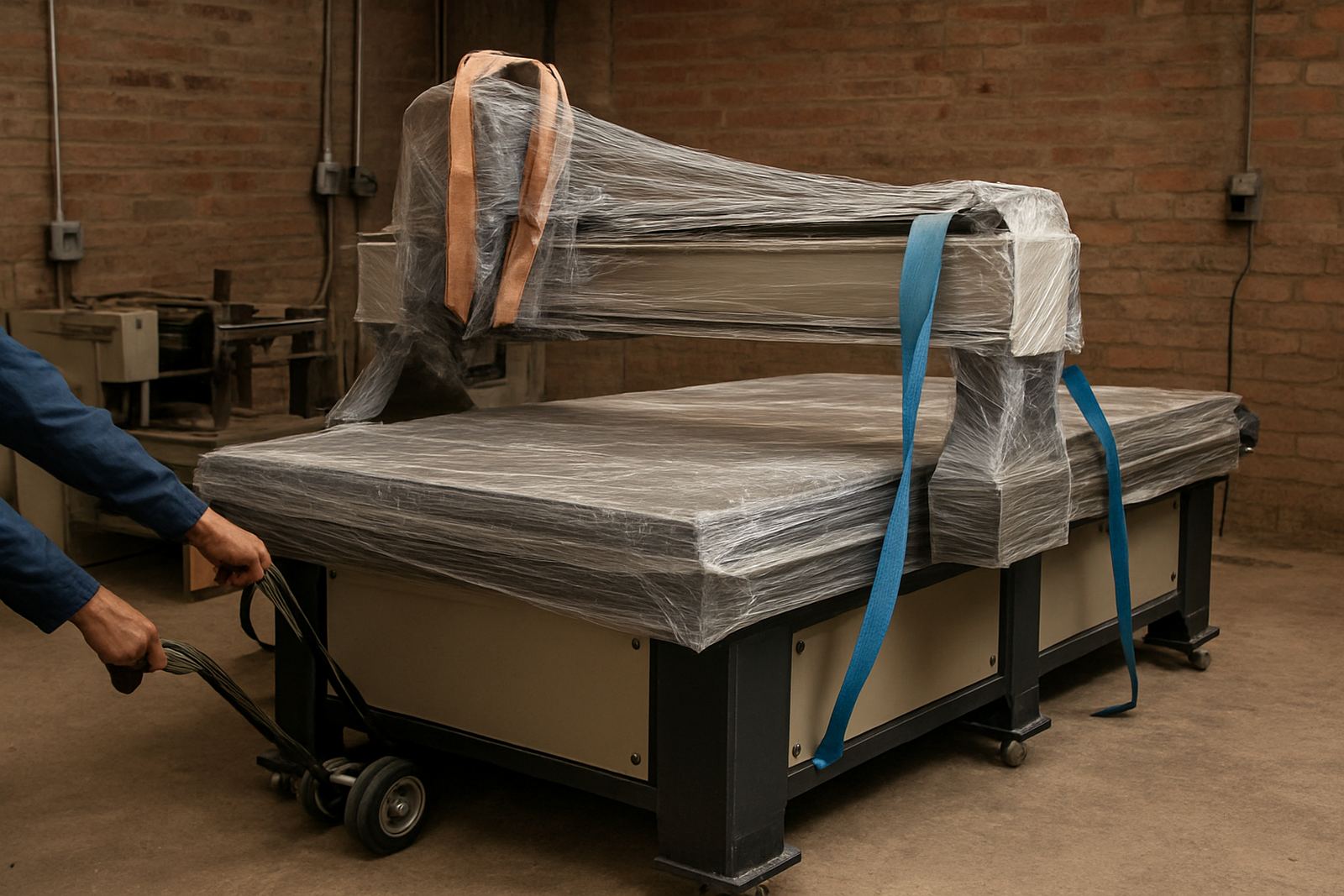
As cabinet production grows, the machine often has to move with the business. A relocation is not just lifting a router and plugging it in somewhere else. The table needs to be level, the dust line needs checking, the controller backup must be safe, and the team should know the start-up routine before the first sheet goes on. Without that, a move can cost a week of production.
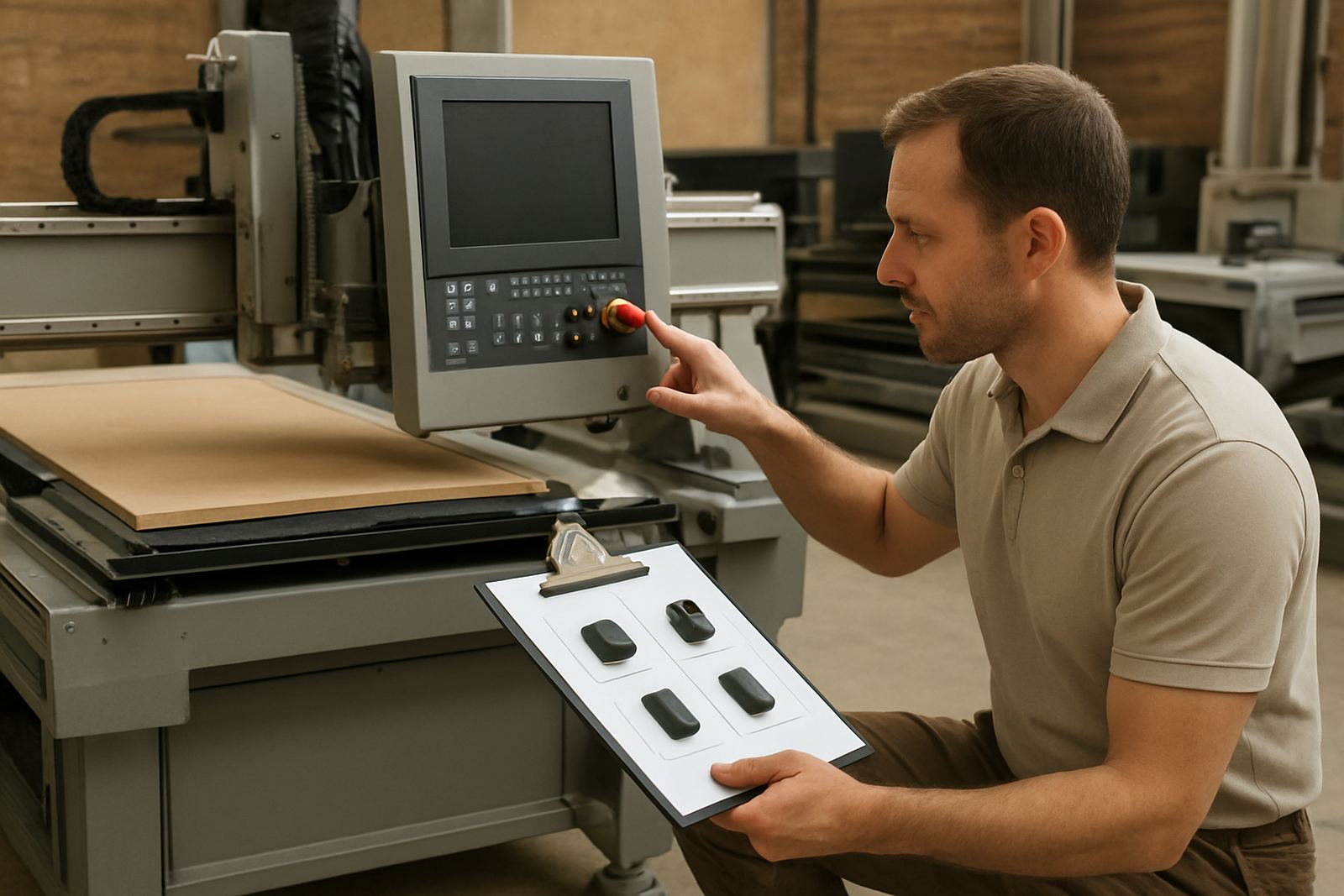
Training is part of the same story. Operators should know how to check the vacuum, confirm the file, load the correct tool and pause for a fault without losing the job. When those habits are in place, the machine becomes easier to trust and the workshop keeps a steadier pace. Marius Johannes van der Merwe and the Germiston team work with this kind of day-to-day reality across South Africa, from small joinery teams to production cell setups that need a practical sequence, not fancy talk.
For a cabinet shop, the best workflow is the one that keeps each sheet moving with purpose. Nest it well, drill it once, label it clearly, and support the machine so the process stays honest from first cut to final pack.
What a practical cabinet workflow should include
Before a job starts, the shop should know who is checking the file, who is loading the sheet, and who signs off the parts. That keeps the sequence tight and makes handover easier between sales, production and install. It also helps when the same shop handles kitchens, wardrobes and office storage, because each range may need slightly different drilling and edge rules.
- Confirmed drawing and cut list before production starts
- Sheet material checked for size, finish and moisture issues
- Defined nesting order, drilling pattern and label format
- Vacuum, dust extraction and tooling checked before the run
- Parts sorted for assembly, packing and delivery in order
When these steps are followed, the cabinet shop spends less time correcting, and more time building. That is the point of a good workflow: fewer surprises, better throughput, and parts that arrive at assembly in the same order they left the table.