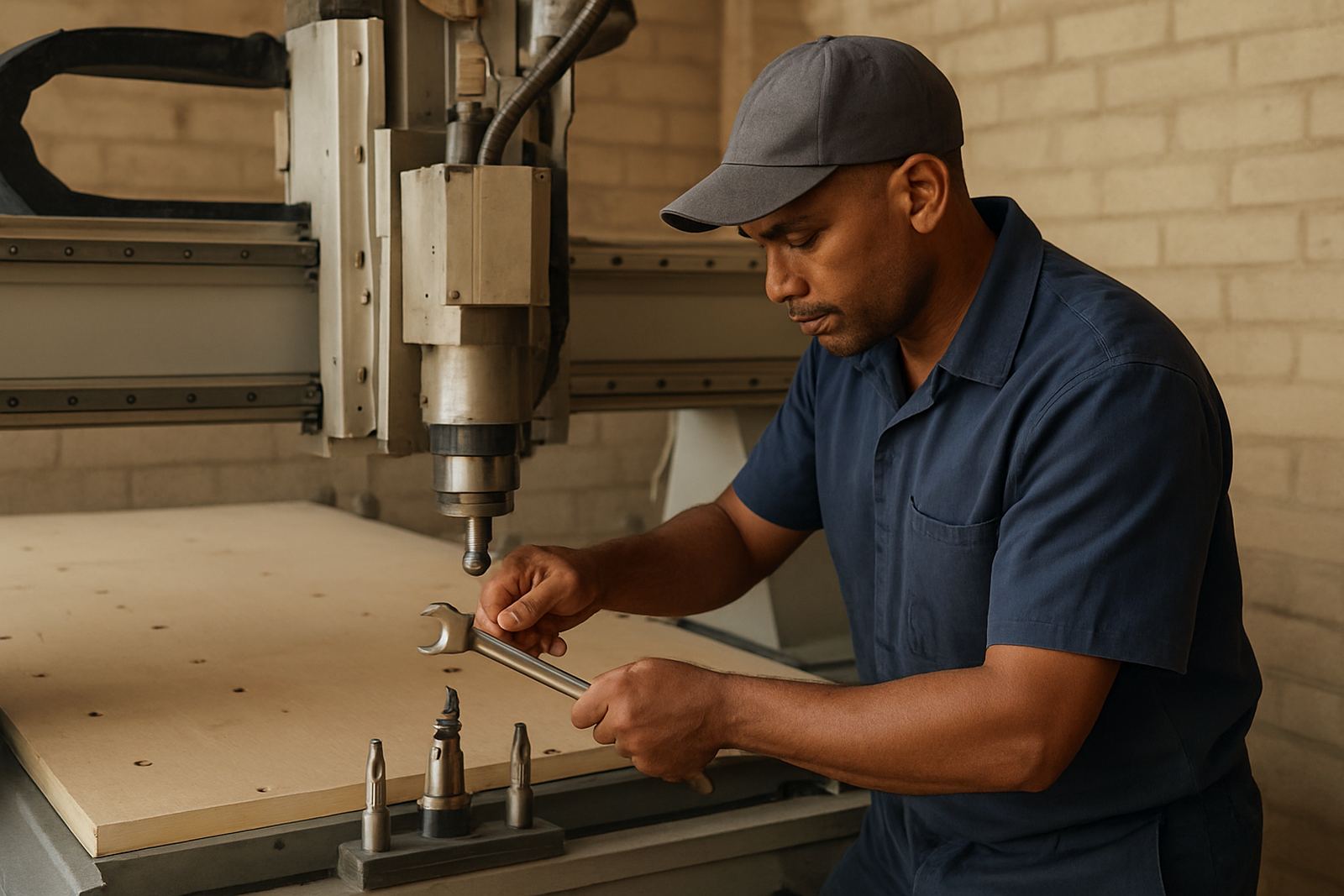
Why a fixed toolchange sequence saves time
Manual toolchange sounds simple until the machine is busy, the next job is waiting, and someone swaps the bit in the wrong collet or forgets to reset tool height. That is when scrap starts, because the router may still be using the old offset while the new cutter is already in the spindle.
A fixed routine removes guesswork. The operator knows what to check first, what to tighten, what to measure and what to record before pressing start. It also helps when several people share one machine across a shift, since the same steps produce the same result every time.
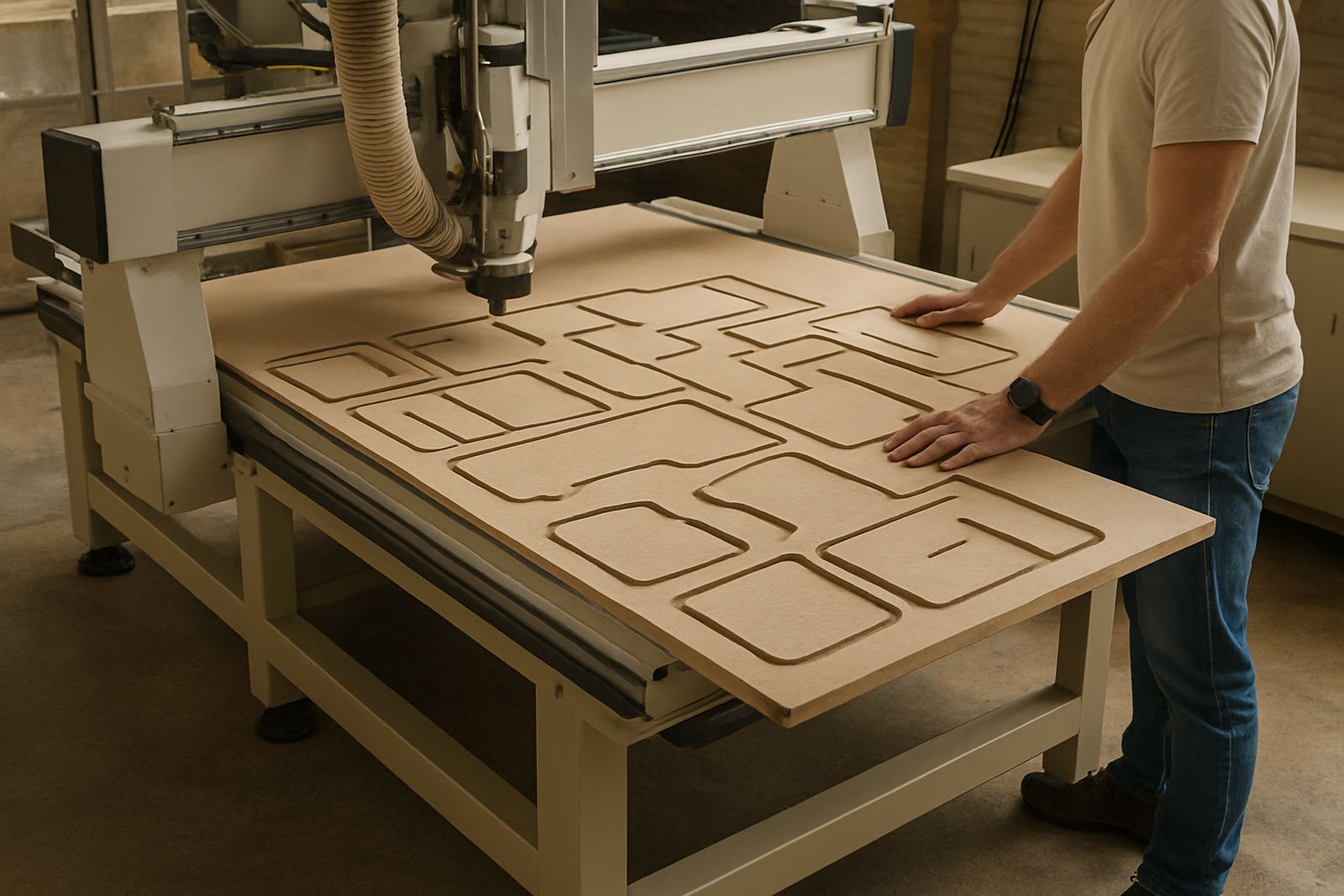
For furniture makers, sign shops and plastics cutters, consistency is usually worth more than speed. A calm 3 minute change can prevent a 30 minute re-cut, especially on nested sheets where one bad tool height can affect a whole panel.
Set the machine up for repeatable changes
Good toolchange practice starts before the cutter comes out. Keep the collets clean, store cutters by diameter, and make sure the spindle taper or chuck area is free of dust and resin. In many workshops around Germiston and Johannesburg East, fine MDF dust gets into every gap if extraction is left weak or the table is not cleaned each day.
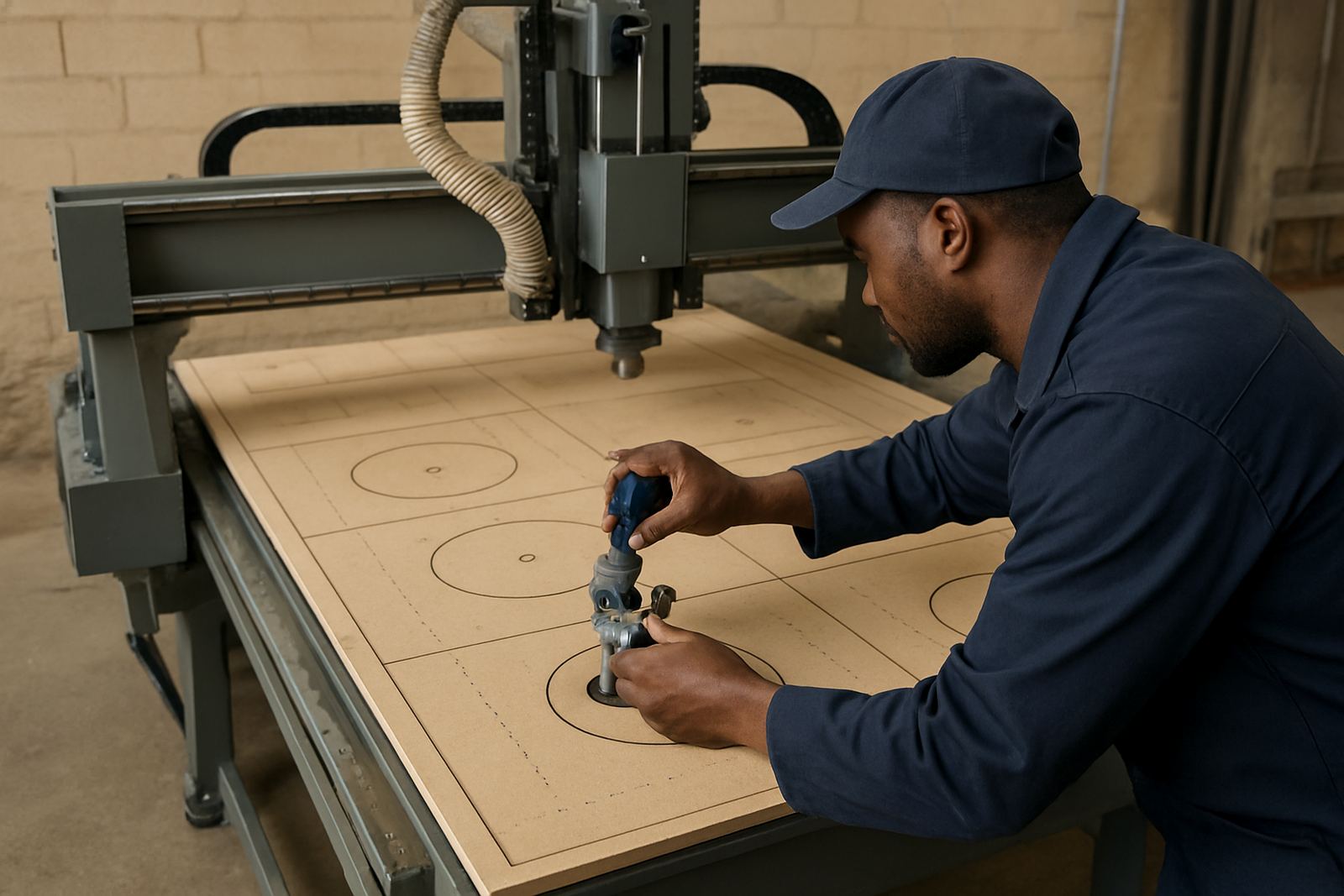
The operator should always use the correct spanner, the right collet size and a clean reference face for setting tool length. If a machine uses a manual gauge block or touch plate, keep that item in one marked place near the router so it is not borrowed for other work and left somewhere else.
- Label every cutter by diameter and intended material
- Keep one clean setting block or touch plate for length checks
- Check the collet for wear, nicks and dust before fitting a new bit
- Store the most used tools near the machine, not mixed with drills and spares
Use a step by step change routine every time
The routine should be short enough that people will actually follow it. The aim is not paperwork, it is control. Stop the spindle, isolate motion if your machine procedure calls for it, and wait until all moving parts are fully at rest. Then remove the tool carefully, clean the holder, fit the new cutter and tighten it to the same level each time.
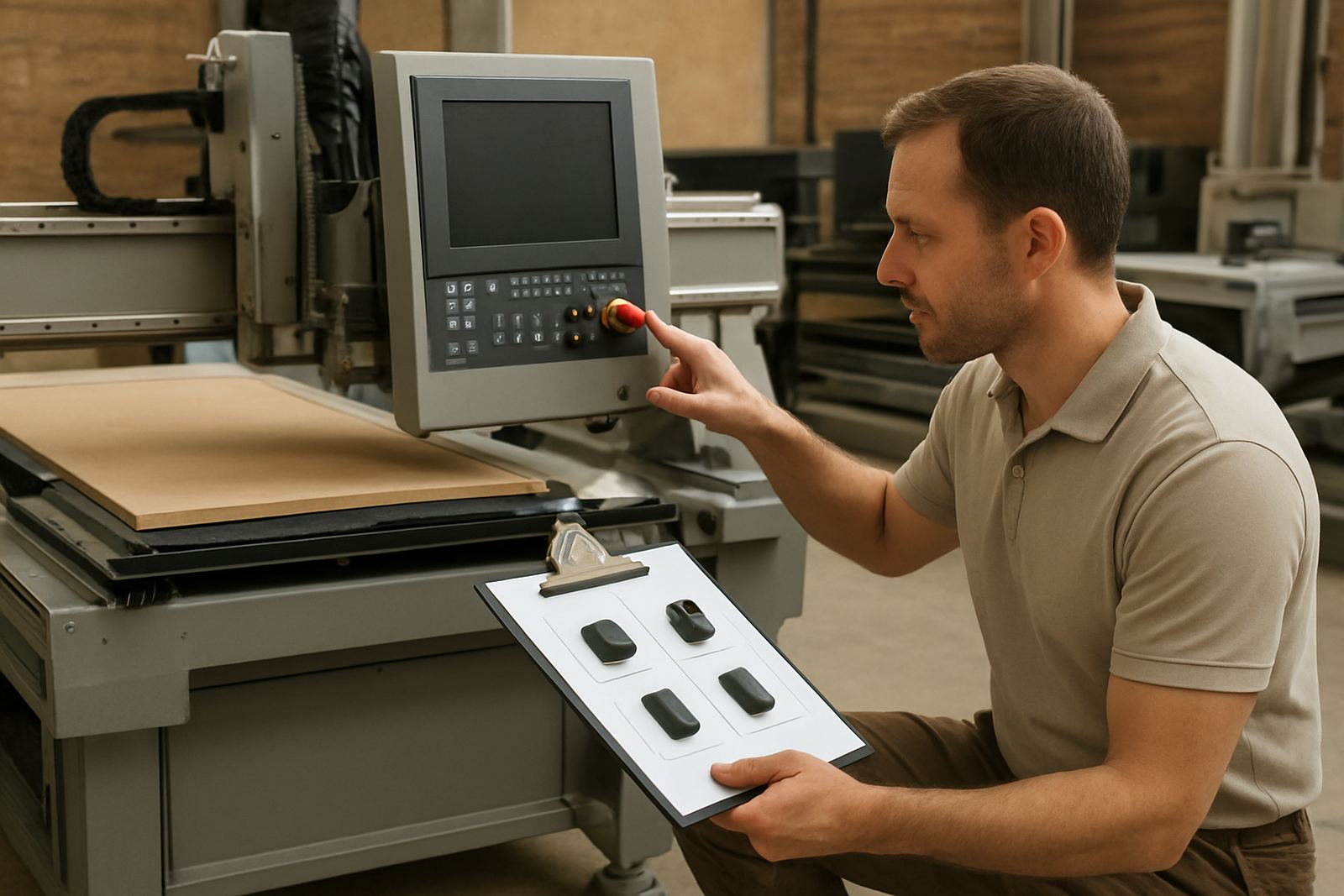
After that, set or verify the tool length, check the job file and confirm the correct tool number before restarting. If a router uses manual commands on the controller, the operator must know the exact sequence for loading a new offset or confirming the active tool. One missed confirmation can put the cutter too deep into material or leave tabs uncut.
- Stop and secure the machine before touching the cutter
- Clean the holder and the tool shank before fitting the new bit
- Use the same tightening method every time
- Verify tool length, offset and job file before restarting
Match the cutter to the material and cut plan
Manual changes go better when the workshop plans the cut list properly. A straight bit for MDF is not the same as an engraving cutter for acrylic, and a compression cutter for board wants a different feed approach again. If the operator is told only to fit whatever is nearest, the machine will spend the day making up for poor planning.
Tool choice should be written into the job sheet in plain language. Include diameter, flute type, cutting depth and whether the cutter is for roughing or finishing. That helps with repetitive work such as cabinet parts, display panels and plastic lettering, where the same jobs return week after week but still need proper setup.
On softer metals, chip load and cutter condition matter even more. Dull tooling can heat the work, leave a poor edge and cause chatter that shows up after sanding. A clean toolchange routine is part of the cut quality, not just workshop housekeeping.
Common mistakes to watch for in busy workshops
The biggest errors are usually small ones. A cutter is fitted the wrong way round, the collet is not seated fully, the setting block is left on another bench, or the operator assumes the last offset is still correct. In a rush, those are easy mistakes to make and they are expensive to fix.
Another issue is skipping the check after a power interruption. In areas where load-shedding or voltage dips still interrupt work, a controller backup and a quick restart check are useful, but the toolchange routine still needs to be repeated if there is any doubt. Better to spend a minute confirming the setup than lose a sheet of material.
- Do not reuse a dirty collet for a new cutter
- Do not assume the previous tool length is still valid
- Do not restart after an interruption without checking the file and offsets
- Do not mix worn cutters with fresh ones in the same tray
A Germiston example from a small production run
At a small Germiston workshop cutting cabinet parts and acrylic panels, the team was losing time because two operators used different habits for manual changes. One would set the tool and note it on paper, another would trust memory, and the result was inconsistent part depth on the same router. After the routine was written out in simple steps and pinned near the machine, tool-related mistakes dropped quickly.
The change that made the biggest difference was not a new machine. It was the decision to standardise who checks the cutter, who verifies the offset and where the setting tool lives. With dust extraction balanced and the table kept clear, the changeover became predictable even on long days when the order book was full and the workshop was under pressure.
That sort of discipline matters whether the machine is running in Germiston, Midrand, Pretoria East or along the coast where humidity affects tooling and storage. A clean routine protects the cutter, the material and the operator’s time.
Train people on the routine, not just the machine
Manual toolchange should be part of operator training from day one. New staff need more than a quick demo. They need to see the complete sequence, repeat it under supervision and understand why each step matters. Once they know the reason behind the routine, they are much less likely to skip it when the workshop gets busy.
Keep the training short and practical. Use the actual cutters, the actual controller and the actual jobs the team runs every week. A printed checklist by the machine is useful, but only if it matches what the operators really do. For shops with multiple shifts, the checklist should be the same for everyone.
When the routine is clear, manual toolchange stops being a source of anxiety and becomes part of normal production. That is where simpler routers work best: fewer surprises, cleaner handovers and more predictable output.