
What our preventive maintenance covers
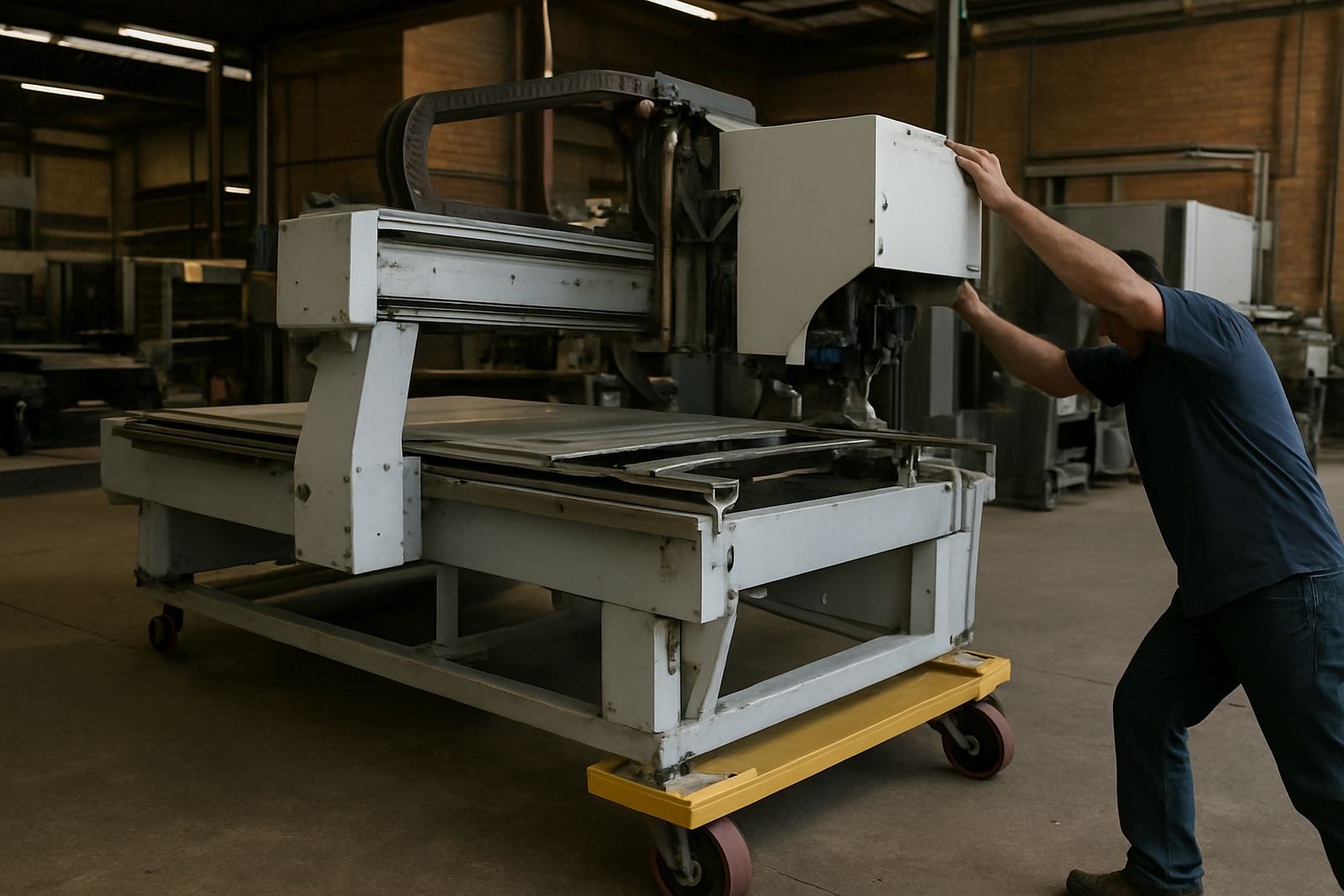
Preventive maintenance is a scheduled service for CNC routers and related workshop systems, aimed at catching wear before it turns into downtime. For wood, plastic and soft metal cutting, we check the machine as a whole, not just one part, so the table, motion system, spindle, vacuum and control cabinet all get attention.
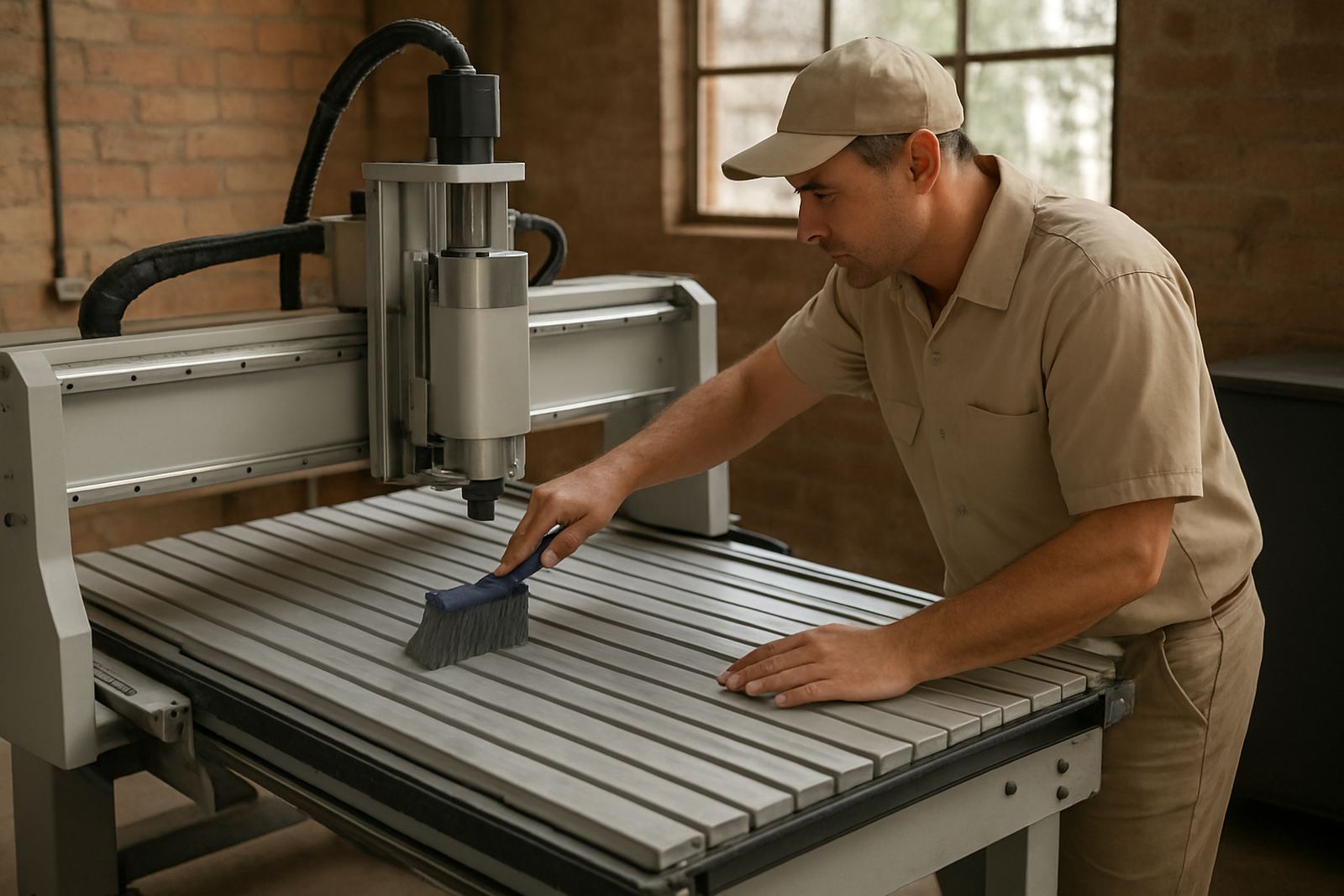
Typical maintenance work includes cleaning critical areas, checking lubrication points, inspecting belts, couplings and linear components, and reviewing vacuum performance. We also look at dust extraction connections and cable condition, because fine dust and vibration are common causes of nuisance faults in South African shops.
- Linear rails, bearings and drive components inspected for play and noise
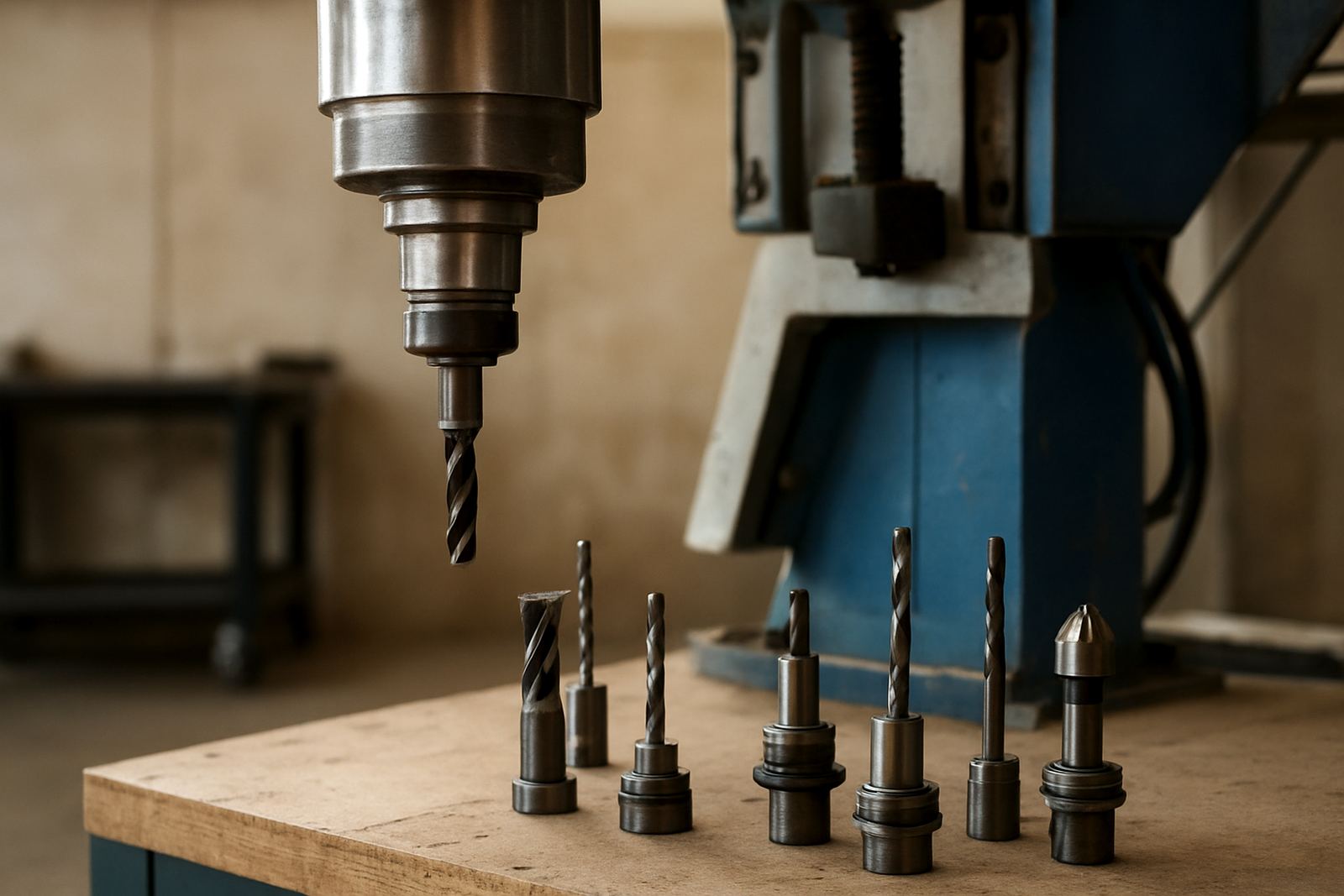
- Spindle run condition checked, including vibration and bearing signs
- Vacuum table and hose lines checked for leaks and poor holding
- Controller settings and machine home positions verified
- Dust extraction connections checked for blockages and air loss
How the service is carried out
We start with a machine history discussion, then inspect the current condition against how the machine is actually used. A router running two shifts in Johannesburg East will need a different plan from a light-use sign shop in Pretoria East, so we always work from usage, not guesswork. That keeps the maintenance practical and cost aware.
Our team can also back up controller files before any work is done, which is useful if a setting drifts or a parameter needs to be restored later. Where needed, we clean and reset limit switches, check cable routing and confirm that the dust system is not pulling against the table performance.
- Pre-service review and fault history discussion
- On-site inspection and cleaning of service points
- Measurements, backups and functional checks
- Minor adjustments completed during the visit where possible
- Service notes handed over with action items and next interval guidance
Recommended maintenance intervals
Most workshops benefit from a monthly visual check, a quarterly service for medium duty use, and a more detailed six-monthly or annual visit depending on hours run. High dust environments, coastal humidity near Durban North, and long operating days can shorten those intervals. If a machine is used for MDF nesting, heavy routing or long toolpaths, wear can build quickly and should not be ignored.
As a simple guide, light-use machines may need attention every 6 months, while production routers often need scheduled checks every 3 months. If the spindle is running hot, cuts are drifting, or the vacuum hold is getting patchy, it is better to service early than wait for a stoppage.
- Light use: 6 monthly maintenance
- Medium use: 3 monthly maintenance
- Production use: monthly checks plus quarterly service
- Coastal or dusty sites: shorter intervals may apply
Turnaround for local workshops
In Germiston and the greater Johannesburg area, we aim to book maintenance visits quickly, especially when a machine is still running but starting to show wear. Straightforward visits are often completed in one day. Larger machines, production cells or fault-finding jobs may need longer if parts, vacuum testing or calibration checks are involved.
For sites outside Gauteng, timing depends on route planning and the amount of work required on site. We keep the process direct and practical so teams can plan around production. Where a workshop is preparing for a busy period, we can schedule the service ahead of time to reduce the risk of a Friday afternoon surprise, which every shop wants to avoid.
Pricing approach and what affects the quote
Preventive maintenance is quoted according to machine size, number of axes, level of contamination, travel distance and any extra checks required, such as spindle service or vacuum leak testing. A small entry router in a clean sign shop will not be priced the same as a production bed with multiple vacuum zones and tool changes.
We prefer transparent pricing with clear scope. If we find a worn part, damaged hose or control issue during the visit, we explain the options before any extra work goes ahead. That way you know what is urgent, what can wait, and what the cost impact is.
- Machine size and table type
- Single axis, 3 axis or multi-axis setup
- Vacuum table complexity and dust extraction layout
- Travel distance from Germiston base or branch area
- Any extra labour for calibration, backups or minor repairs
Why planned maintenance matters for CNC cutting
When a router is maintained regularly, it cuts more predictably, holds tolerance better and places less strain on the operator. That matters when you are nesting sheets for furniture, cutting signage blanks or working to client dimensions where a small drift can create waste. Preventive maintenance is not only about avoiding breakdowns, it also helps the machine stay easier to use day after day.
It is also good practice for workshops that rely on backup power or work through load-shedding. Voltage dips and repeated start-stop cycles can affect controls and motors over time, so keeping the machine checked reduces the risk of surprise faults. If your team wants fewer stoppages and cleaner output, scheduled maintenance is one of the simplest ways to keep control.
Key facts
| Service focus | Preventive maintenance for CNC routers and workshop systems |
|---|---|
| Machine types | Entry routers, production routers, vacuum tables and related controls |
| Typical interval | Monthly checks, quarterly service, or 6 monthly depending on use |
| Visit area | Germiston, Johannesburg East, Midrand, Pretoria East, Durban North and Cape Town North |
| Turnaround | Often same day for standard on-site maintenance within Gauteng |
| Key checks | Spindle condition, vacuum leaks, motion wear, controller backups and dust system balancing |