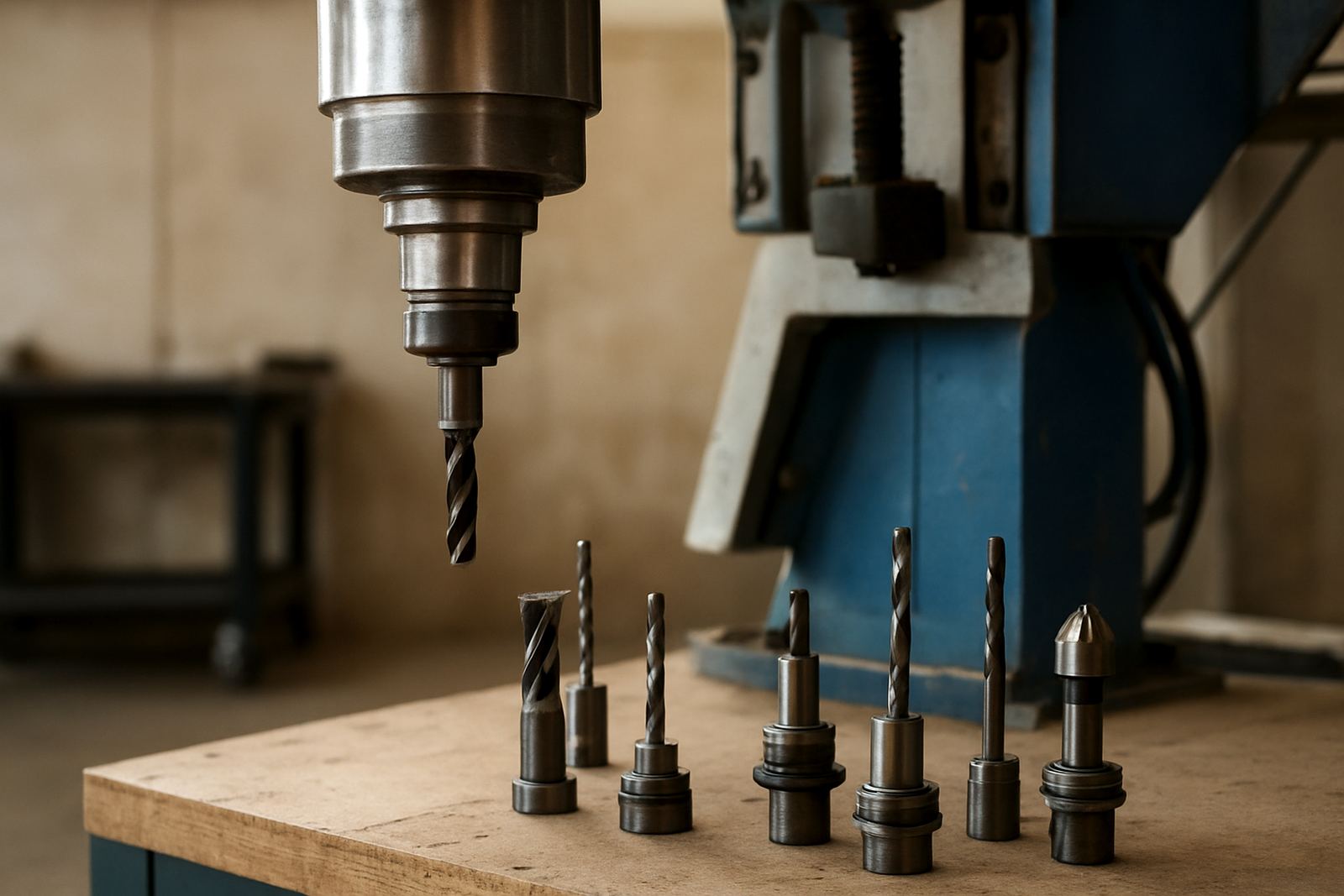
What our spindle service covers
Our spindle service is built for workshops that cut daily and cannot afford mystery faults. We inspect noise, heat rise, runout, toolholding condition and general running stability, then compare the results against the machine's normal behaviour. That gives a clear picture of whether the spindle is still fit for production, needs bearing work or is being affected by dust, poor cooling or incorrect tooling.
The service suits wood, acrylic, PVC and light aluminium work. On South African shopfloors, the common problems are dust ingress, heat from long shifts, blocked cooling paths and worn collets from over-tightening. We look for those signs and advise on the next step before a small issue turns into a costly stop.
- Noise and vibration check during idle and cutting load
- Heat check after warm-up and sustained running
- Toolholding and collet condition inspection
- Spindle body, mount and cable inspection
- Practical report with service recommendation
How we assess spindle condition
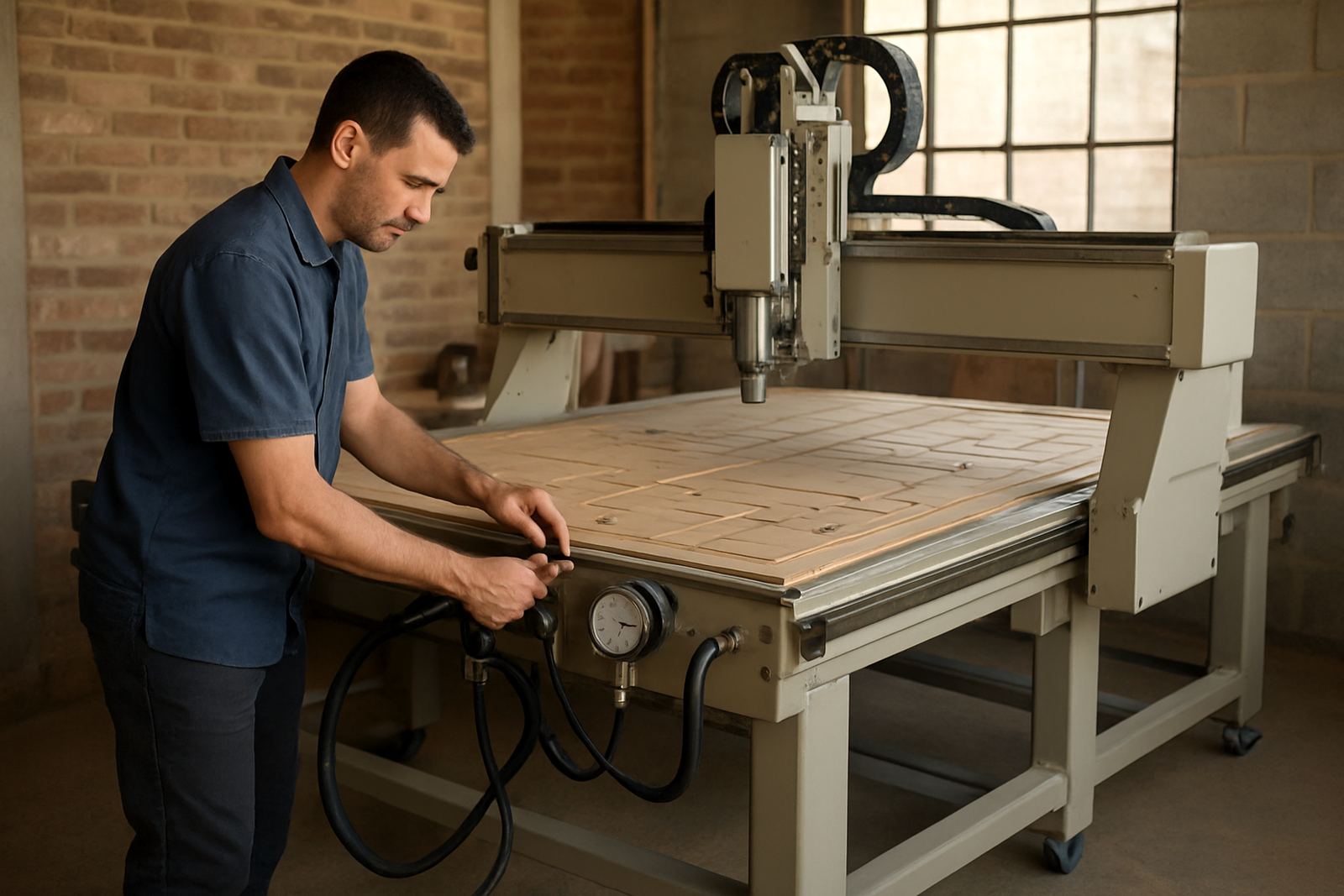
Each spindle is checked in a practical sequence so faults are not missed. We start with a visual inspection, then listen for bearing roughness, air leaks, cooling issues and signs of contamination. Next we test runout and verify whether the spindle holds tools true at working speed. If the machine is in a dusty Germiston, Midrand or Cape Town workshop, we pay close attention to seals and intake paths because fine particles travel far.
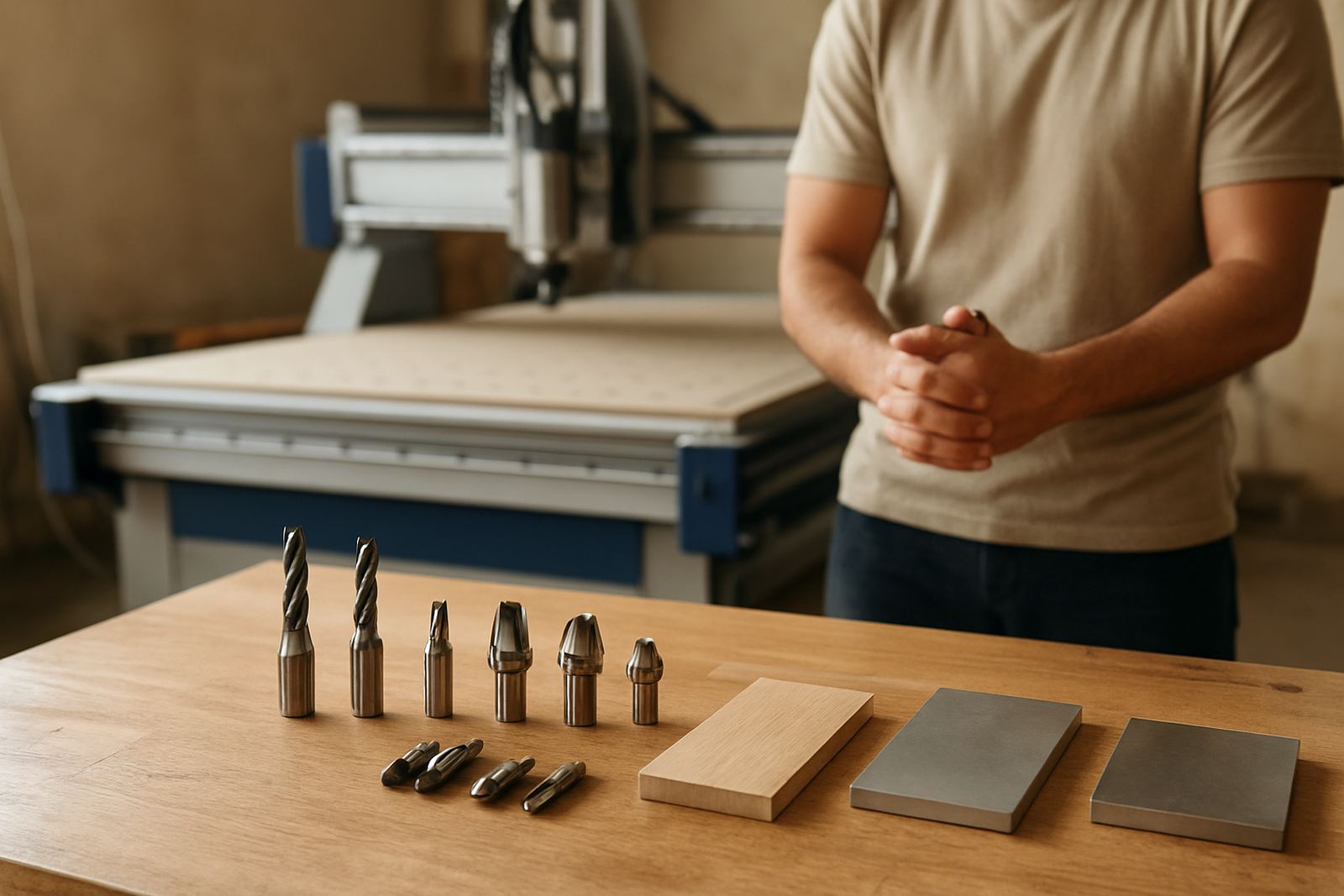
We also look at the tool interface. Poor toolholding can mimic a bad spindle, so we check collets, nuts, taper surfaces and clamping condition before recommending major work. If the spindle passes those tests but still runs hot or noisy, the issue is usually deeper and needs a proper rebuild or replacement plan.
- Visual inspection of seals, housing and mountings
- Runout measurement where practical
- Bearing noise and temperature behaviour
- Tool interface and clamping checks
Service process from collection to return
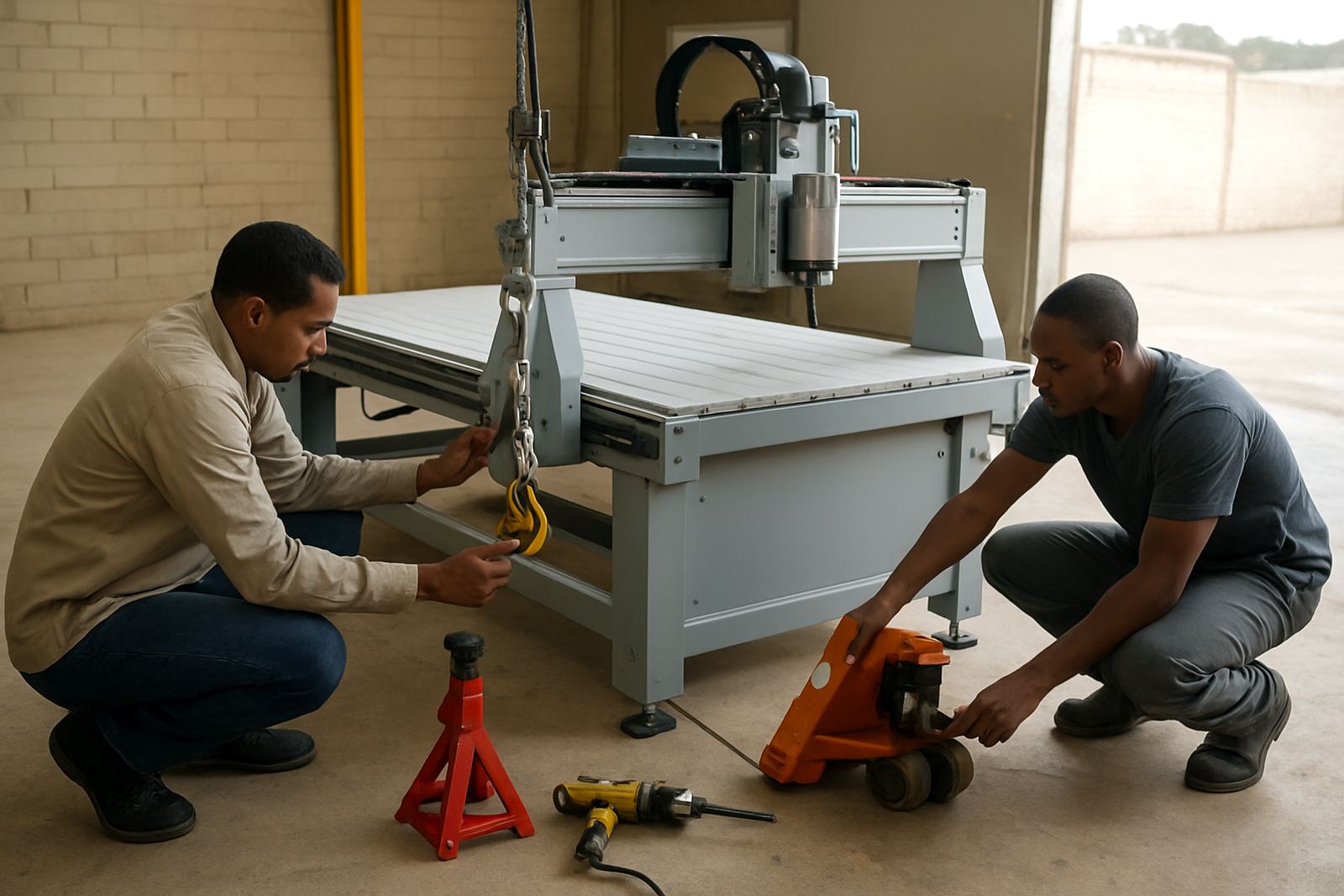
For local customers we can coordinate spindle removal, collection and refit as part of a machine visit, or work with a spindle delivered to our Germiston base. Once received, the unit is logged, tested and opened only when the external checks point to internal wear. This keeps downtime controlled and avoids unnecessary strip down work.
If repairs are approved, the spindle is serviced, reassembled and tested before return. We then confirm the mounting, cooling and tool setup on the machine so the repaired spindle does not go back into a problem installation. That matters where power interruptions and load shedding have affected previous settings, because repeated abrupt stops can loosen marginal parts.
- Initial fault assessment and intake logging
- Strip down only after condition review
- Repair, reassembly and bench testing
- Refit guidance and machine side verification
Turnaround times and what affects them
Turnaround depends on the spindle type, bearing condition and whether parts are available. Simple inspection work can often be turned around quickly, while a spindle that needs bearings, seals or detailed fault tracing may take longer. We give a practical lead time once the unit has been assessed, rather than guessing on the first call.
For busy production teams, the main factor is planning. If the machine runs a single shift, we can often schedule the work around a planned stoppage. If it is a two or three shift operation, we advise on backup machines, tool changes and safe restart checks so the workshop can keep moving.
Pricing approach for spindle work
We price spindle service according to the condition of the unit and the work required. A basic inspection is different from a full strip, bearing replacement and test run, so we quote after first seeing the spindle and confirming the fault path. That keeps the numbers practical and avoids billing for work that is not needed.
Customers from Pretoria East to Durban North often ask for a budget range upfront. We can give an estimate based on machine size, spindle rating and symptoms, then confirm the final amount after assessment. Where the machine is still under pressure from dust, poor extraction or incorrect tooling, we will say so clearly because otherwise the same failure returns after the repair.
Maintenance intervals that save money
Most spindles last longer when the workshop follows a set inspection rhythm. For light use, a visual check and toolholding review every three months is sensible. For daily production, a monthly check of noise, heat and clamps is better, especially in humid coastal conditions or in dusty inland workshops where filters clog fast.
We also recommend checking after any crash, severe power interruption or extended idle period. A spindle that sat through a long wet season, or one that has been run with poor dust extraction, should not be assumed healthy just because it still turns. Small changes in sound and temperature are early warnings.
- Light use: inspect every 3 months
- Daily production: inspect every month
- After crash or power event: inspect immediately
- After long storage: verify before production restart
Key facts
| Service scope | Noise, heat, runout, toolholding and stability checks |
|---|---|
| Machine types | CNC router spindles for wood, plastics and light aluminium |
| Typical workshop base | Germiston with service support across South Africa |
| Inspection focus | Bearings, seals, cooling, mountings and collets |
| Turnaround | Depends on fault, parts and approval after assessment |
| Support options | Removal, collection, refit guidance and operator advice |